Cooked Pasta VS Bread With Peanut Butter
A detailed nutritional comparison
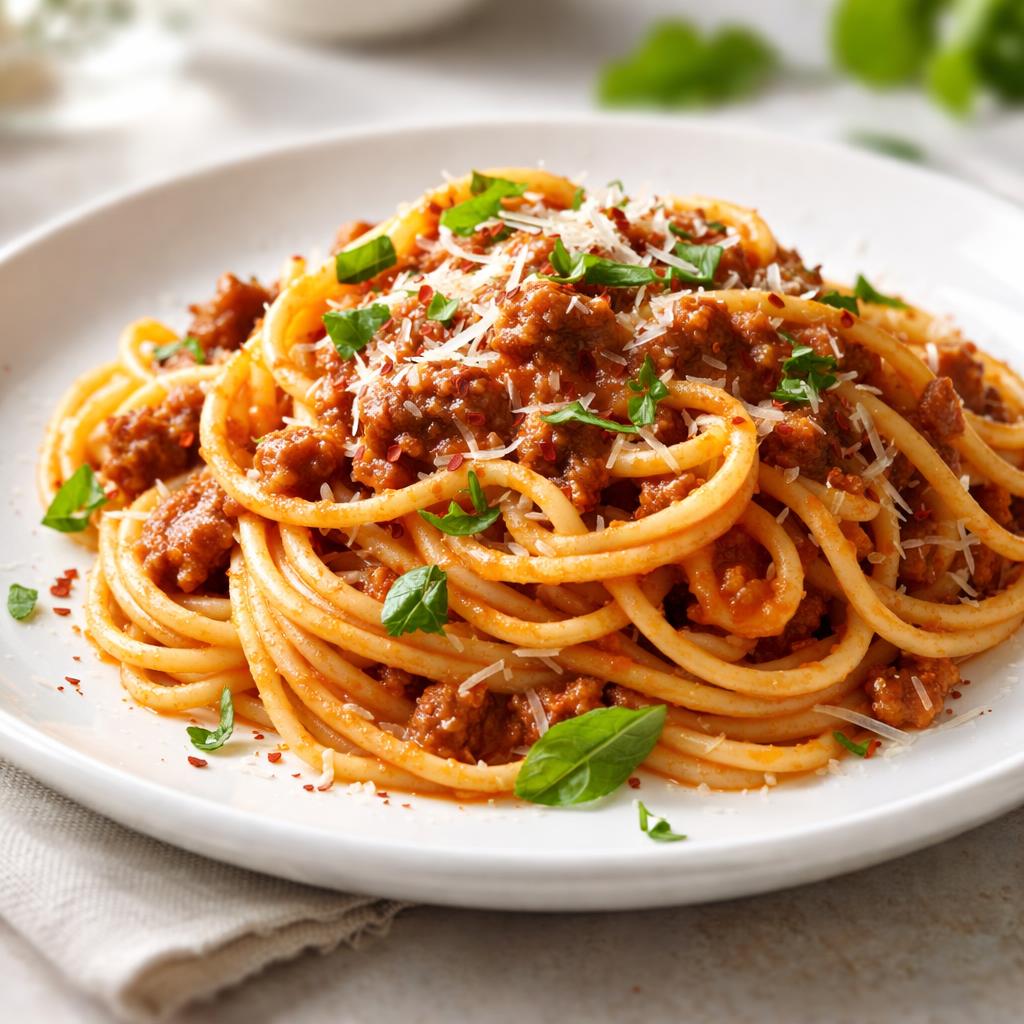
Cooked Pasta
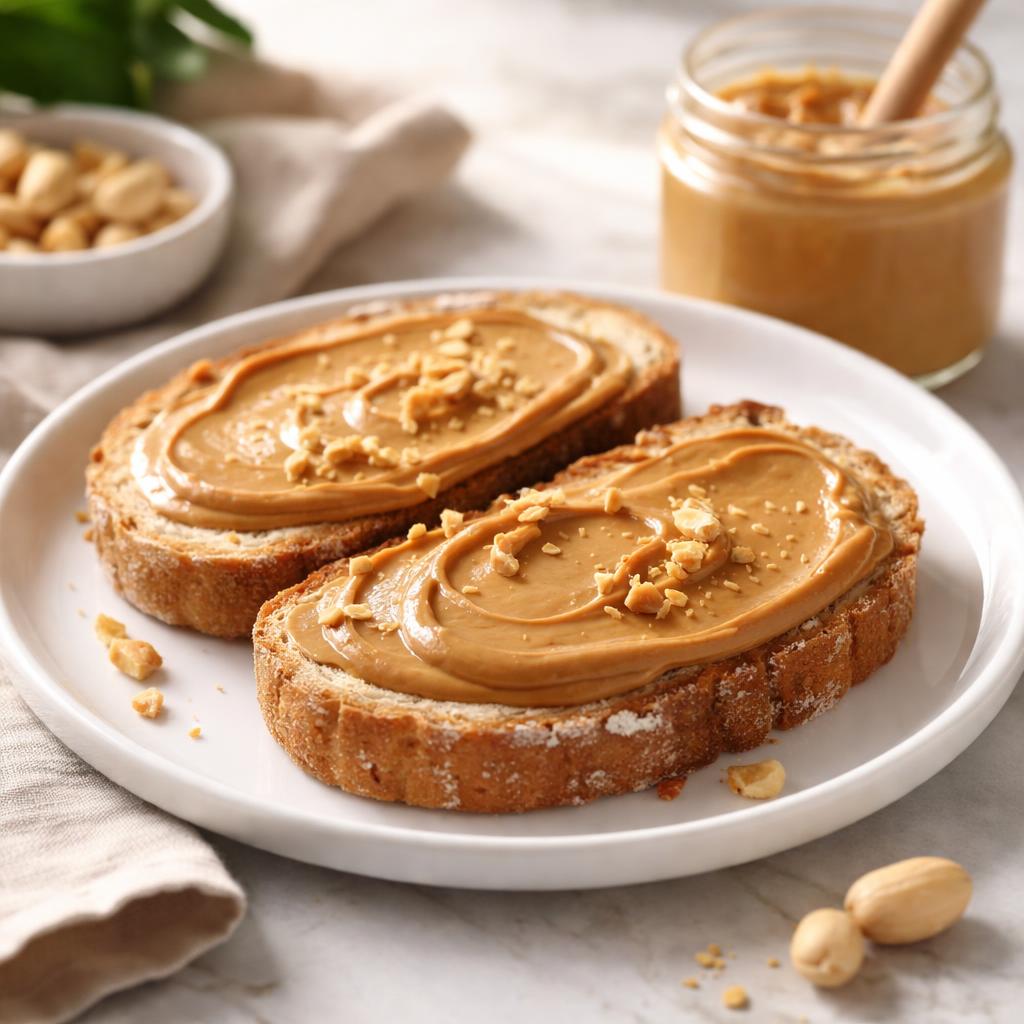
Bread With Peanut Butter
🎯 Quick Verdict
Bread with peanut butter takes the lead in protein and fiber content, making it more nourishing for muscle support and digestion. Cooked pasta has fewer calories and is a great energy source. Each food is suited for different dietary goals: pasta for those needing quick carbohydrates and bread with peanut butter for sustained nutrition and satiety.

Smart Nutrition Tracking with SnapCalorie

📊 Nutritional Comparison
Macronutrients
| Nutrient | Food 1 | Food 2 | Winner |
|---|---|---|---|
| Calories | 200 | 250 | ✓ |
| Protein | 7g | 12g | ✓ |
| Carbs | 40g | 25g | ✓ |
| Fat | 1g | 15g | ✓ |
| Fiber | 2g | 4g | ✓ |
Vitamins & Minerals
| Nutrient | Food 1 | Food 2 | Winner |
|---|---|---|---|
| Vitamin C | 0mg | 0mg | − |
| Vitamin E | 0mg | 2mg | ✓ |
| Calcium | 10mg | 20mg | ✓ |
| Iron | 1.5mg | 2mg | ✓ |
🏆 Category Winners
Protein
Bread with peanut butter delivers 71% more protein per serving.
Fiber
Food2 has twice the fiber of cooked pasta, enhancing digestion.
Calories
Cooked pasta contains 20% fewer calories, suitable for lighter meals.
Vitamins
Bread with peanut butter has higher amounts of Vitamin E, Calcium, and Iron.
🥗 Diet Compatibility
Keto
Food 1: Not Compatible
Food 2: Not Compatible
Both are high in carbohydrates, exceeding typical keto restrictions.
Vegan
Food 1: Compatible
Food 2: Compatible if plant-based peanut butter is used.
Both foods can be vegan depending on preparation.
Gluten Free
Food 1: Not Compatible
Food 2: Not Compatible unless gluten-free bread is used.
Regular pasta and bread contain gluten.
Paleo
Food 1: Not Compatible
Food 2: Not Compatible
Grain-based foods like pasta and bread are excluded from paleo diets.
Low-Carb
Food 1: Not Compatible
Food 2: Partially Compatible
Food2 has moderate carbs but less than pasta, making it better for lower-carb diets.
💪 Health Benefits Comparison
Food 1 Benefits
- Provides quick energy from carbohydrates
- Low in fat, suitable for heart-conscious diets
- Easy to digest, great for pre-workout meals
Food 2 Benefits
- High protein content supports muscle growth and repair
- Rich in healthy fats for sustained energy and brain function
- Good source of fiber, aiding digestion
✅ The Bottom Line
Choose cooked pasta for quick energy before physical activity or lighter meals. Opt for bread with peanut butter when aiming for higher sustenance, satiety, and a nutrient-dense option. Each food has distinct advantages depending on your dietary goals.
Choose Food 1 for: Pre-workout energy, light meals, easy digestion
Choose Food 2 for: Snack for sustained energy, muscle repair, nutrient-dense meals


