Chicken VS Sweet And Sour Chicken
A detailed nutritional comparison
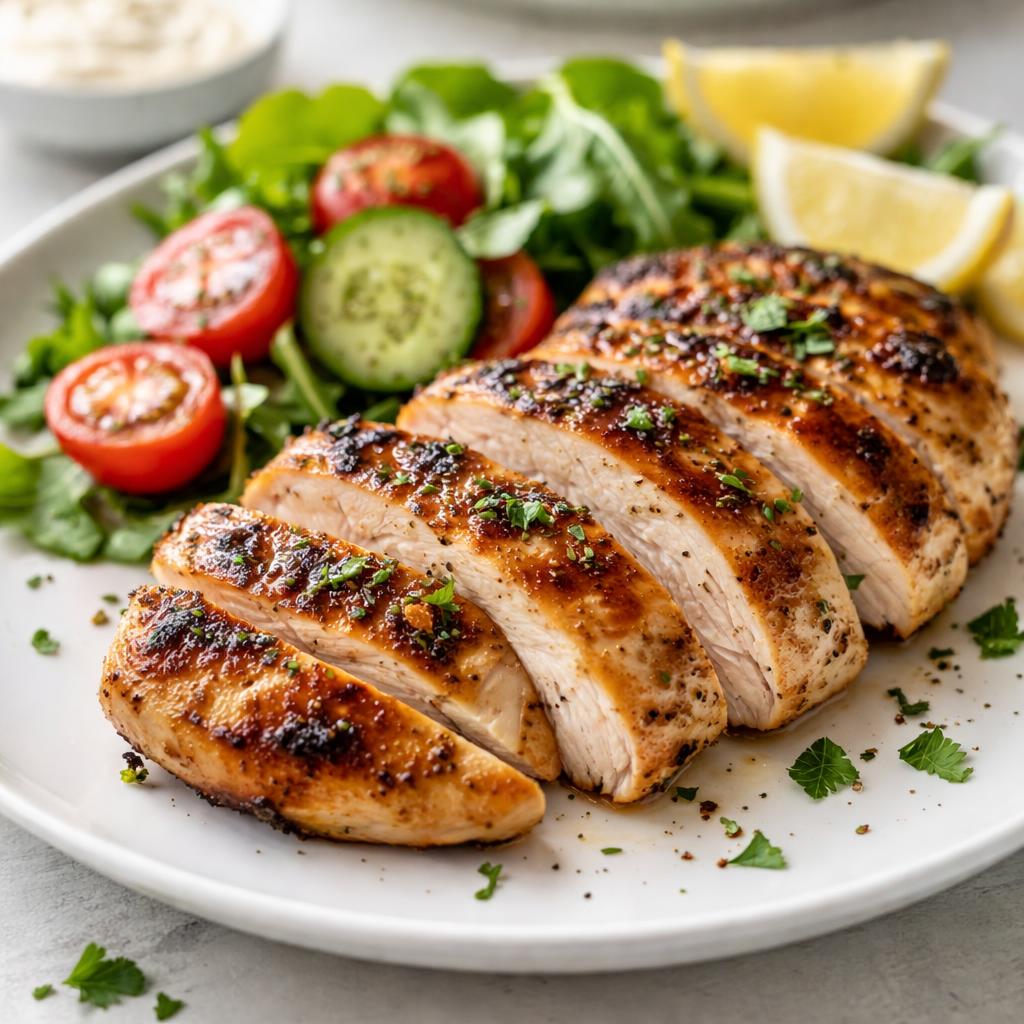
Chicken
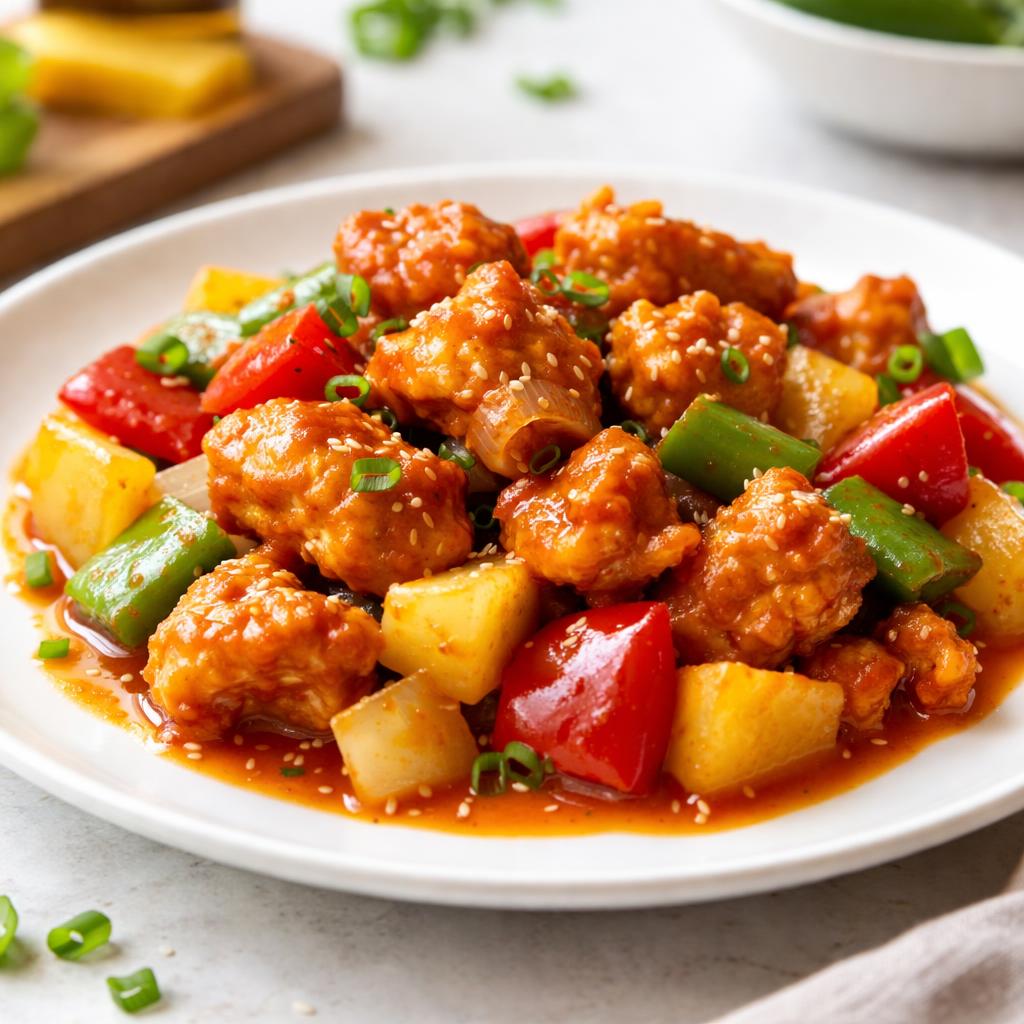
Sweet And Sour Chicken
🎯 Quick Verdict
Chicken (Food 1) is a low-calorie, high-protein food ideal for weight management and muscle growth. In contrast, sweet and sour chicken (Food 2) is higher in calories, sugar, and fat due to the sauce and breading, making it less suitable for restrictive diets but a flavorful option for occasional indulgence or carb-loading meals.

Smart Nutrition Tracking with SnapCalorie

📊 Nutritional Comparison
Macronutrients
| Nutrient | Food 1 | Food 2 | Winner |
|---|---|---|---|
| Calories | 165 | 295 | ✓ |
| Protein | 31g | 15g | ✓ |
| Carbs | 0g | 36g | ✓ |
| Fat | 3.6g | 10g | ✓ |
| Fiber | 0g | 0g | − |
Vitamins & Minerals
| Nutrient | Food 1 | Food 2 | Winner |
|---|---|---|---|
| Vitamin D | 0mcg | 0mcg | − |
| Calcium | 13mg | 20mg | ✓ |
| Iron | 1.3mg | 1.8mg | ✓ |
🏆 Category Winners
Protein
Chicken contains over double the protein compared to sweet and sour chicken.
Fiber
Neither food contains dietary fiber.
Calories
Chicken has about 44% fewer calories than sweet and sour chicken.
Vitamins
Sweet and sour chicken provides slightly more calcium and iron.
🥗 Diet Compatibility
Keto
Food 1: Compatible
Food 2: Not Compatible
Chicken is low-carb, but sweet and sour chicken contains 36g of carbs per serving.
Vegan
Food 1: Not Compatible
Food 2: Not Compatible
Both foods are animal-based and not suitable for vegans.
Gluten Free
Food 1: Compatible
Food 2: Not Compatible
Chicken is naturally gluten-free, but sweet and sour chicken typically contains breading and sauce that may include gluten.
Paleo
Food 1: Compatible
Food 2: Not Compatible
Chicken fits the paleo diet, but sweet and sour chicken is excluded due to sugar and processed ingredients.
Low-Carb
Food 1: Compatible
Food 2: Not Compatible
Chicken contains 0g of carbs, while sweet and sour chicken has 36g of carbs.
💪 Health Benefits Comparison
Food 1 Benefits
- Excellent source of lean protein for muscle building and recovery
- Low in fat and calories, supporting weight management
- Contains essential B vitamins for energy metabolism
Food 2 Benefits
- A flavorful option providing energy and quick calories
- Contains iron necessary for oxygen transport in the body
- Includes calcium for bone health
✅ The Bottom Line
Chicken (Food 1) is ideal for those on high-protein, low-carb diets or managing weight. Choose sweet and sour chicken (Food 2) for occasional indulgence or energy-dense meals. Opt for cooking methods and portion control to align with your dietary goals.
Choose Food 1 for: Lean muscle building, weight loss, keto diets
Choose Food 2 for: Carb-loading, energy recovery, flavor enhancement


