Chicken VS Sesame Seeds
A detailed nutritional comparison

Chicken
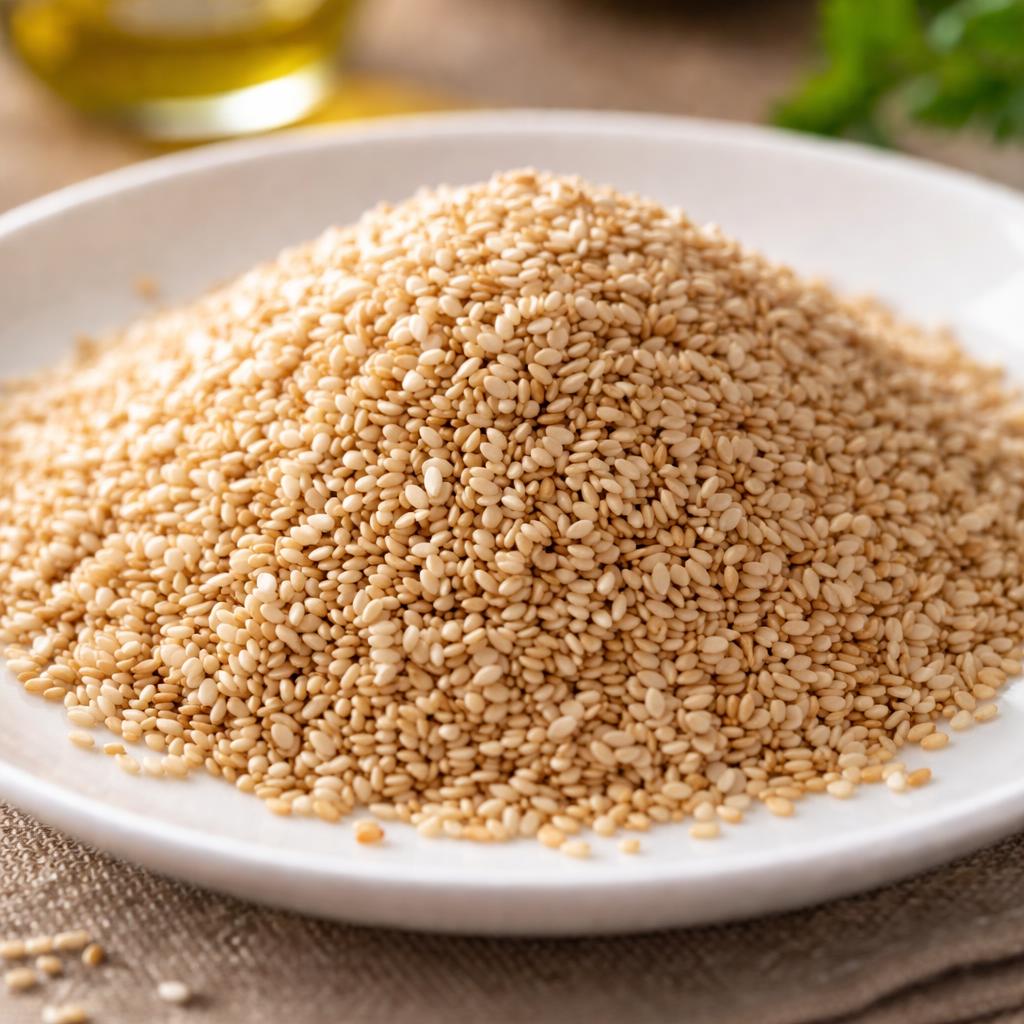
Sesame Seeds
🎯 Quick Verdict
Chicken and sesame seeds are nutritionally distinct, with chicken being a high-protein, low-calorie option ideal for muscle maintenance and weight management. Sesame seeds are calorie-dense, fiber-rich, and provide healthy fats, making them excellent for energy and heart health. The best choice depends on your dietary needs and goals.

Smart Nutrition Tracking with SnapCalorie

📊 Nutritional Comparison
Macronutrients
| Nutrient | Food 1 | Food 2 | Winner |
|---|---|---|---|
| Calories | 165 | 573 | ✓ |
| Protein | 31g | 17g | ✓ |
| Carbs | 0g | 23g | ✓ |
| Fat | 3.6g | 50g | ✓ |
| Fiber | 0g | 11.8g | ✓ |
Vitamins & Minerals
| Nutrient | Food 1 | Food 2 | Winner |
|---|---|---|---|
| Vitamin D | 0.2mcg | 0mcg | ✓ |
| Calcium | 11mg | 975mg | ✓ |
| Iron | 1.3mg | 14.8mg | ✓ |
🏆 Category Winners
Protein
Chicken contains nearly double the protein per serving compared to sesame seeds.
Fiber
Sesame seeds are rich in fiber, providing 11.8g per serving compared to chicken's 0g.
Calories
Chicken is significantly lower in calories at 165 calories per serving versus sesame seeds at 573.
🥗 Diet Compatibility
Keto
Food 1: Compatible
Food 2: Compatible
Both are low-carb and fit well within a keto diet.
Vegan
Food 1: Not Compatible
Food 2: Compatible
Chicken is an animal product, while sesame seeds are plant-based.
Gluten Free
Food 1: Compatible
Food 2: Compatible
Neither chicken nor sesame seeds contain gluten.
Paleo
Food 1: Compatible
Food 2: Compatible
Both align with paleo principles, offering natural, whole foods.
Low-Carb
Food 1: Compatible
Food 2: Moderately Compatible
Chicken has 0 carbs, while sesame seeds contain 23g, making them a higher carb choice for this category.
💪 Health Benefits Comparison
Food 1 Benefits
- High protein for muscle repair and growth
- Low calorie for weight management
- Source of B vitamins, including niacin and B6, for energy metabolism
Food 2 Benefits
- Rich in healthy fats like polyunsaturated fats for heart health
- High fiber content supports digestion and gut health
- Excellent source of minerals like calcium for bone health and iron for oxygen transport
✅ The Bottom Line
Chicken is a lean protein choice that suits weight loss, muscle building, and low-calorie diets, while sesame seeds are nutrient-dense and provide essential minerals, fiber, and fats for sustained energy and heart health. Choose chicken for lower calories and higher protein intake; opt for sesame seeds for fiber, iron, and healthy fats.
Choose Food 1 for: Weight loss, high-protein diets, post-workout meals
Choose Food 2 for: Heart health, energy-boosting snacks, plant-based diets


