Chicken VS Sausage Links
A detailed nutritional comparison
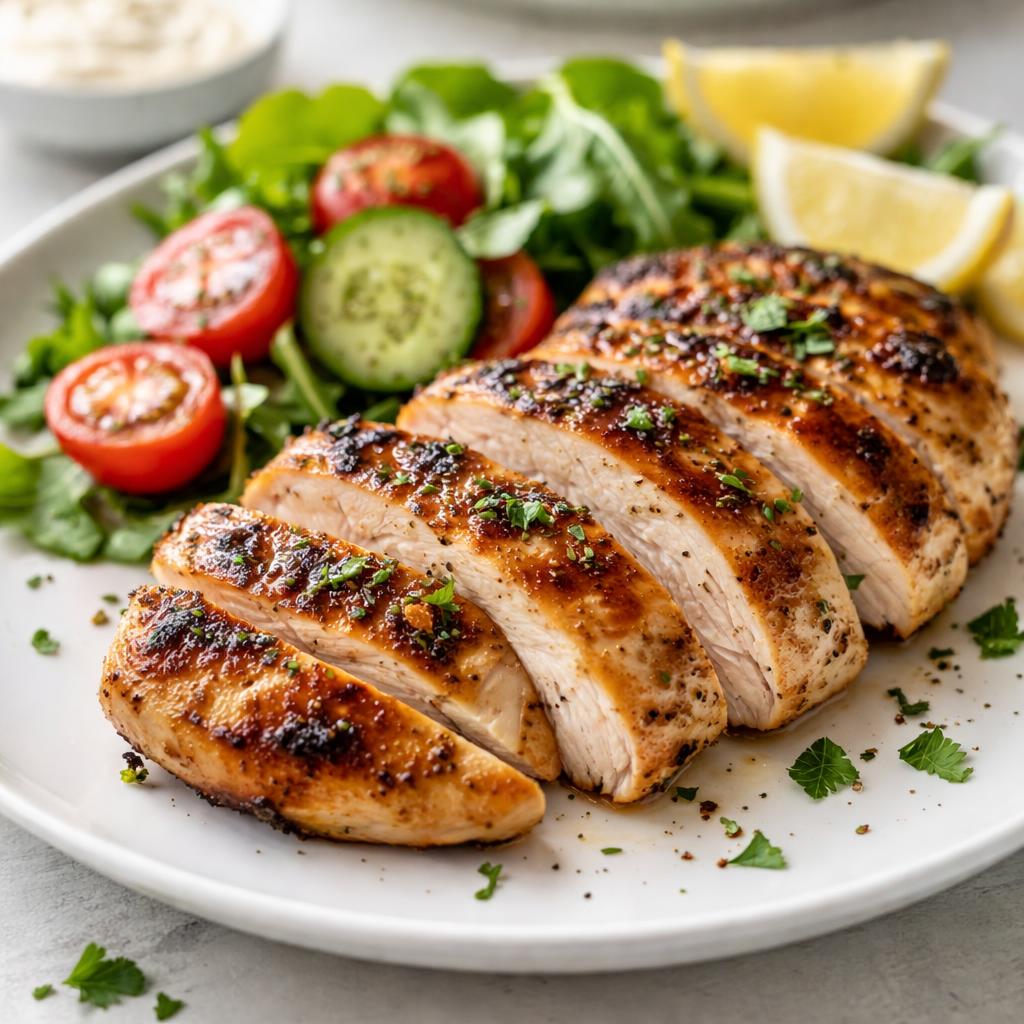
Chicken
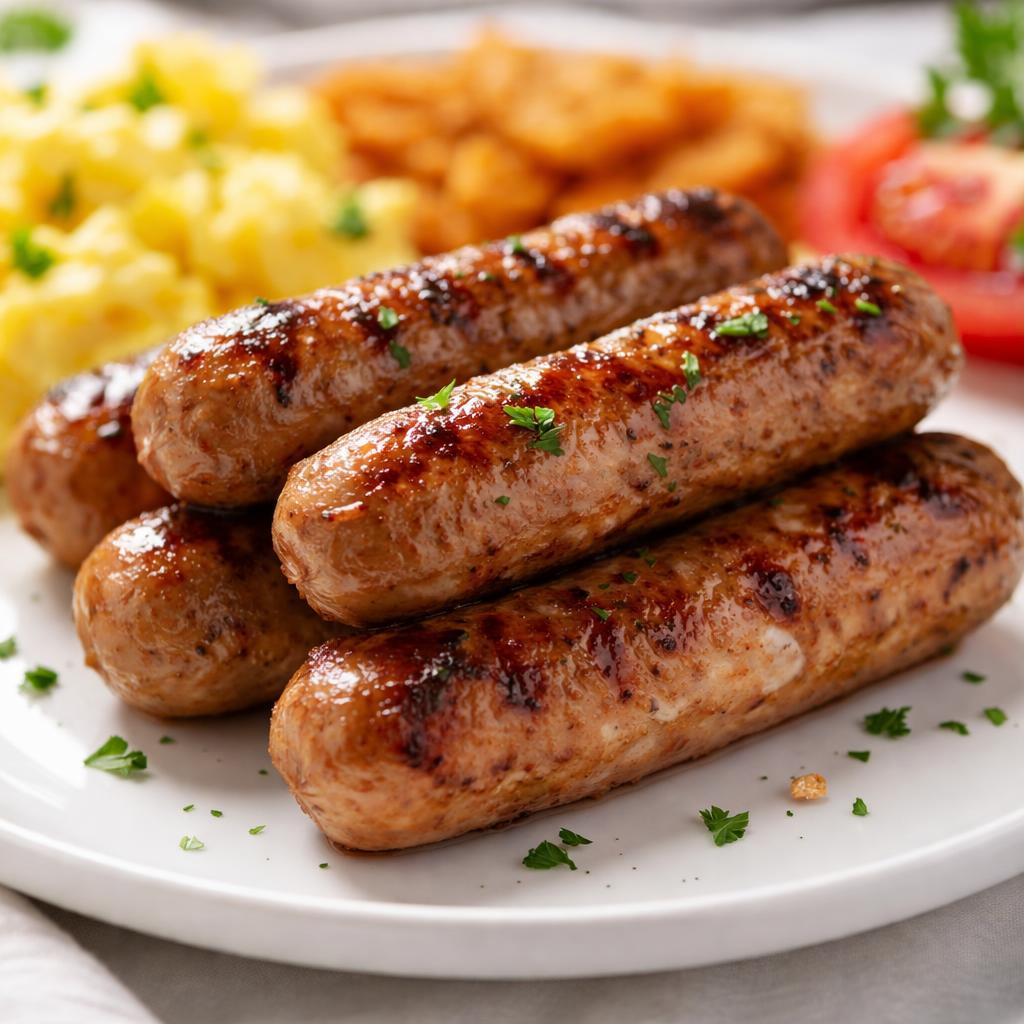
Sausage Links
🎯 Quick Verdict
Chicken is a lean source of protein with fewer calories and fat than sausage links, making it ideal for weight management or high-protein diets. Sausage links, while lower in protein and higher in calories, offer richer flavors but contain more unhealthy fats and sodium, which can be limiting for certain diets like low-sodium or weight loss plans.

Smart Nutrition Tracking with SnapCalorie

📊 Nutritional Comparison
Macronutrients
| Nutrient | Food 1 | Food 2 | Winner |
|---|---|---|---|
| Calories | 165 | 290 | ✓ |
| Protein | 31g | 11g | ✓ |
| Carbs | 0g | 2g | ✓ |
| Fat | 3.6g | 25g | ✓ |
| Fiber | 0g | 0g | − |
Vitamins & Minerals
| Nutrient | Food 1 | Food 2 | Winner |
|---|---|---|---|
| Vitamin B12 | 0.6mcg | 0.7mcg | ✓ |
| Iron | 1mg | 1.1mg | ✓ |
| Sodium | 70mg | 760mg | ✓ |
🏆 Category Winners
Protein
Chicken has nearly 3x the protein content of sausage links per serving.
Fiber
Neither food contains fiber.
Calories
Chicken has roughly 43% fewer calories than sausage links per serving.
Vitamins
Sausage links edge out chicken slightly in Vitamin B12 and iron content.
🥗 Diet Compatibility
Keto
Food 1: Compatible
Food 2: Compatible
Both foods are low in carbs, making them suitable for keto diets.
Vegan
Food 1: Not Compatible
Food 2: Not Compatible
Both foods are animal-based products.
Gluten Free
Food 1: Compatible
Food 2: Potentially Compatible
Chicken is naturally gluten-free, while sausage links may contain gluten (check labels).
Paleo
Food 1: Compatible
Food 2: Potentially Compatible
Chicken aligns with paleo principles, but some sausage links may contain additives or processed ingredients that are not paleo-approved.
Low Carb
Food 1: Compatible
Food 2: Compatible
Both foods are effectively carb-free, fitting well into low-carb diets.
💪 Health Benefits Comparison
Food 1 Benefits
- Excellent source of lean protein for muscle growth and repair
- Low in fat, supporting heart health and weight management
- Contains essential amino acids for body functions
Food 2 Benefits
- Provides iron and B vitamins for energy and cell health
- Rich, flavorful source of fats for sustained energy
- May contain spices or herbs with additional health benefits
✅ The Bottom Line
Chicken is the better choice for those seeking lower calories, higher protein, and less processed meat options. Sausage links are better suited for indulgent meals or those focused on flavor, but should be eaten in moderation due to their high fat and sodium content.
Choose Food 1 for: Weight loss, building muscle, high-protein diets
Choose Food 2 for: Flavorful meals, moderate energy needs, occasional indulgence


