Chicken VS Red Bell Peppers
A detailed nutritional comparison
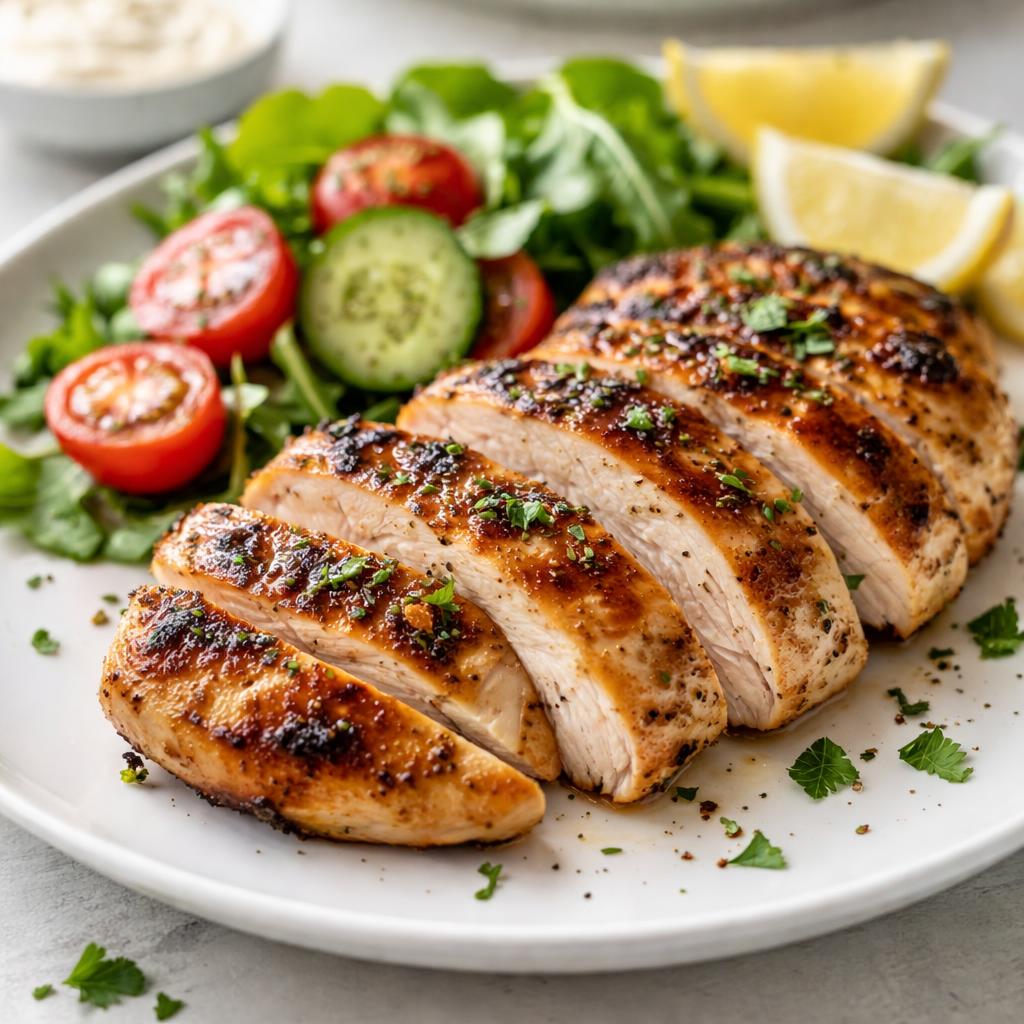
Chicken
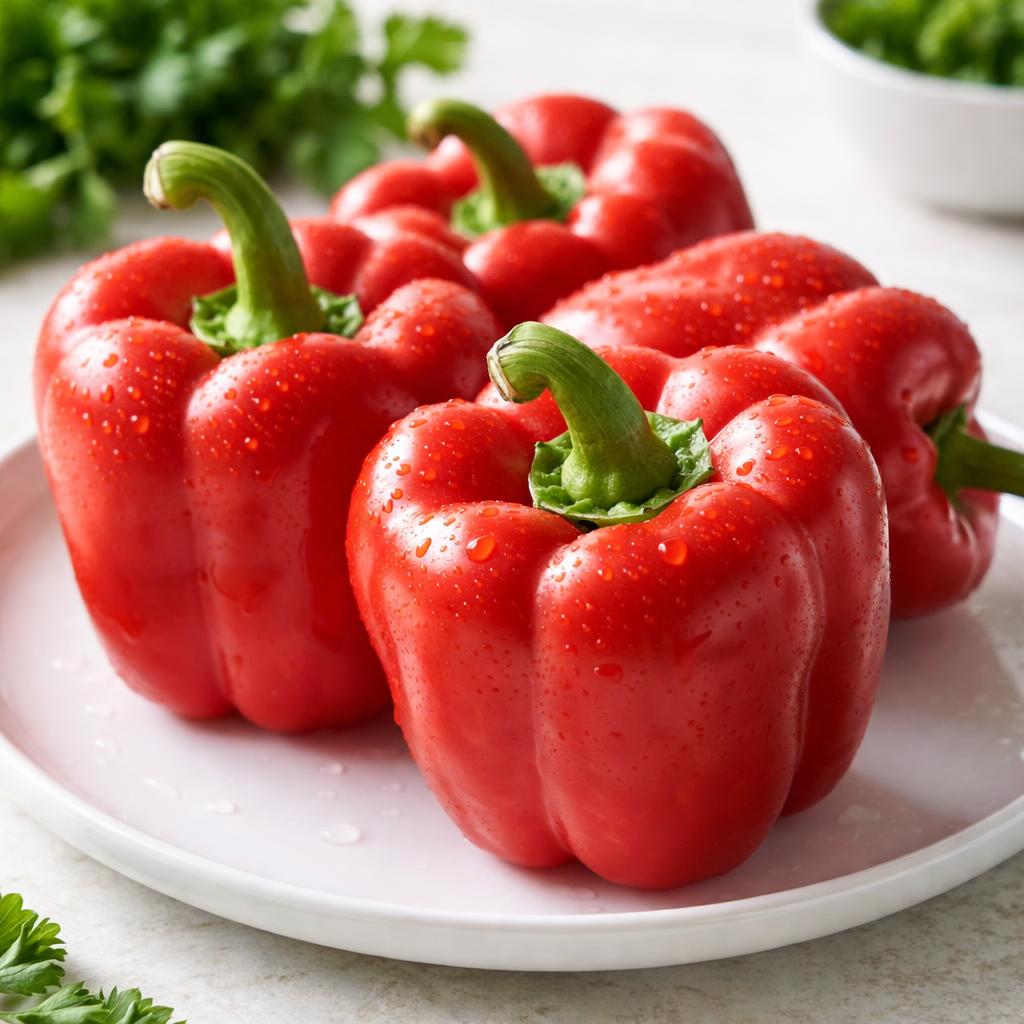
Red Bell Peppers
🎯 Quick Verdict
Chicken is a protein powerhouse with minimal carbs, making it an excellent choice for muscle building and keto diets. Red bell peppers, on the other hand, are low-calorie, rich in fiber, and loaded with vitamins like Vitamin C and A, making them an ideal choice for improving overall nutrient intake and supporting antioxidant needs. Both have unique benefits and are best utilized based on dietary goals.

Smart Nutrition Tracking with SnapCalorie

📊 Nutritional Comparison
Macronutrients
| Nutrient | Food 1 | Food 2 | Winner |
|---|---|---|---|
| Calories | 165 kcal (per 100g) | 31 kcal (per 100g) | ✓ |
| Protein | 31g | 1g | ✓ |
| Carbs | 0g | 6g | ✓ |
| Fat | 3.6g | 0.2g | ✓ |
| Fiber | 0g | 2.1g | ✓ |
Vitamins & Minerals
| Nutrient | Food 1 | Food 2 | Winner |
|---|---|---|---|
| Vitamin C | 0mg | 127mg | ✓ |
| Vitamin A | 7 IU | 3131 IU | ✓ |
| Iron | 1.3mg | 0.5mg | ✓ |
| Calcium | 13mg | 7mg | ✓ |
| Vitamin B6 | 0.6mg | 0.3mg | ✓ |
🏆 Category Winners
Protein
Chicken provides a significantly higher protein content (31g vs 1g per 100g).
Fiber
Red bell peppers offer 2.1g of fiber, whereas chicken contains none.
Calories
Red bell peppers are much lower in calories (31 kcal vs 165 kcal per 100g).
Vitamins
Red bell peppers provide exceptional amounts of Vitamin C and Vitamin A compared to chicken.
🥗 Diet Compatibility
Keto
Food 1: Compatible
Food 2: Compatible
Chicken is carb-free, and red bell peppers are low in carbs (6g per 100g).
Vegan
Food 1: Not Compatible
Food 2: Compatible
Chicken is an animal product, while red bell peppers are plant-based.
Gluten Free
Food 1: Compatible
Food 2: Compatible
Neither chicken nor red bell peppers contain gluten.
Paleo
Food 1: Compatible
Food 2: Compatible
Both foods fit within the paleo diet due to their natural, whole-food origins.
Low Carb
Food 1: Compatible
Food 2: Compatible
Chicken has zero carbs, and red bell peppers are low-carb, making both suitable for low-carb diets.
💪 Health Benefits Comparison
Food 1 Benefits
- Excellent source of complete protein for muscle repair and maintenance
- Low in fat, particularly when skinless, aiding in weight management
- Rich in Vitamin B6, supporting brain health and hemoglobin production
Food 2 Benefits
- High in Vitamin C, boosting immunity and supporting collagen production
- Rich in antioxidants, including beta-carotene and Vitamin A, promoting skin and eye health
- Contains dietary fiber for gut health and satiety
- Low-calorie content makes it ideal for calorie-conscious diets
✅ The Bottom Line
Choose chicken for high-quality protein, essential for muscle growth, recovery, and low-carb or high-protein diets. Opt for red bell peppers when looking for a low-calorie, nutrient-dense option that delivers a boost of vitamins, antioxidants, and fiber. Including both in your diet can provide complementary health benefits.
Choose Food 1 for: Muscle building, weight management, keto or low-carb diets
Choose Food 2 for: Boosting vitamin intake, immune health, low-calorie diets


