Chicken VS Red Bell Pepper
A detailed nutritional comparison
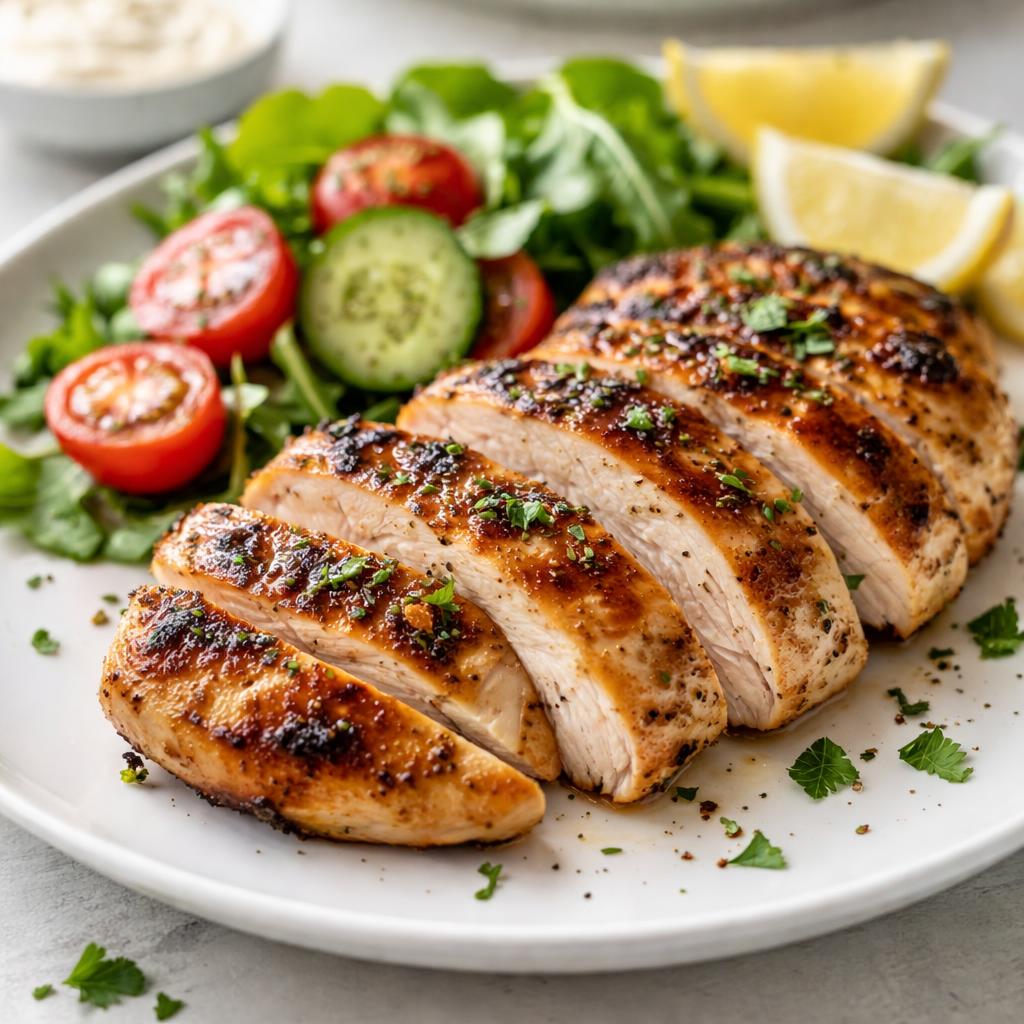
Chicken
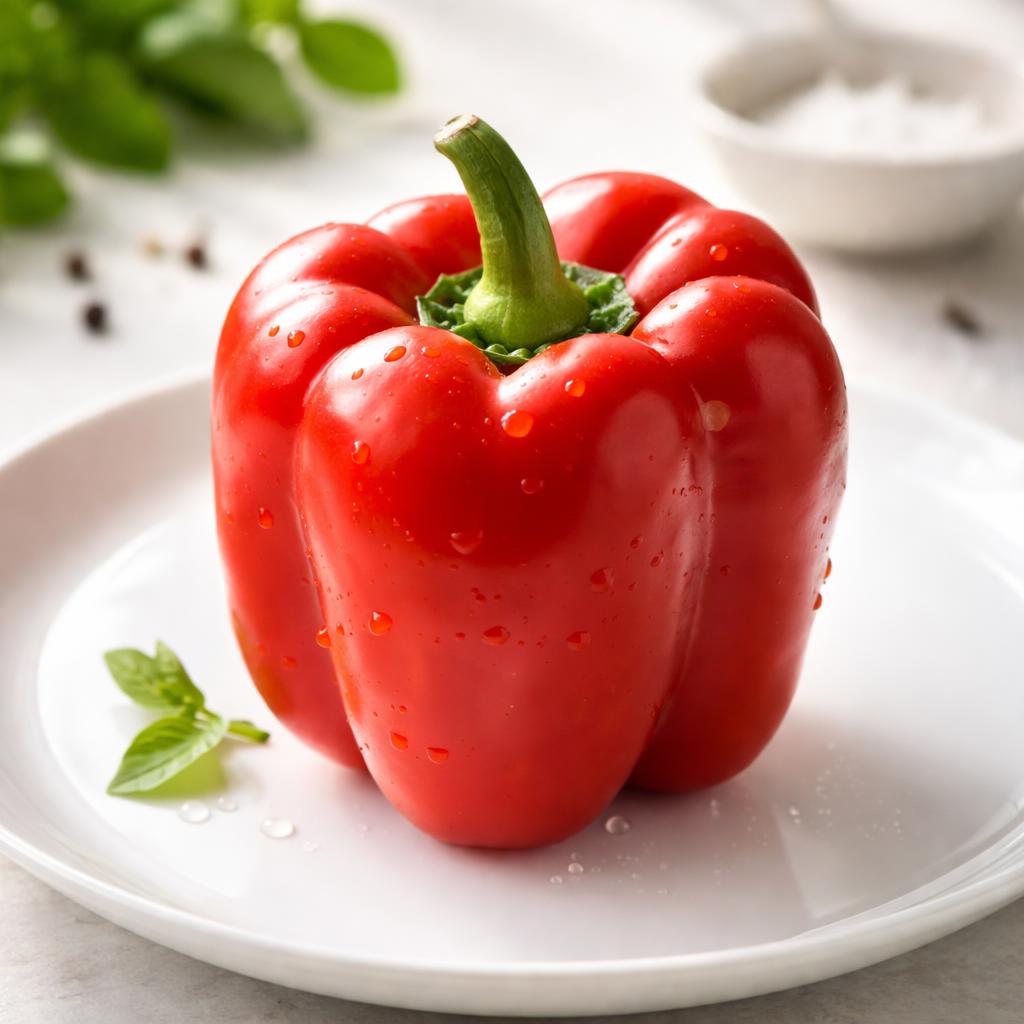
Red Bell Pepper
🎯 Quick Verdict
Chicken and red bell peppers are nutritionally distinct. Chicken is a protein powerhouse, ideal for building muscle and staying full, while red bell peppers shine in fiber and vitamins, especially vitamin C. Choose chicken for protein-focused goals and red bell peppers to boost micronutrient intake and fiber content.

Smart Nutrition Tracking with SnapCalorie

📊 Nutritional Comparison
Macronutrients
| Nutrient | Food 1 | Food 2 | Winner |
|---|---|---|---|
| Calories | 165 | 40 | ✓ |
| Protein | 31g | 1g | ✓ |
| Carbs | 0g | 9g | ✓ |
| Fat | 3.6g | 0.3g | ✓ |
| Fiber | 0g | 2.5g | ✓ |
Vitamins & Minerals
| Nutrient | Food 1 | Food 2 | Winner |
|---|---|---|---|
| Vitamin C | 0mg | 152mg | ✓ |
| Vitamin A | 13IU | 4666IU | ✓ |
| Iron | 1.3mg | 0.5mg | ✓ |
🏆 Category Winners
Protein
Chicken contains 31g of protein per serving, while red bell peppers offer just 1g.
Fiber
Red bell peppers contain 2.5g of fiber, whereas chicken has none.
Calories
Red bell peppers have only 40 calories per serving, compared to chicken's 165.
Vitamins
Red bell peppers excel in vitamins, with significantly more vitamin C and A than chicken.
🥗 Diet Compatibility
Keto
Food 1: Compatible
Food 2: Compatible
Chicken is zero-carb and bell peppers are low-carb.
Vegan
Food 1: Not Compatible
Food 2: Compatible
Chicken is animal-based, while red bell peppers are plant-based.
Gluten Free
Food 1: Compatible
Food 2: Compatible
Neither contains gluten.
Paleo
Food 1: Compatible
Food 2: Compatible
Both align with paleo diet principles.
Low Carb
Food 1: Highly Compatible
Food 2: Compatible
Chicken has zero carbs, and red bell peppers are low-carb (9g per serving).
💪 Health Benefits Comparison
Food 1 Benefits
- Excellent source of high-quality protein for muscle maintenance and repair
- Naturally low in fat, beneficial for weight management
- Contains selenium, supporting thyroid and immune health
Food 2 Benefits
- Extremely high in vitamin C, promoting immune function and skin health
- Rich in fiber, aiding digestion and maintaining gut health
- Packed with antioxidants, reducing inflammation and supporting heart health
✅ The Bottom Line
Chicken and red bell peppers complement different dietary goals. Choose chicken for protein-packed meals, particularly for muscle-building or post-workout recovery. Opt for red bell peppers to enhance vitamin intake, improve digestion with fiber, and support overall health with antioxidants. Incorporating both into meals provides a balanced nutrient profile.
Choose Food 1 for: Muscle building, post-workout recovery, low-carb diets
Choose Food 2 for: Boosting vitamin intake, heart health, digestion support


