Chicken VS Pork Loin
A detailed nutritional comparison
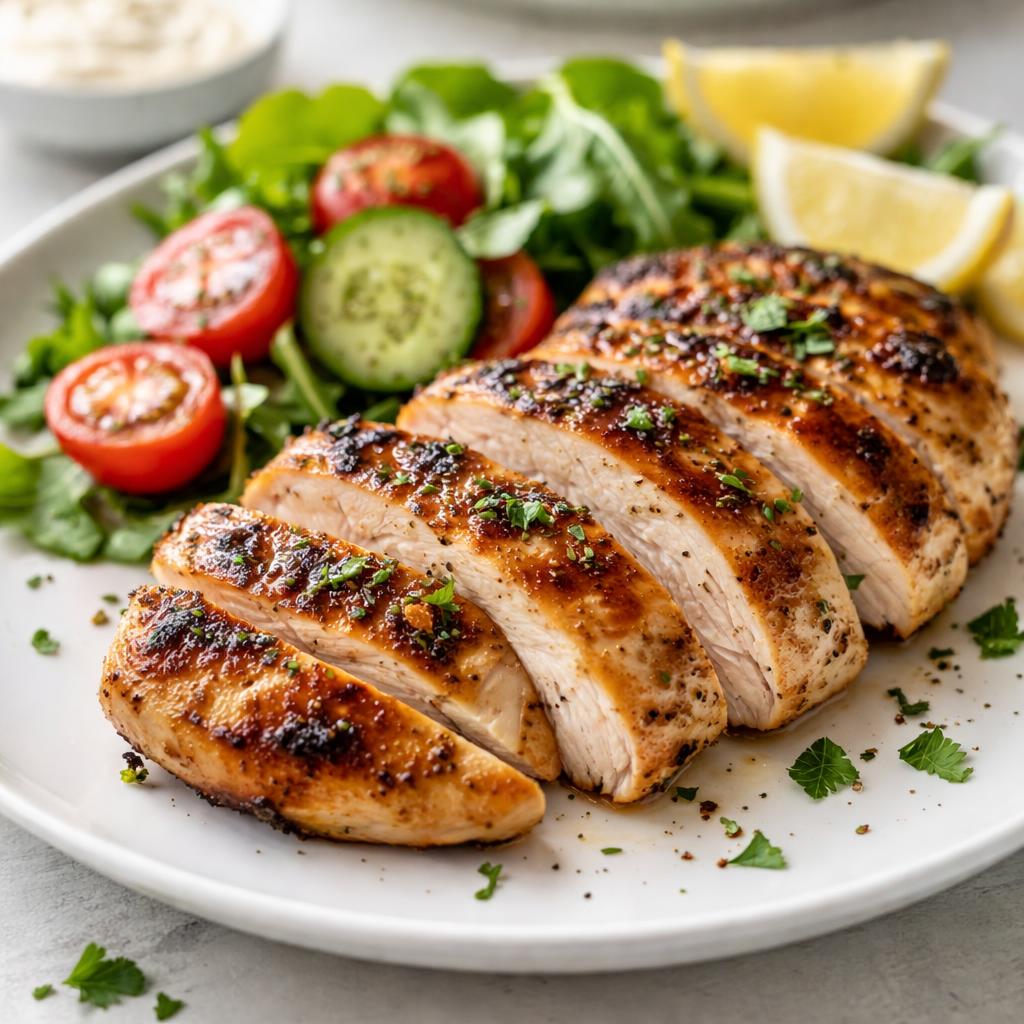
Chicken
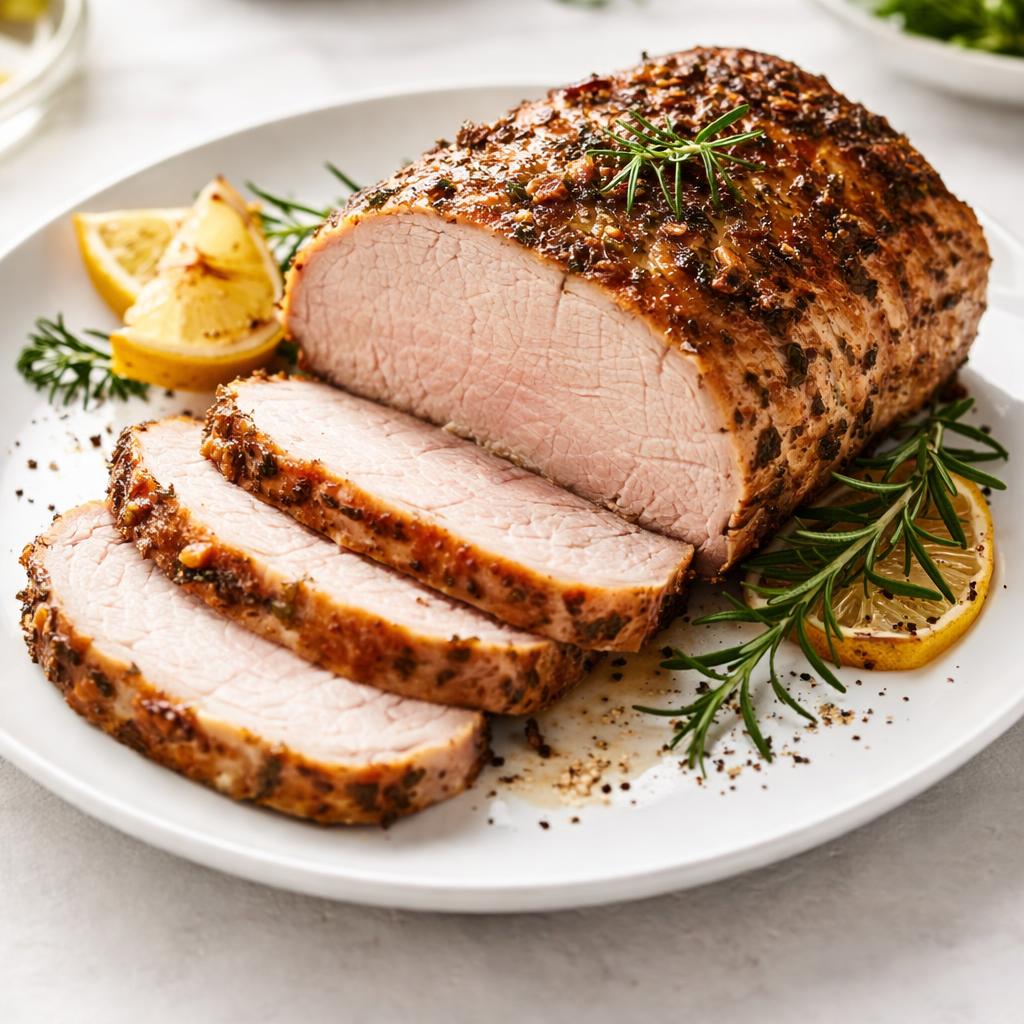
Pork Loin
🎯 Quick Verdict
Chicken is slightly lower in calories and higher in protein, making it ideal for weight management and muscle-building diets. Pork loin has a bit more fat, offering more flavor and sustained energy. Both are nutrient-dense options with minimal carbohydrates and work well in high-protein diets.

Smart Nutrition Tracking with SnapCalorie

📊 Nutritional Comparison
Macronutrients
| Nutrient | Food 1 | Food 2 | Winner |
|---|---|---|---|
| Calories | 165 | 206 | ✓ |
| Protein | 31g | 28g | ✓ |
| Carbs | 0g | 0g | − |
| Fat | 3.6g | 9g | ✓ |
| Fiber | 0g | 0g | − |
Vitamins & Minerals
| Nutrient | Food 1 | Food 2 | Winner |
|---|---|---|---|
| Vitamin B6 | 0.5mg | 0.7mg | ✓ |
| Vitamin B12 | 0.3mcg | 0.7mcg | ✓ |
| Iron | 1.0mg | 0.8mg | ✓ |
| Zinc | 0.9mg | 2.1mg | ✓ |
🏆 Category Winners
Protein
Chicken has slightly more protein per serving (31g vs 28g).
Fiber
Neither contains fiber since they are animal products.
Calories
Chicken is lower in calories with 165 per serving compared to 206 for pork loin.
Vitamins
Pork loin is richer in key vitamins like B6, B12, and zinc.
🥗 Diet Compatibility
Keto
Food 1: Compatible
Food 2: Compatible
Both are carb-free and high in protein and fats.
Vegan
Food 1: Not Compatible
Food 2: Not Compatible
Neither food is plant-based.
Gluten Free
Food 1: Compatible
Food 2: Compatible
Both are naturally gluten-free.
Paleo
Food 1: Compatible
Food 2: Compatible
As whole animal proteins, both fit paleo guidelines.
Low Carb
Food 1: Compatible
Food 2: Compatible
Both are carbohydrate-free foods.
💪 Health Benefits Comparison
Food 1 Benefits
- High protein content supports muscle growth and repair.
- Low fat and calorie content aids in weight management.
- Good source of iron for blood health.
Food 2 Benefits
- Rich in zinc for immune function and wound healing.
- High levels of vitamin B12 for nerve and blood cell health.
- Contains adequate fat for sustained energy.
✅ The Bottom Line
Choose chicken if you're aiming for lower calories and higher protein intake, ideal for weight loss or lean muscle diets. Opt for pork loin if you want something more flavorful with slightly more fat and essential vitamins like B12 and zinc.
Choose Food 1 for: Weight loss, muscle-building, lower-fat diets
Choose Food 2 for: Flavorful meals, immune health, nutrient density


