Chicken VS Herbs
A detailed nutritional comparison
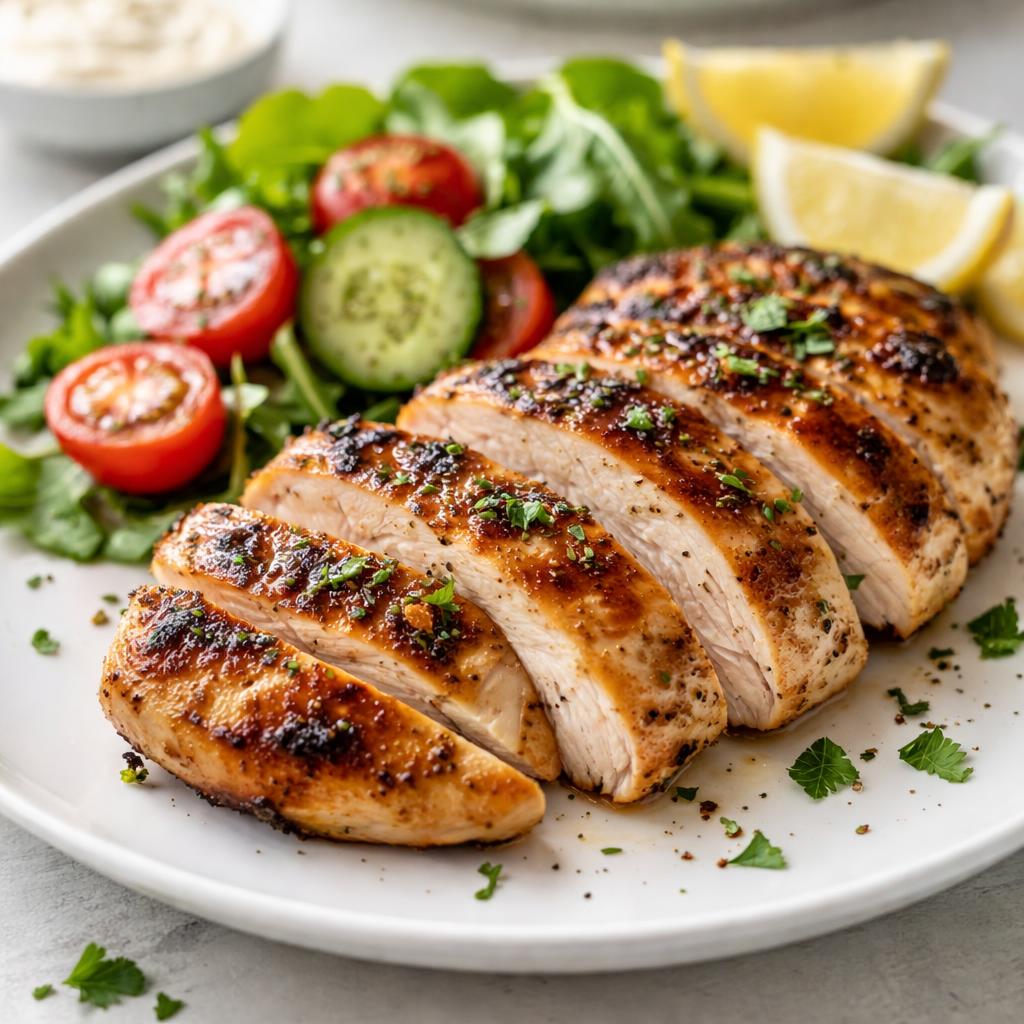
Chicken
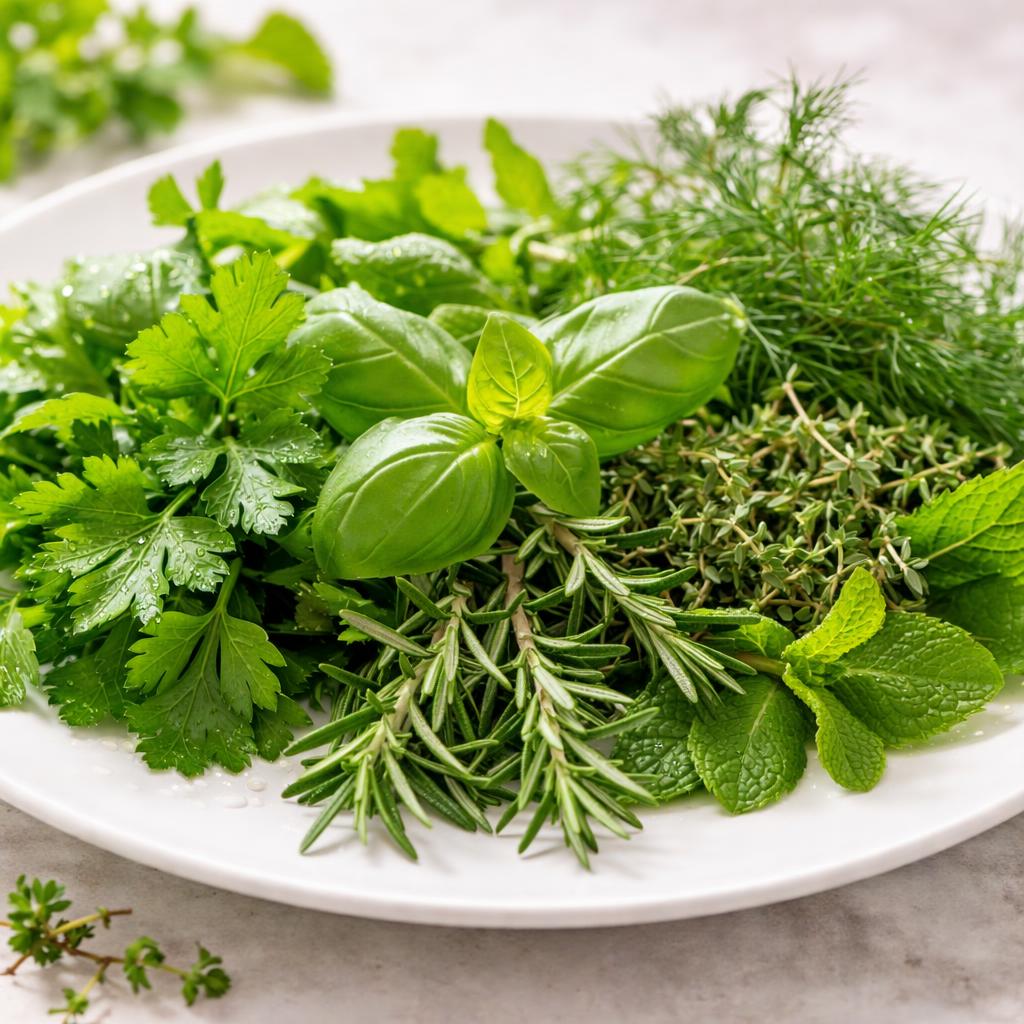
Herbs
🎯 Quick Verdict
Chicken is a high-protein, low-carb food ideal for muscle building and weight loss, while herbs are low in calories but rich in fiber, antioxidants, and vital micronutrients. Herbs are best used to enhance flavor and add vitamins, whereas chicken serves as a primary protein source in meals.

Smart Nutrition Tracking with SnapCalorie

📊 Nutritional Comparison
Macronutrients
| Nutrient | Food 1 | Food 2 | Winner |
|---|---|---|---|
| Calories | 165 kcal (per 100g) | 25 kcal (per 100g) | ✓ |
| Protein | 31g | 3g | ✓ |
| Carbs | 0g | 6g | ✓ |
| Fat | 3.6g | 0.5g | ✓ |
| Fiber | 0g | 3g | ✓ |
Vitamins & Minerals
| Nutrient | Food 1 | Food 2 | Winner |
|---|---|---|---|
| Vitamin C | 0mg | 20mg (per 100g) | ✓ |
| Vitamin D | 1mcg | 0mcg | ✓ |
| Calcium | 15mg | 100mg | ✓ |
| Iron | 1mg | 10mg | ✓ |
🏆 Category Winners
Protein
Chicken contains 31g of protein per 100g, significantly higher than herbs.
Fiber
Herbs provide 3g of fiber per 100g, while chicken contains none.
Calories
Herbs are very low in calories at 25 kcal per 100g compared to chicken's 165 kcal.
Vitamins
Herbs are a better source of Vitamin C, Calcium, and Iron compared to chicken.
🥗 Diet Compatibility
Keto
Food 1: Compatible
Food 2: Compatible
Both foods are low-carb and suitable for a ketogenic diet.
Vegan
Food 1: Not Compatible
Food 2: Compatible
Chicken is an animal product, while herbs are plant-based.
Gluten Free
Food 1: Compatible
Food 2: Compatible
Neither chicken nor herbs contain gluten.
Paleo
Food 1: Compatible
Food 2: Compatible
Both foods align with Paleo diet principles.
Low Carb
Food 1: Compatible
Food 2: Compatible
Chicken is naturally zero-carb, and herbs are low in carbs.
💪 Health Benefits Comparison
Food 1 Benefits
- High in protein for muscle growth and repair
- Low in fat for weight loss-friendly meals
- Contains Vitamin D to support bone health
Food 2 Benefits
- Rich in antioxidants that help fight free radicals
- High in fiber for better digestion
- Provides essential vitamins and minerals like Vitamin C and Iron
✅ The Bottom Line
Choose chicken as a high-protein staple food for building muscle and sustained satiety, particularly in low-carb or keto diets. Opt for herbs to enhance meals with flavor and additional micronutrients, especially for boosting fiber intake or adding antioxidants.
Choose Food 1 for: Muscle gain, low-carb diets, post-workout meals
Choose Food 2 for: Flavor enhancement, antioxidant boost, low-calorie diets


