Chicken VS Eggs
A detailed nutritional comparison
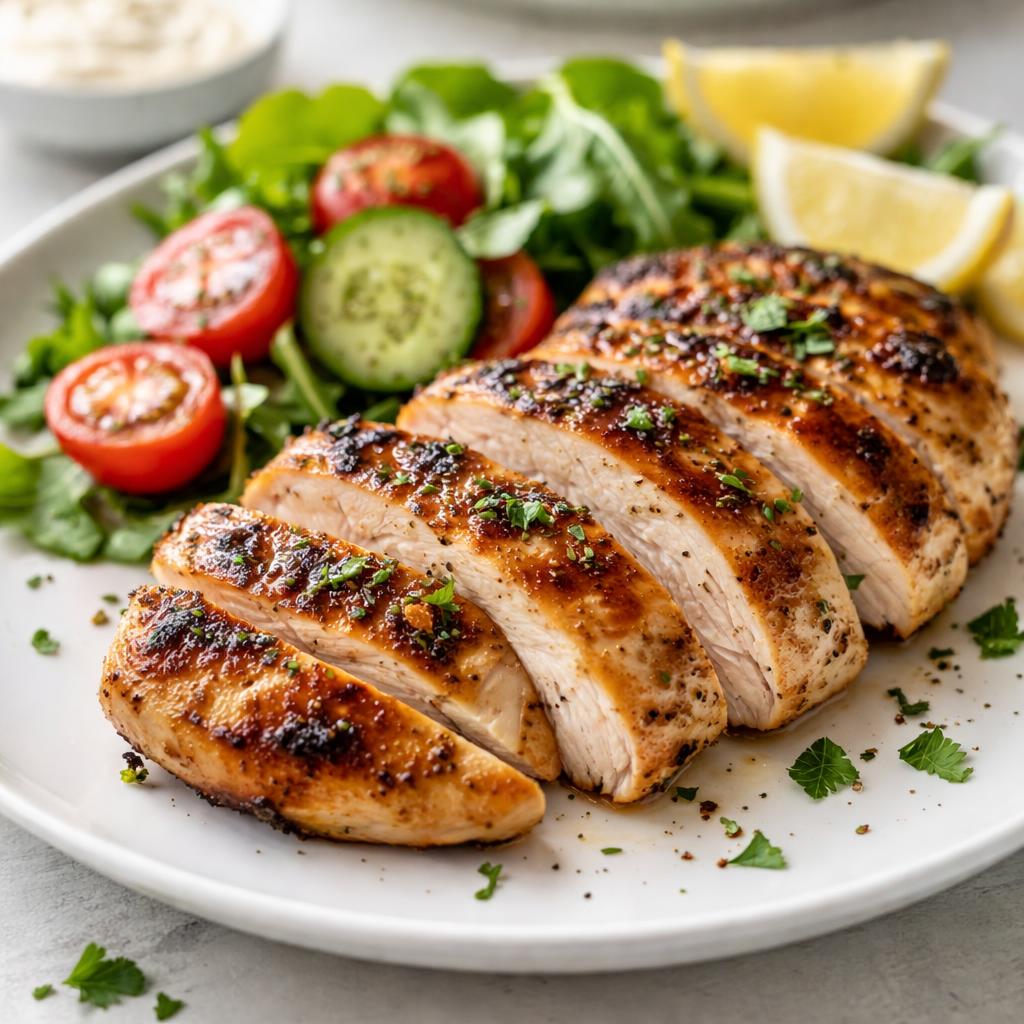
Chicken
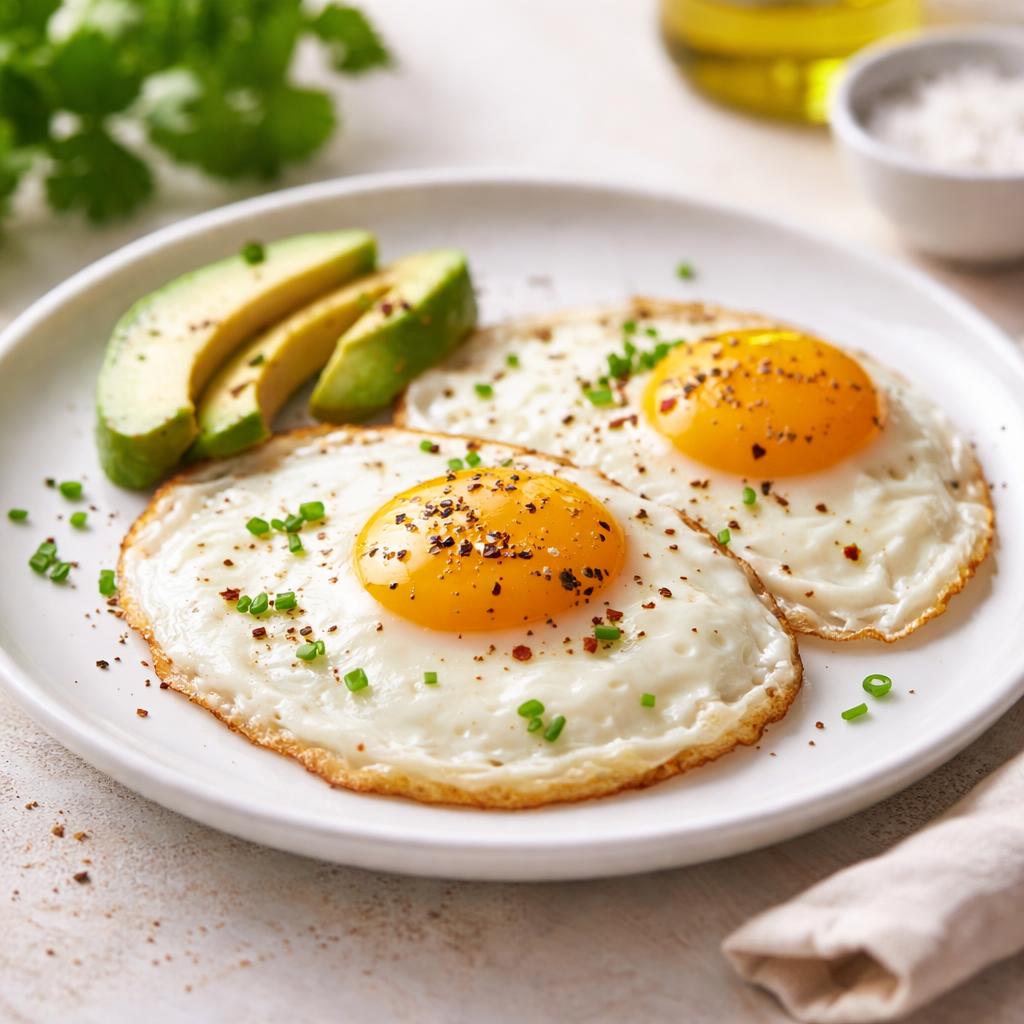
Eggs
🎯 Quick Verdict
Chicken and eggs are both excellent sources of protein but differ in calorie and fat content. Chicken is leaner and lower in calories, making it ideal for those aiming to lose weight or build muscle. Eggs provide healthy fats and more micronutrients, beneficial for sustained energy and overall health. Both foods are versatile in preparation and complement various diets like keto and paleo.

Smart Nutrition Tracking with SnapCalorie

📊 Nutritional Comparison
Macronutrients
| Nutrient | Food 1 | Food 2 | Winner |
|---|---|---|---|
| Calories | 165 (per 100g cooked chicken breast) | 155 (per 2 medium eggs) | ✓ |
| Protein | 31g | 12g | ✓ |
| Carbs | 0g | 1g | ✓ |
| Fat | 3.6g | 11g | ✓ |
| Fiber | 0g | 0g | − |
Vitamins & Minerals
| Nutrient | Food 1 | Food 2 | Winner |
|---|---|---|---|
| Vitamin D | Trace amounts | 2mcg | ✓ |
| Vitamin B12 | 0.3mcg | 1.2mcg | ✓ |
| Iron | 0.9mg | 1.2mg | ✓ |
| Selenium | 24mcg | 22mcg | ✓ |
| Choline | 65mg | 294mg | ✓ |
🏆 Category Winners
Protein
Chicken provides 160% more protein per serving.
Fiber
Neither food contains fiber.
Calories
Chicken is slightly lower in calories per serving.
Vitamins
Eggs have higher levels of vitamin D, B12, and choline.
🥗 Diet Compatibility
Keto
Food 1: Compatible
Food 2: Compatible
Both are low-carb, high-fat foods suitable for keto diets.
Vegan
Food 1: Not Compatible
Food 2: Not Compatible
Both are animal-based products.
Gluten Free
Food 1: Compatible
Food 2: Compatible
Neither contains gluten.
Paleo
Food 1: Compatible
Food 2: Compatible
Both adhere to paleo diet guidelines.
Low-Carb
Food 1: Compatible
Food 2: Compatible
Both are very low in carbs.
💪 Health Benefits Comparison
Food 1 Benefits
- High in lean protein for muscle building and repair
- Low in calories and fat, ideal for weight loss
- Good source of selenium to support thyroid health
Food 2 Benefits
- Rich in healthy fats for energy and heart health
- Provides choline for brain and nervous system function
- Contains vitamin D for bone health and immune support
- Good source of B12 for red blood cell production
✅ The Bottom Line
Chicken provides more protein and fewer calories, making it perfect for weight loss and athletic performance diets. Eggs excel in micronutrient content like choline, vitamin D, and B12, ideal for overall energy and brain health. Both foods are versatile and complement various dietary needs.
Choose Food 1 for: Weight loss, muscle building, high-protein diets
Choose Food 2 for: Brain health, energy sustenance, nutrient-rich diets


