Chicken VS Dill
A detailed nutritional comparison
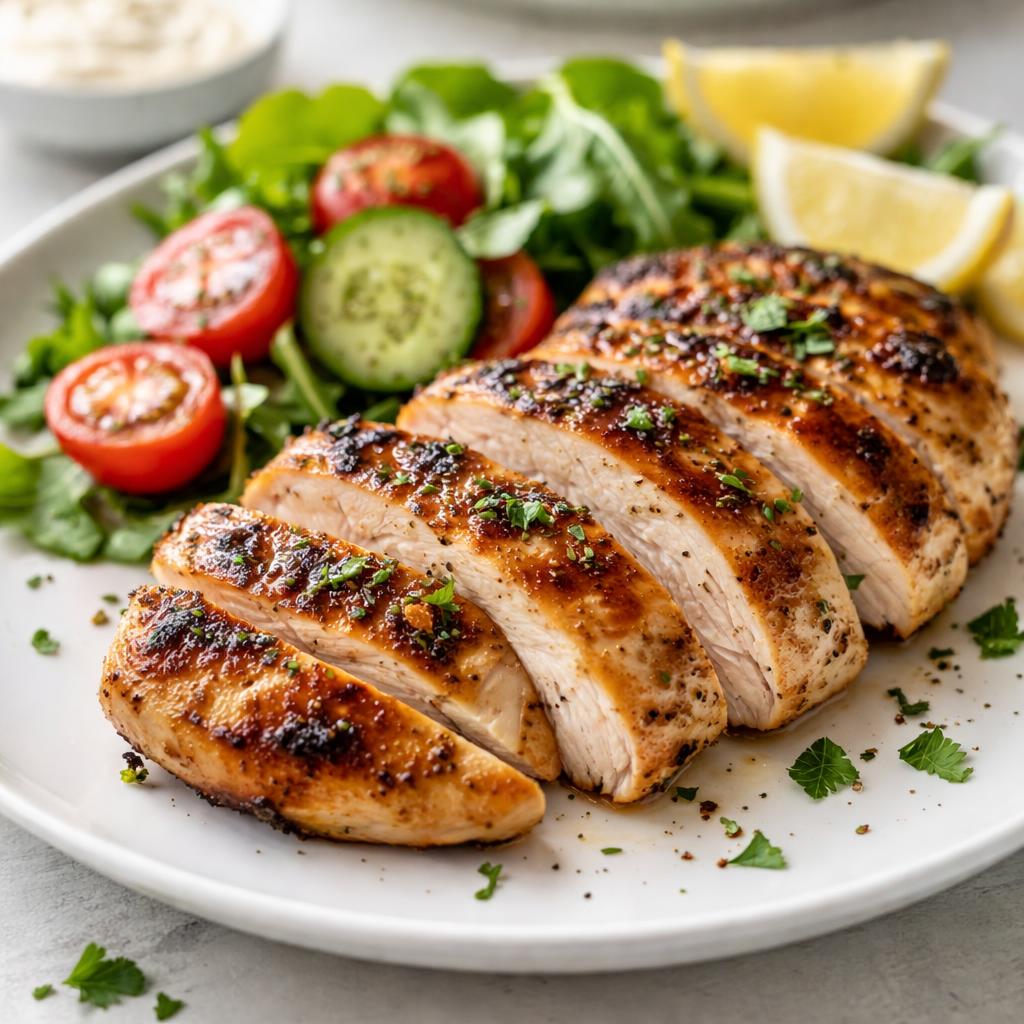
Chicken
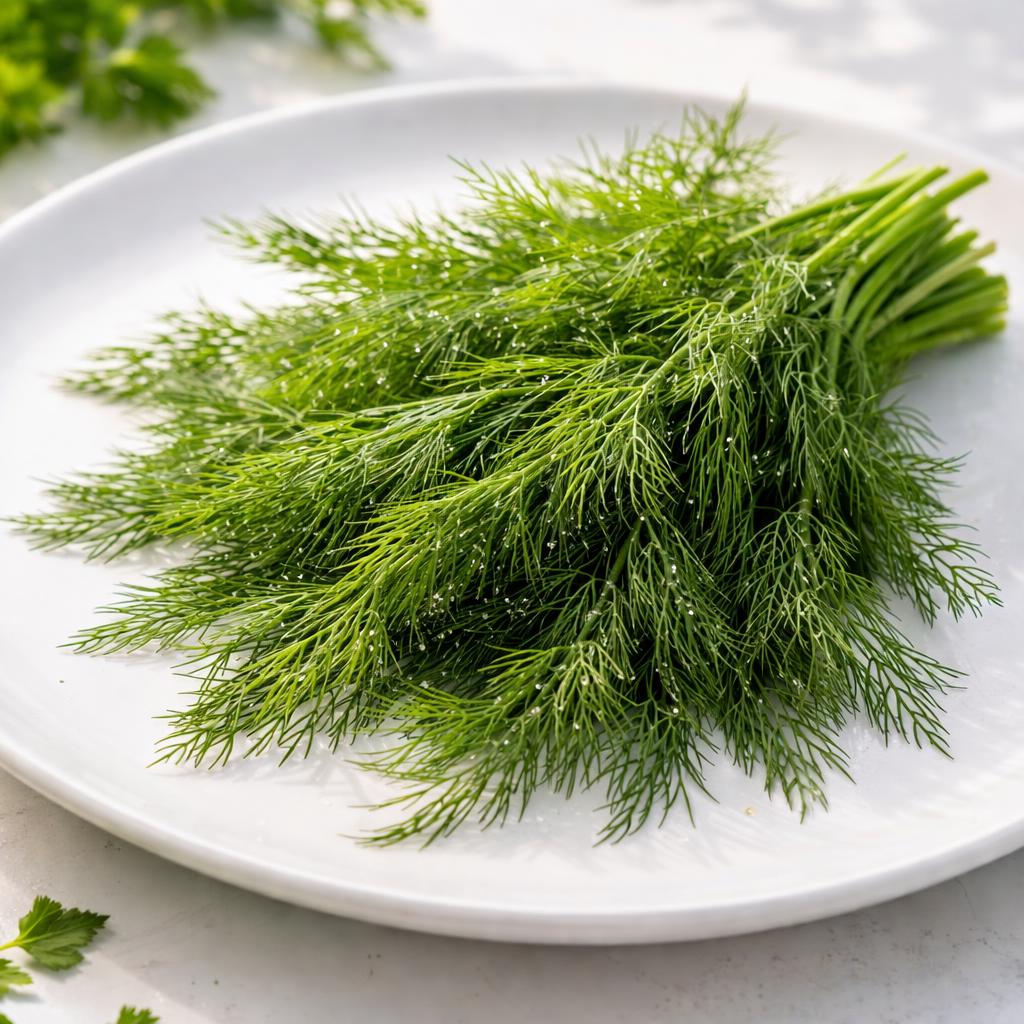
Dill
🎯 Quick Verdict
Chicken is a high-protein and versatile food ideal for muscle building and satiety, whereas dill is a low-calorie herb that offers antioxidants, vitamins, and fiber, making it a great addition to meals for flavor and nutrition. Chicken is better for macronutrient needs, while dill adds vital micronutrients and digestive support.

Smart Nutrition Tracking with SnapCalorie

📊 Nutritional Comparison
Macronutrients
| Nutrient | Food 1 | Food 2 | Winner |
|---|---|---|---|
| Calories | 165 | 4 | ✓ |
| Protein | 31g | 0.6g | ✓ |
| Carbs | 0g | 0.7g | ✓ |
| Fat | 3.6g | 0.1g | ✓ |
| Fiber | 0g | 0.3g | ✓ |
Vitamins & Minerals
| Nutrient | Food 1 | Food 2 | Winner |
|---|---|---|---|
| Vitamin A | 13mcg | 43mcg | ✓ |
| Vitamin C | 0mg | 8mg | ✓ |
| Vitamin K | 0.3mcg | 62mcg | ✓ |
| Calcium | 13mg | 20mg | ✓ |
| Iron | 1mg | 0.6mg | ✓ |
🏆 Category Winners
Protein
Chicken is extremely rich in protein with 31g per serving compared to 0.6g for dill.
Fiber
Dill provides some fiber (0.3g), whereas chicken has none.
Calories
Dill is extremely low-calorie, offering only 4 calories per serving compared to chicken's 165.
Vitamins
Dill dominates in vitamins, especially Vitamin C, Vitamin K, and Vitamin A.
🥗 Diet Compatibility
Keto
Food 1: Compatible
Food 2: Compatible
Both foods are low-carb.
Vegan
Food 1: Not Compatible
Food 2: Compatible
Chicken is animal-based; dill is plant-based.
Gluten Free
Food 1: Compatible
Food 2: Compatible
Neither food contains gluten.
Paleo
Food 1: Compatible
Food 2: Compatible
Both are acceptable in a paleo diet.
Low Carb
Food 1: Compatible
Food 2: Compatible
Both foods are very low in carbohydrates.
💪 Health Benefits Comparison
Food 1 Benefits
- High in lean protein for muscle growth and repair
- Low in carbohydrates, great for weight loss or keto diets
- Source of essential minerals like phosphorus and selenium
Food 2 Benefits
- Rich in antioxidants that support immunity
- Good source of Vitamin C for collagen and skin health
- Contains Vitamin K, which promotes bone and heart health
✅ The Bottom Line
Chicken is better for protein-dependent diets like post-workout recovery, while dill excels as a low-calorie, nutrient-dense flavor enhancer with added health benefits. Choose chicken for substantial macronutrient needs and dill for vitamins and digestion support.
Choose Food 1 for: Weight management, high-protein diets, muscle repair
Choose Food 2 for: Low-calorie diets, micronutrient supplementation, flavoring meals


