Chicken VS Chicken Caesar Salad
A detailed nutritional comparison
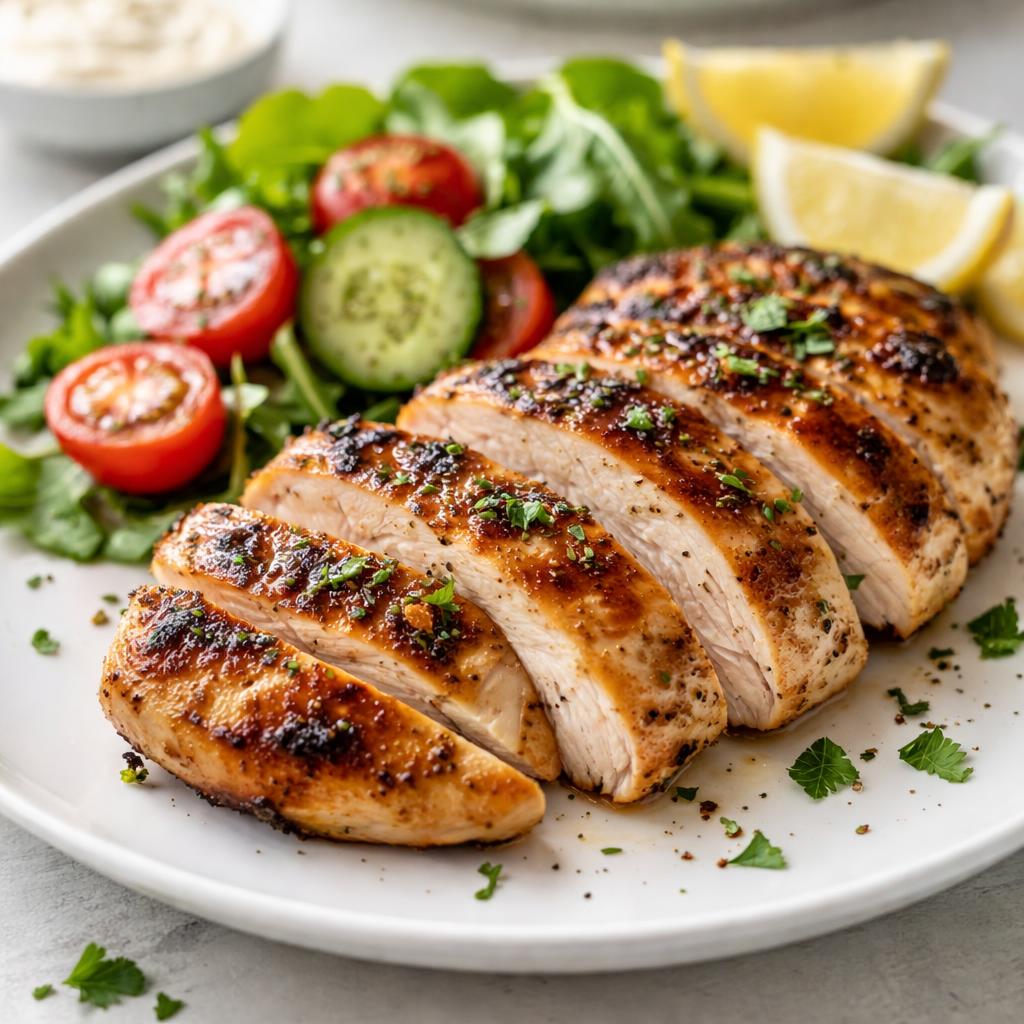
Chicken
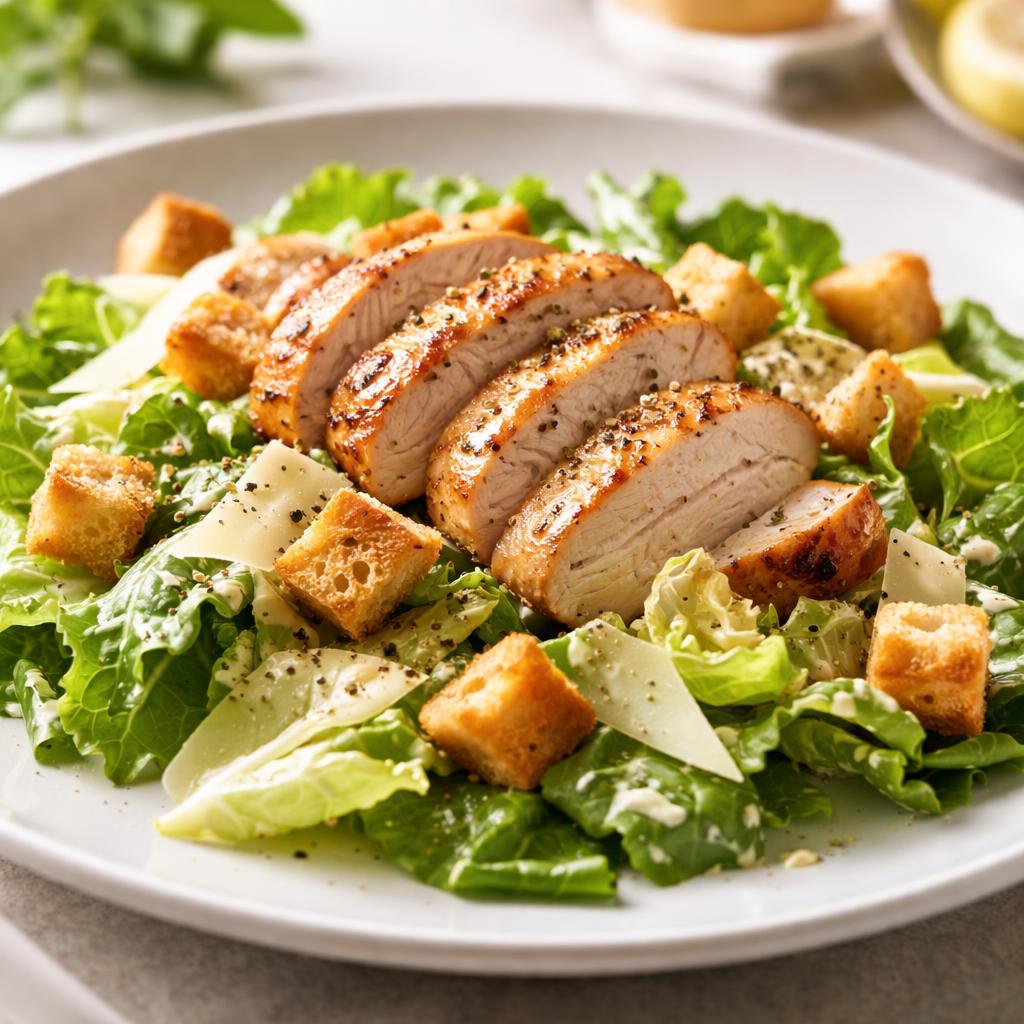
Chicken Caesar Salad
🎯 Quick Verdict
Chicken provides more protein and fewer calories compared to chicken caesar salad, making it ideal for weight loss and muscle building. The chicken caesar salad delivers more fiber, healthy fats, and a variety of nutrients, making it better for a balanced meal and nutrient density. Choose based on your dietary needs and meal timing preferences.

Smart Nutrition Tracking with SnapCalorie

📊 Nutritional Comparison
Macronutrients
| Nutrient | Food 1 | Food 2 | Winner |
|---|---|---|---|
| Calories | 165 per 100g | 230 per 1 cup | ✓ |
| Protein | 31g per 100g | 15g per 1 cup | ✓ |
| Carbs | 0g per 100g | 8g per 1 cup | ✓ |
| Fat | 3.6g per 100g | 16g per 1 cup | ✓ |
| Fiber | 0g per 100g | 2g per 1 cup | ✓ |
Vitamins & Minerals
| Nutrient | Food 1 | Food 2 | Winner |
|---|---|---|---|
| Vitamin D | 0.2mcg per 100g | 1mcg per 1 cup | ✓ |
| Calcium | 13mg per 100g | 100mg per 1 cup | ✓ |
| Iron | 1.3mg per 100g | 1mg per 1 cup | ✓ |
🏆 Category Winners
Protein
Chicken offers over twice as much protein as chicken caesar salad per serving.
Fiber
Chicken caesar salad includes vegetables, delivering 2g of fiber.
Calories
Chicken has significantly fewer calories per serving (165 vs 230).
Vitamins
The salad provides more vitamin D and calcium due to dressing and vegetable content.
🥗 Diet Compatibility
Keto
Food 1: Compatible
Food 2: Moderately compatible
Chicken is extremely low carb, whereas the salad contains some carbs from croutons.
Vegan
Food 1: Not compatible
Food 2: Not compatible
Both contain animal products.
Gluten Free
Food 1: Compatible
Food 2: Not compatible
Chicken is naturally gluten-free; croutons in the salad are not.
Paleo
Food 1: Compatible
Food 2: Not compatible
Chicken fits paleo guidelines, while the dressing and croutons do not.
Low Carb
Food 1: Compatible
Food 2: Moderately compatible
Chicken has 0g carbs, while the caesar salad has 8g per serving.
💪 Health Benefits Comparison
Food 1 Benefits
- High in lean protein for muscle growth and repair.
- Low in calories, aiding weight management.
- Rich in selenium, supporting immune function.
Food 2 Benefits
- Provides fiber for digestive health.
- Contains healthy fats from dressing for heart health.
- Offers vitamin D and calcium for bone strength.
✅ The Bottom Line
Choose chicken if you need a high-protein, low-calorie option for muscle building or weight loss. Opt for chicken caesar salad as a balanced meal with fiber, healthy fats, and broader nutrients for overall health.
Choose Food 1 for: Weight loss, high-protein diets, post-workout meals
Choose Food 2 for: Balanced meals, digestive health, nutrient density


