Chicken VS Cheese Stick
A detailed nutritional comparison
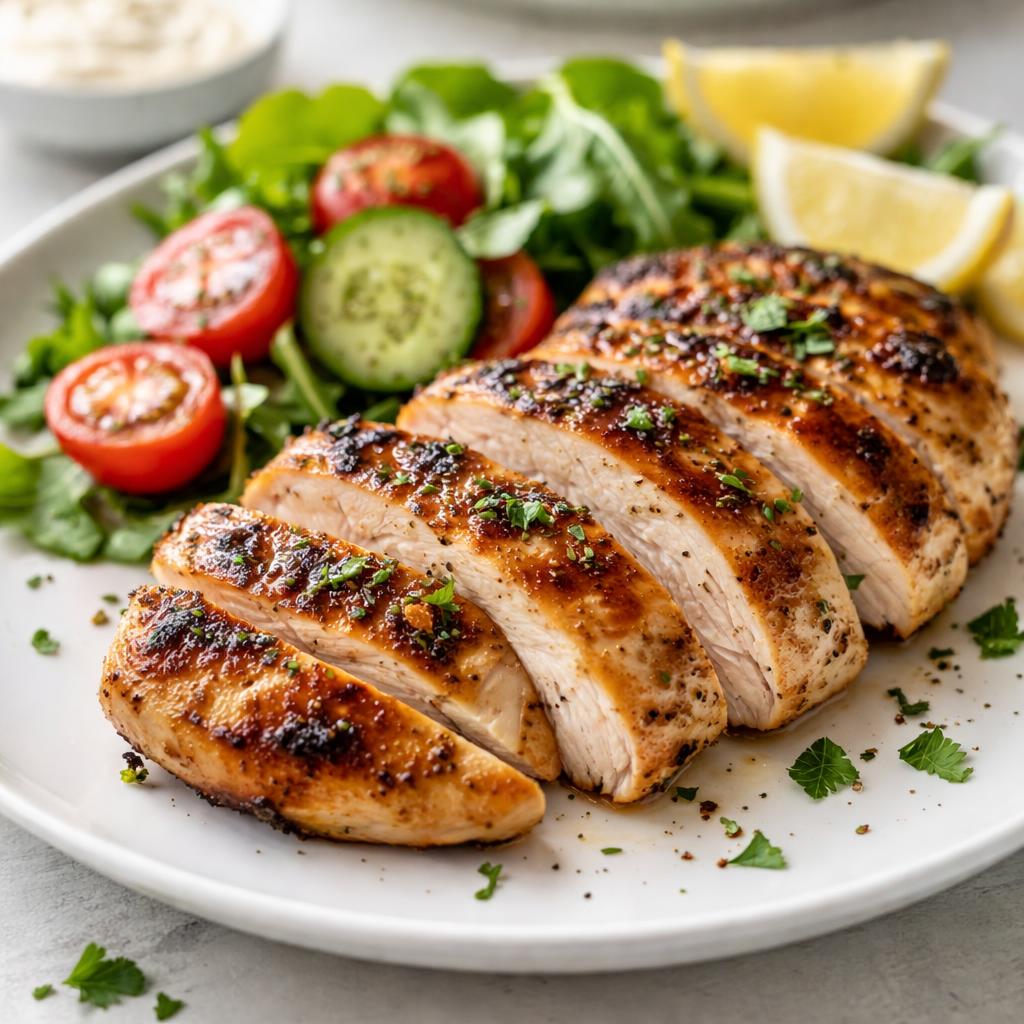
Chicken
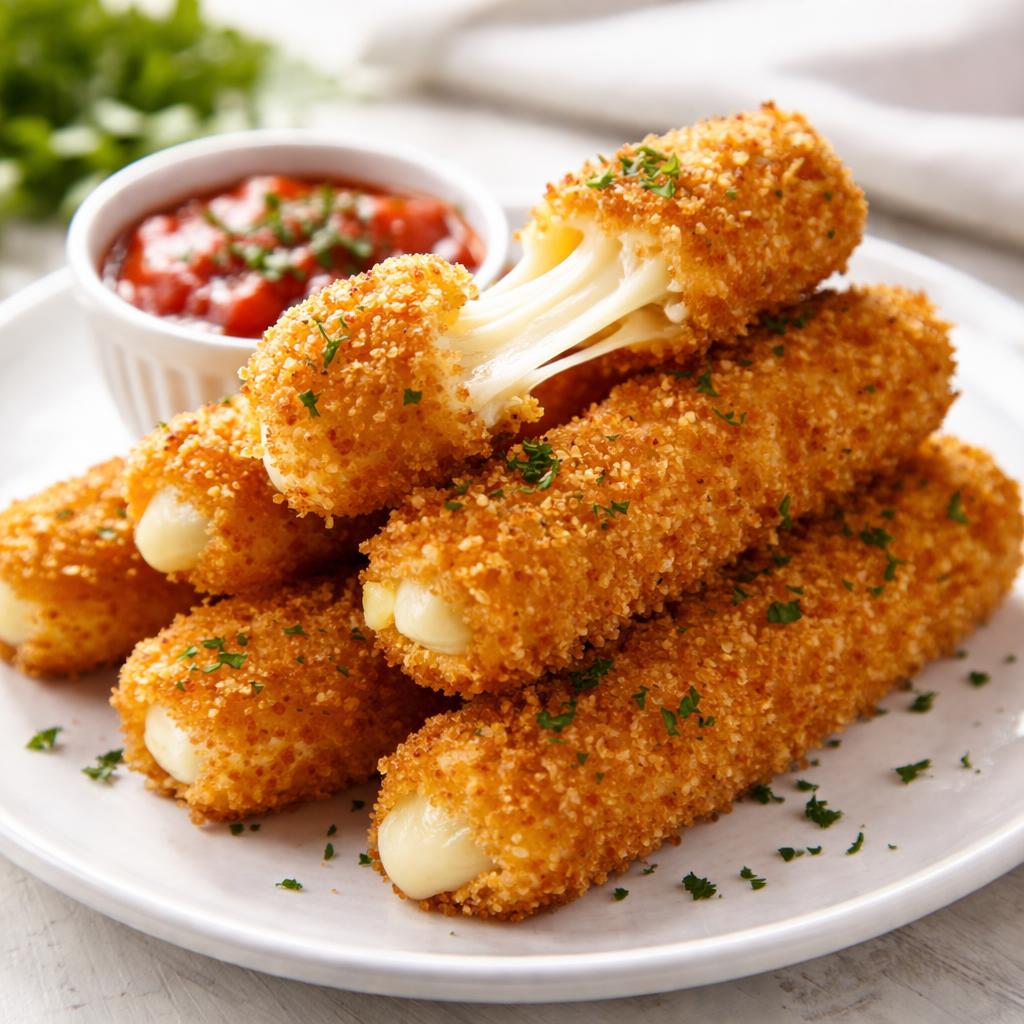
Cheese Stick
🎯 Quick Verdict
Chicken is significantly higher in protein with fewer calories and carbs compared to a cheese stick, making it ideal for weight loss and muscle-building diets. Cheese sticks, on the other hand, provide more fat and calcium, and serve as a convenient snack option rich in energy and nutrients for sustained energy throughout the day.

Smart Nutrition Tracking with SnapCalorie

📊 Nutritional Comparison
Macronutrients
| Nutrient | Food 1 | Food 2 | Winner |
|---|---|---|---|
| Calories | 165 | 80 | ✓ |
| Protein | 31g | 7g | ✓ |
| Carbs | 0g | 1g | ✓ |
| Fat | 3.6g | 6g | ✓ |
| Fiber | 0g | 0g | − |
Vitamins & Minerals
| Nutrient | Food 1 | Food 2 | Winner |
|---|---|---|---|
| Vitamin D | 15 IU | 25 IU | ✓ |
| Calcium | 11mg | 200mg | ✓ |
| Iron | 1mg | 0mg | ✓ |
🏆 Category Winners
Protein
Food1 (chicken) delivers 4x the protein compared to a cheese stick.
Fiber
Neither food provides dietary fiber.
Calories
Food2 (cheese stick) is lower in calories by roughly 50% per serving.
Vitamins
Cheese stick is rich in calcium and vitamin D, ideal for bone health.
🥗 Diet Compatibility
Keto
Food 1: Compatible
Food 2: Compatible
Both are low in carbs, fitting ketogenic guidelines.
Vegan
Food 1: Not Compatible
Food 2: Not Compatible
Both are animal-derived products.
Gluten Free
Food 1: Compatible
Food 2: Compatible
Neither contains gluten.
Paleo
Food 1: Compatible
Food 2: Not Compatible
Chicken aligns with paleo principles, while cheese is not typically considered paleo.
Low-Carb
Food 1: Compatible
Food 2: Compatible
Both foods are virtually carb-free.
💪 Health Benefits Comparison
Food 1 Benefits
- Excellent source of lean protein for muscle growth
- Low in fat, supporting weight loss diets
- Contains iron, which supports oxygen transport in blood
Food 2 Benefits
- Rich in calcium for strong bones and teeth
- Source of healthy fats for sustained energy
- Includes vitamin D for improved calcium absorption
✅ The Bottom Line
Choose chicken for a high-protein, low-calorie option beneficial for weight loss and muscle maintenance. Opt for cheese sticks for a convenient calcium-rich snack that provides healthy fats and sustained energy.
Choose Food 1 for: Weight loss, muscle building, meal prep protein source
Choose Food 2 for: Portable snack, bone health, high-energy diets


