Chicken VS Baby Spinach
A detailed nutritional comparison
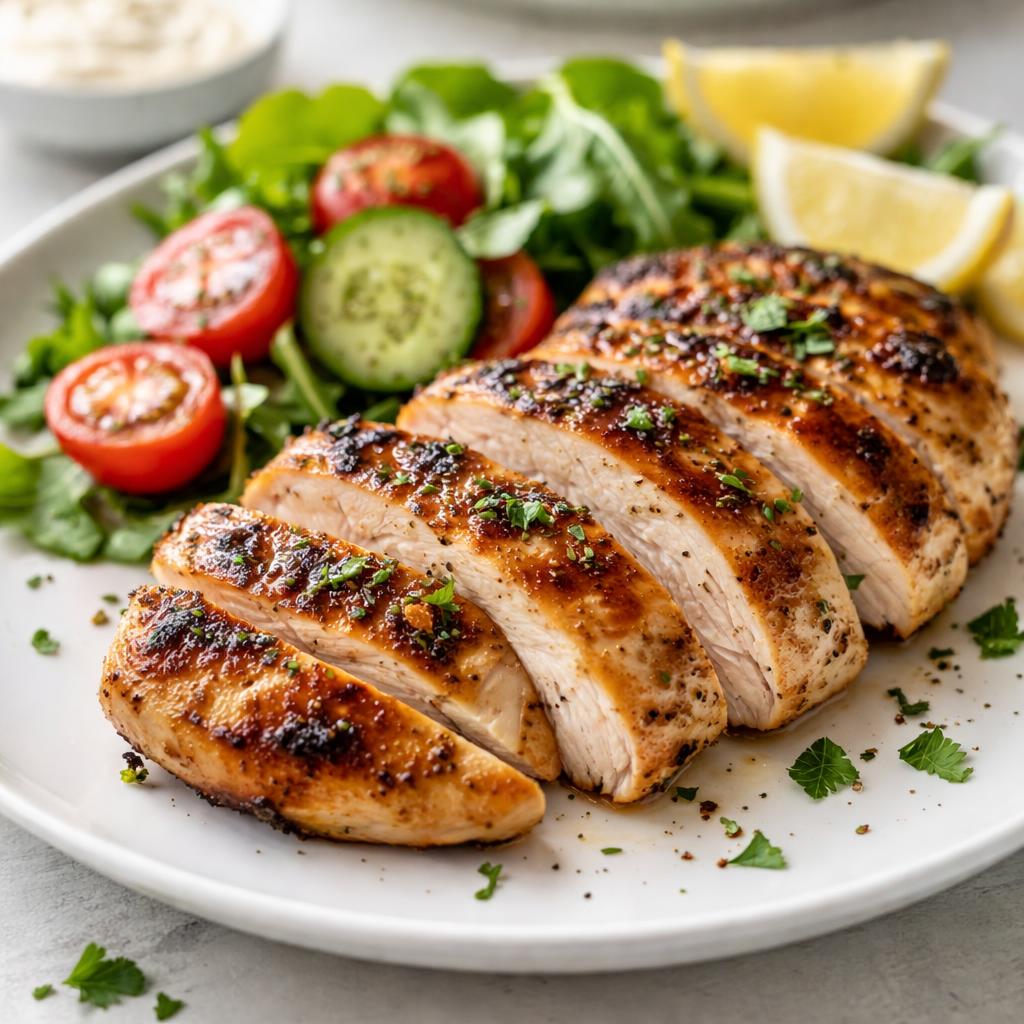
Chicken
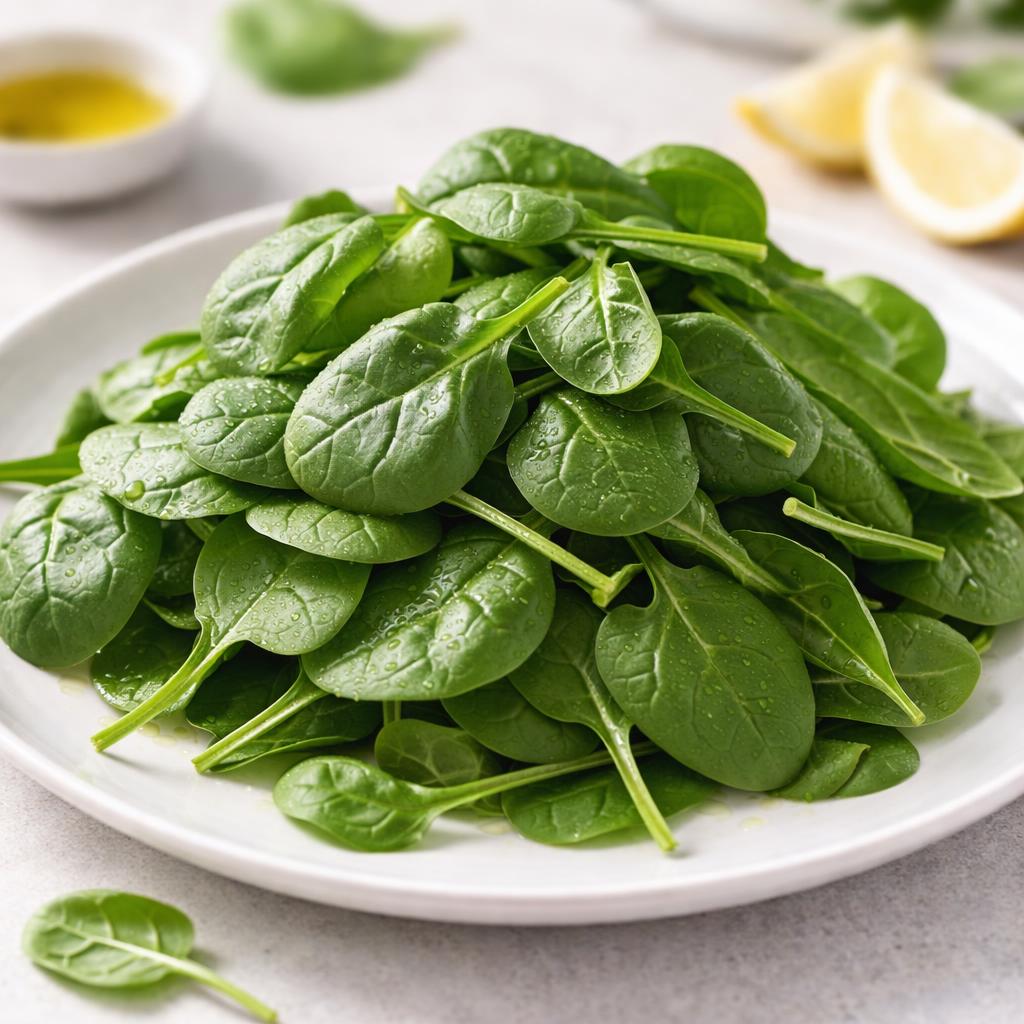
Baby Spinach
🎯 Quick Verdict
Chicken is a protein powerhouse with 27g per 100g serving, making it ideal for muscle repair and growth. Baby spinach, on the other hand, is nutrient-dense and low-calorie with only 23 calories per 100g while offering abundant fiber and vitamins. Choosing between the two depends on your dietary goals, with chicken excelling in protein and spinach excelling in vitamins and fiber.

Smart Nutrition Tracking with SnapCalorie

📊 Nutritional Comparison
Macronutrients
| Nutrient | Food 1 | Food 2 | Winner |
|---|---|---|---|
| Calories | 165 | 23 | ✓ |
| Protein | 27g | 2.9g | ✓ |
| Carbs | 0g | 3.6g | ✓ |
| Fat | 3.6g | 0.4g | ✓ |
| Fiber | 0g | 2.2g | ✓ |
Vitamins & Minerals
| Nutrient | Food 1 | Food 2 | Winner |
|---|---|---|---|
| Vitamin A | 13mcg | 9377mcg | ✓ |
| Vitamin C | 0mg | 28.1mg | ✓ |
| Calcium | 12mg | 99mg | ✓ |
| Iron | 0.9mg | 2.7mg | ✓ |
🏆 Category Winners
Protein
Chicken provides 9x the protein per serving compared to spinach.
Fiber
Baby spinach has 2.2g of fiber while chicken has none.
Calories
Spinach is significantly lower in calories, with only 23 calories per 100g.
Vitamins
Spinach is rich in vitamin A, vitamin C, calcium, and iron, far surpassing chicken.
🥗 Diet Compatibility
Keto
Food 1: Compatible
Food 2: Compatible
Both chicken and spinach are low-carb.
Vegan
Food 1: Not Compatible
Food 2: Compatible
Chicken is animal-based, spinach is plant-based.
Gluten Free
Food 1: Compatible
Food 2: Compatible
Neither contains gluten.
Paleo
Food 1: Compatible
Food 2: Compatible
Both fit within paleo guidelines.
Low-Carb
Food 1: Compatible
Food 2: Compatible
Both are naturally low in carbohydrates.
💪 Health Benefits Comparison
Food 1 Benefits
- High-quality protein for muscle repair and growth
- Low in carbohydrates for weight management
- Rich in selenium for antioxidant defense
- Contains niacin and vitamin B6 for energy metabolism
Food 2 Benefits
- Low-calorie and nutrient-dense for weight loss
- High in fiber for improved digestion
- Rich in vitamin A for healthy vision and skin
- Good source of iron for oxygen transport in the blood
✅ The Bottom Line
Choose chicken when prioritizing protein intake, such as for athletic recovery or muscle building. Opt for spinach for overall nutrient density, low-calorie content, and fiber, making it ideal for weight-loss diets and boosting overall health.
Choose Food 1 for: High-protein diets, post-workout recovery, keto-friendly meals
Choose Food 2 for: Weight loss, nutrient-rich salads, vegan-friendly dishes


