Chicken VS Baby Corn
A detailed nutritional comparison
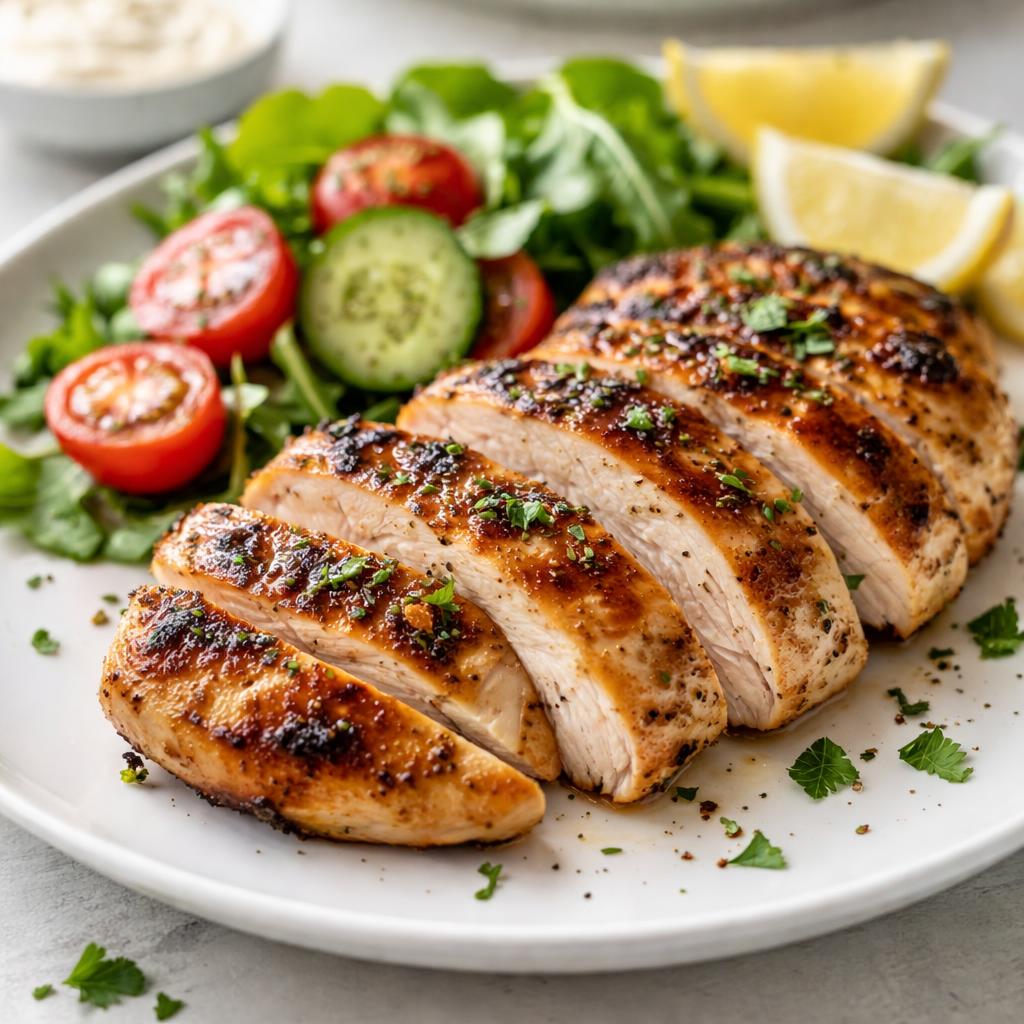
Chicken
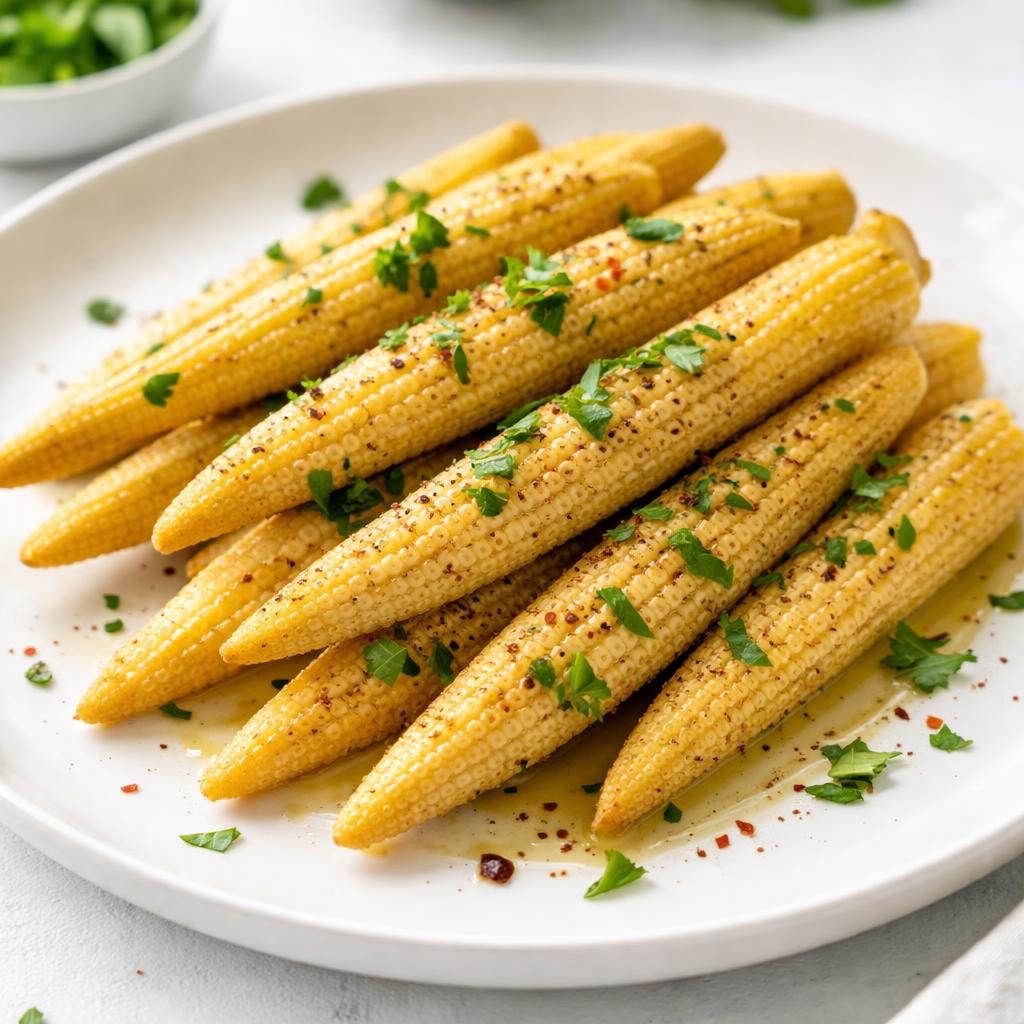
Baby Corn
🎯 Quick Verdict
Chicken is significantly higher in protein and lower in fiber compared to baby corn, making it a preferred choice for high-protein diets or post-workout meals. On the other hand, baby corn is lower in calories and offers more dietary fiber, making it ideal for those seeking a low-calorie, nutrient-dense option for digestion and satiety support.

Smart Nutrition Tracking with SnapCalorie

📊 Nutritional Comparison
Macronutrients
| Nutrient | Food 1 | Food 2 | Winner |
|---|---|---|---|
| Calories | 165 | 25 | ✓ |
| Protein | 31g | 2g | ✓ |
| Carbs | 0g | 5g | ✓ |
| Fat | 3.5g | 0.2g | ✓ |
| Fiber | 0g | 2g | ✓ |
Vitamins & Minerals
| Nutrient | Food 1 | Food 2 | Winner |
|---|---|---|---|
| Vitamin A | 0mcg | 187mcg | ✓ |
| Vitamin C | 0mg | 6mg | ✓ |
| Calcium | 15mg | 40mg | ✓ |
| Iron | 1mg | 0.5mg | ✓ |
🏆 Category Winners
Protein
Chicken contains 31g of protein per serving, compared to 2g in baby corn.
Fiber
Baby corn has 2g of fiber per serving, while chicken has none.
Calories
Baby corn is extremely low in calories (25 calories per serving) versus chicken's 165 calories.
Vitamins
Baby corn outshines chicken in vitamins A, C, and calcium, offering a better nutrient profile for micronutrients.
🥗 Diet Compatibility
Keto
Food 1: Compatible
Food 2: Compatible
Chicken is zero-carb, while baby corn is low-carb at 5g carbs per serving.
Vegan
Food 1: Not Compatible
Food 2: Compatible
Baby corn is plant-based, while chicken is animal-derived.
Gluten Free
Food 1: Compatible
Food 2: Compatible
Both chicken and baby corn are naturally gluten-free.
Paleo
Food 1: Compatible
Food 2: Compatible
Both are unprocessed and allowed in a paleo diet.
Low Carb
Food 1: Compatible
Food 2: Compatible
Chicken is carb-free, and baby corn is a low-carb vegetable option.
💪 Health Benefits Comparison
Food 1 Benefits
- Rich source of complete protein for muscle growth and repair
- Low in carbs, suitable for keto and low-carb diets
- Contains iron for oxygen transport in the blood
Food 2 Benefits
- High in dietary fiber to improve digestion and promote fullness
- Low calorie content for weight management
- Rich in vitamins A and C for immunity and eye health
✅ The Bottom Line
Chicken is a high-protein, low-carb option ideal for those prioritizing muscle gain or post-workout recovery. Baby corn, on the other hand, is a nutrient-dense, low-calorie vegetable that provides a good source of fiber and vitamins, making it perfect for calorie-conscious diets or vegan meals.
Choose Food 1 for: High-protein diets, muscle recovery, keto-friendly meals
Choose Food 2 for: Low-calorie diets, vegan recipes, fiber-rich options


