Chicken VS Arugula Salad
A detailed nutritional comparison
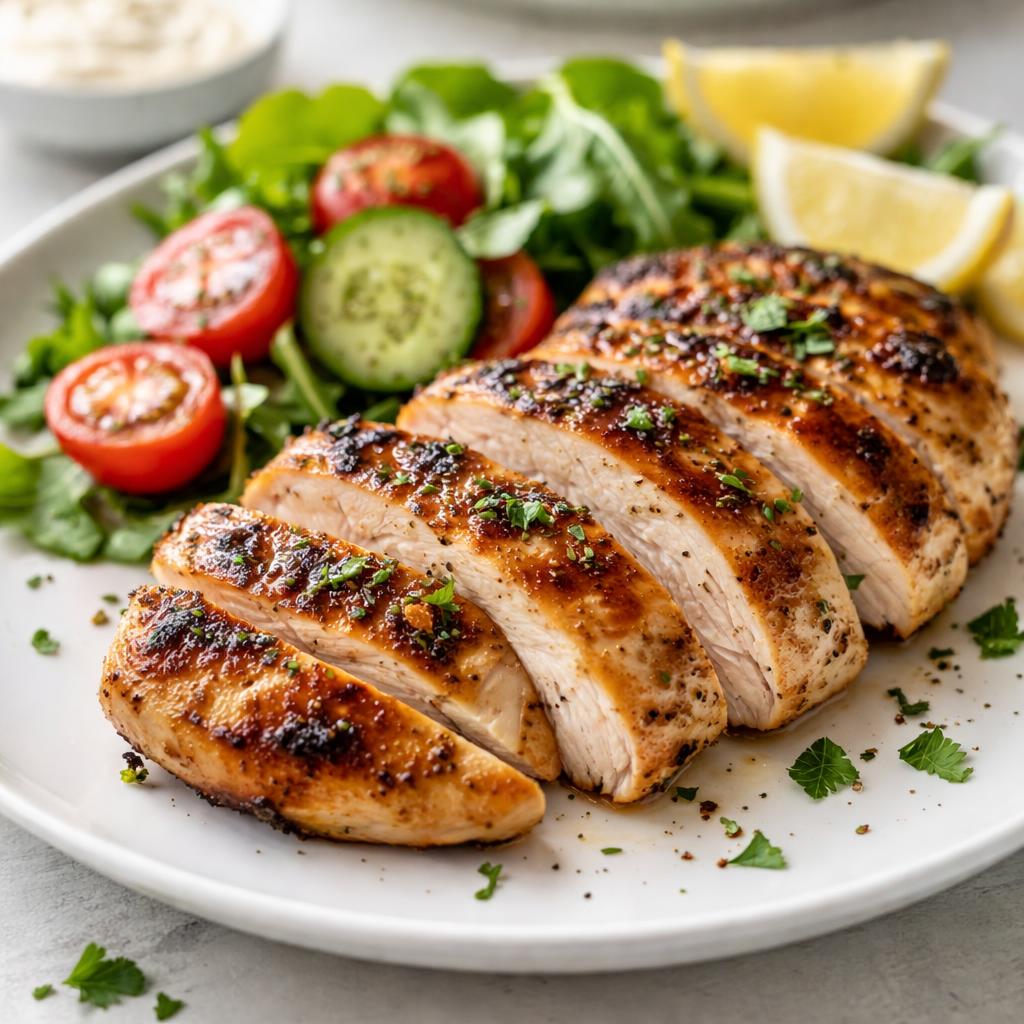
Chicken
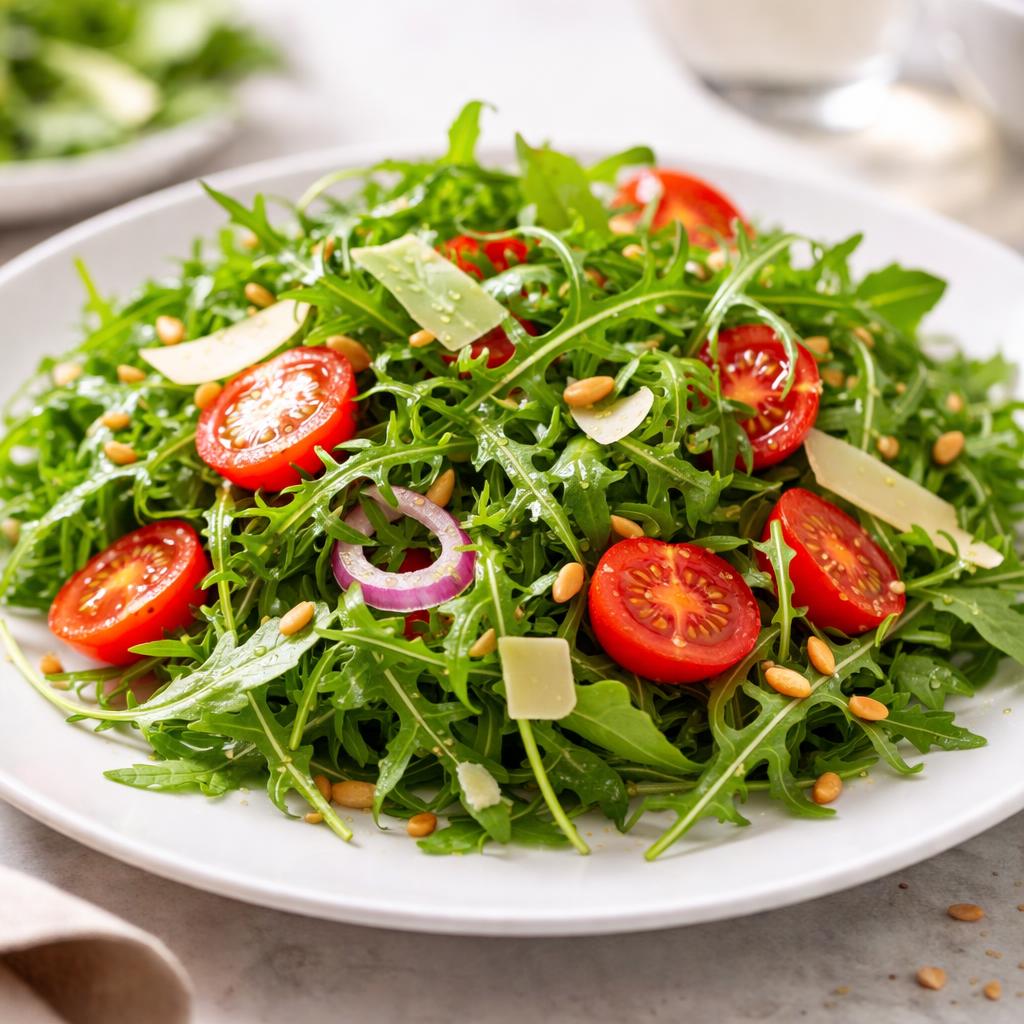
Arugula Salad
🎯 Quick Verdict
Chicken is significantly higher in protein and lower in carbohydrates compared to arugula salad, making it ideal for muscle maintenance and low-carb diets. Arugula salad is lower in calories and higher in fiber, making it a great choice for light meals, digestion, and overall nutrient density. Both have specific best use cases depending on dietary goals.

Smart Nutrition Tracking with SnapCalorie

📊 Nutritional Comparison
Macronutrients
| Nutrient | Food 1 | Food 2 | Winner |
|---|---|---|---|
| Calories | 165 (per 100g) | 25 (per 100g) | ✓ |
| Protein | 31g | 2.6g | ✓ |
| Carbs | 0g | 3.6g | ✓ |
| Fat | 3.6g | 0.7g | ✓ |
| Fiber | 0g | 1.6g | ✓ |
Vitamins & Minerals
| Nutrient | Food 1 | Food 2 | Winner |
|---|---|---|---|
| Vitamin A | 50 IU | 1427 IU | ✓ |
| Vitamin C | 0mg | 15mg | ✓ |
| Iron | 0.9mg | 1.5mg | ✓ |
🏆 Category Winners
Protein
Chicken is packed with 31g of protein per 100g, which is 12x more than arugula.
Fiber
Arugula salad provides 1.6g of fiber per serving, while chicken has none.
Calories
At just 25 calories per 100g, arugula salad is significantly lighter than chicken.
Vitamins
Arugula is richer in vitamins like A and C, essential for immunity and skin health.
🥗 Diet Compatibility
Keto
Food 1: Compatible
Food 2: Compatible
Both foods are low in carbs and fit keto guidelines.
Vegan
Food 1: Not Compatible
Food 2: Compatible
Arugula salad is plant-based; chicken is an animal product.
Gluten Free
Food 1: Compatible
Food 2: Compatible
Neither contains gluten.
Paleo
Food 1: Compatible
Food 2: Compatible
Both foods align with paleo eating principles.
Low Carbohydrate
Food 1: Compatible
Food 2: Compatible
Both are low in carbohydrates, ideal for low-carb diets.
💪 Health Benefits Comparison
Food 1 Benefits
- Excellent source of high-quality protein for muscle growth and repair
- Low in carbs, perfect for low-carb or keto diets
- Contains selenium and phosphorus for bone health and antioxidant benefits
Food 2 Benefits
- High in fiber, supporting digestion and gut health
- Rich in vitamins A and C for skin health and immunity
- Low in calories, making it ideal for weight-loss diets
✅ The Bottom Line
Chicken is the superior choice for those prioritizing protein intake, low-carb diets, or post-workout meals. On the other side, arugula salad shines in nutrient density, fiber content, and calorie management, making it ideal for lighter meals and healthy digestion. Both complement different diet goals effectively.
Choose Food 1 for: Protein-heavy diets, muscle building, post-workout recovery
Choose Food 2 for: Light meals, weight loss, high-fiber diets, nutrient density


