Cherry Tomatoes VS Dressing
A detailed nutritional comparison
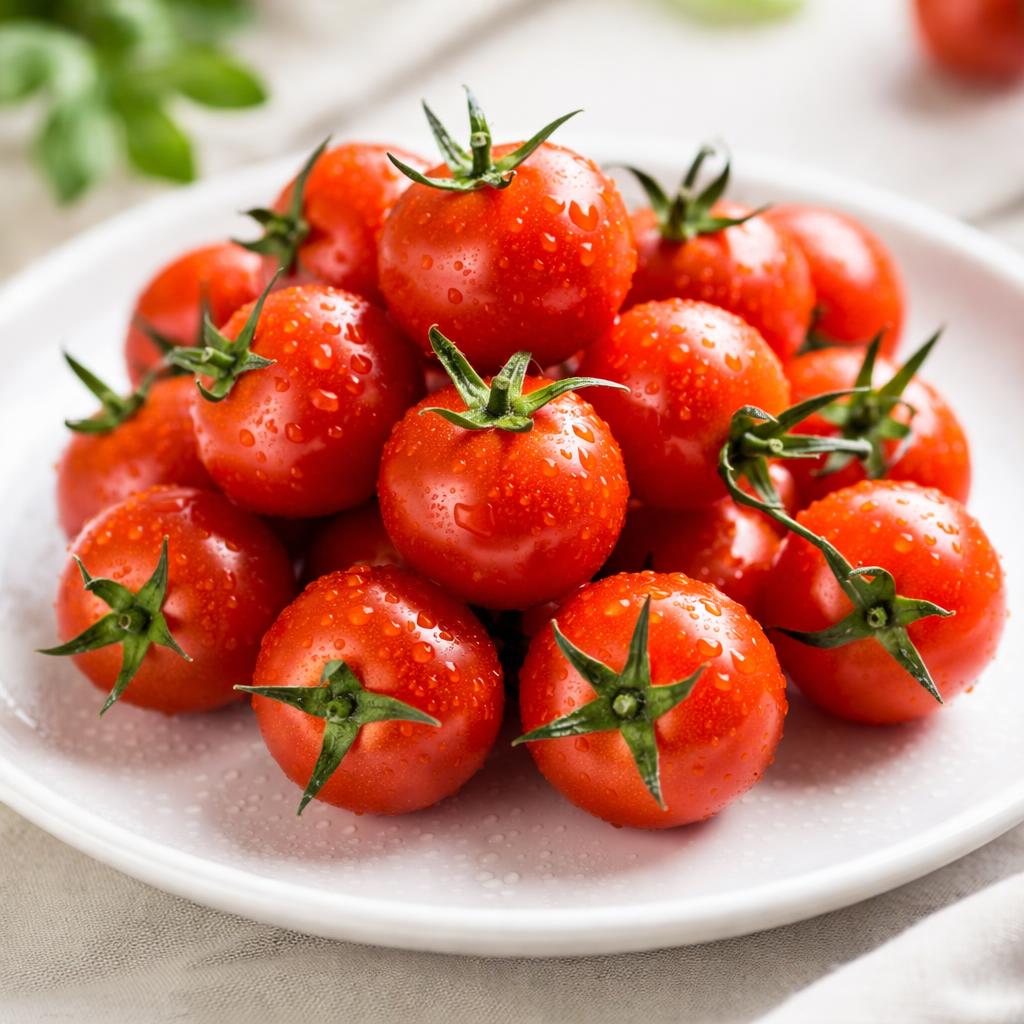
Cherry Tomatoes
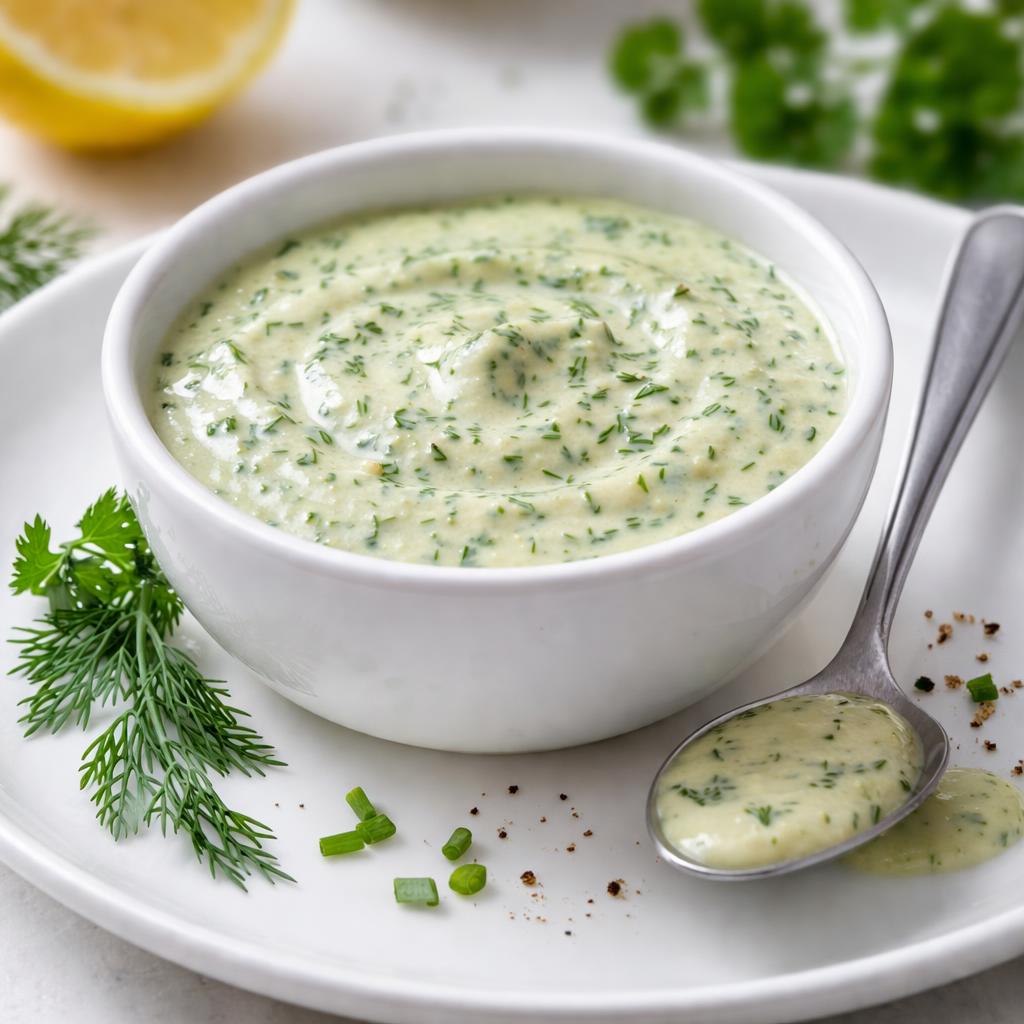
Dressing
🎯 Quick Verdict
Cherry tomatoes (food1) are nutrient-dense with lower calories, higher fiber, and more vitamins compared to dressing (food2), which is calorie-heavy but often packed with healthy fats and flavors. Cherry tomatoes are best as a low-calorie, nutrient-rich snack, while dressing is great for enhancing salads and dishes when used sparingly.

Smart Nutrition Tracking with SnapCalorie

📊 Nutritional Comparison
Macronutrients
| Nutrient | Food 1 | Food 2 | Winner |
|---|---|---|---|
| Calories | 18 per 100g | 120 per 2 tbsp (30g) | ✓ |
| Protein | 0.9g per 100g | 0.5g per 2 tbsp | − |
| Carbs | 3.9g per 100g | 2g per 2 tbsp | ✓ |
| Fat | 0.2g per 100g | 11g per 2 tbsp | ✓ |
| Fiber | 1.2g per 100g | 0g per 2 tbsp | ✓ |
Vitamins & Minerals
| Nutrient | Food 1 | Food 2 | Winner |
|---|---|---|---|
| Vitamin C | 13.7mg per 100g | 0mg per 2 tbsp | ✓ |
| Vitamin A | 833 IU per 100g | 500 IU per 2 tbsp | ✓ |
| Vitamin K | 7.9mcg per 100g | 15mcg per 2 tbsp | ✓ |
🏆 Category Winners
Protein
Both foods have very minimal protein content.
Fiber
Cherry tomatoes provide 1.2g of fiber per serving, while dressing has no fiber.
Calories
Cherry tomatoes are far lower in calories at just 18 calories per 100g.
Vitamins
Cherry tomatoes offer significantly more Vitamin C and Vitamin A.
🥗 Diet Compatibility
Keto
Food 1: Compatible
Food 2: Compatible
Both foods are keto-friendly with low net carbs.
Vegan
Food 1: Compatible
Food 2: Food-specific
Cherry tomatoes are vegan, while some dressings may contain animal products like cream or egg.
Gluten Free
Food 1: Compatible
Food 2: Food-specific
Cherry tomatoes are inherently gluten-free, but some dressings may contain hidden gluten.
Paleo
Food 1: Compatible
Food 2: Food-specific
Cherry tomatoes are paleo-friendly, but dressing depends on individual ingredients (processed oils may disqualify some brands).
Low Carb
Food 1: Compatible
Food 2: Compatible
Both foods are low in carbohydrates and suitable for low-carb diets.
💪 Health Benefits Comparison
Food 1 Benefits
- Rich in antioxidants, including lycopene, to combat oxidative stress.
- High in vitamin C for immunity and skin health.
- Provides dietary fiber for improved digestion.
- Low-calorie food great for weight management.
Food 2 Benefits
- Contains healthy fats, such as omega-3s (depending on ingredients), which support heart health.
- Enhances flavor of dishes, encouraging increased consumption of vegetables.
- Vitamin K for bone health and blood clotting.
- May contain herbs or spices with anti-inflammatory properties.
✅ The Bottom Line
Choose cherry tomatoes for nutrient density, lower calorie content, and fiber if you're looking for a nutritious snack or a salad add-on. Dressing, while higher in calories and fat, can be a great way to enhance flavor and provide healthy fats if chosen wisely. Moderation is key for dressing usage in calorie-conscious diets.
Choose Food 1 for: Low-calorie diets, snacks, and nutrient-rich dishes.
Choose Food 2 for: Salad enhancement, adding healthy fats and flavor to meals.


