Cheese VS Spaghetti Squash
A detailed nutritional comparison
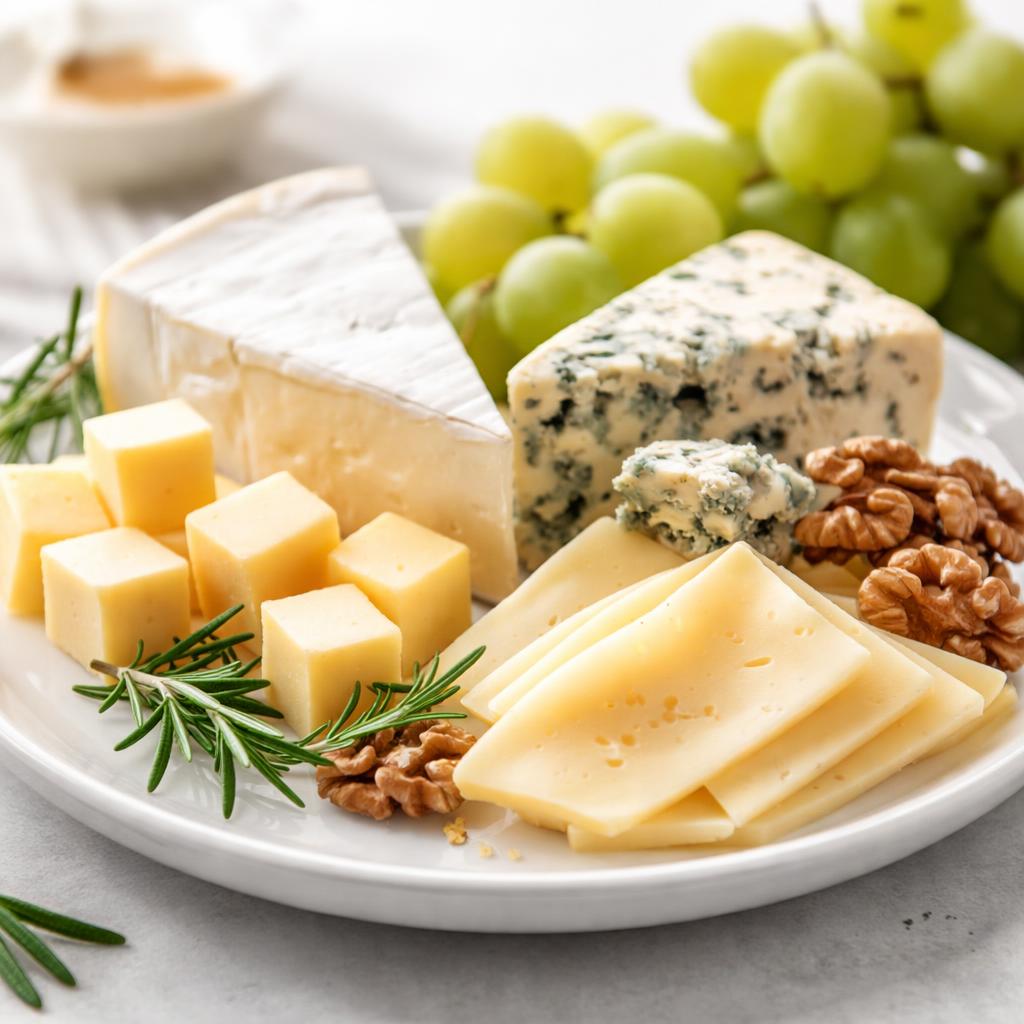
Cheese
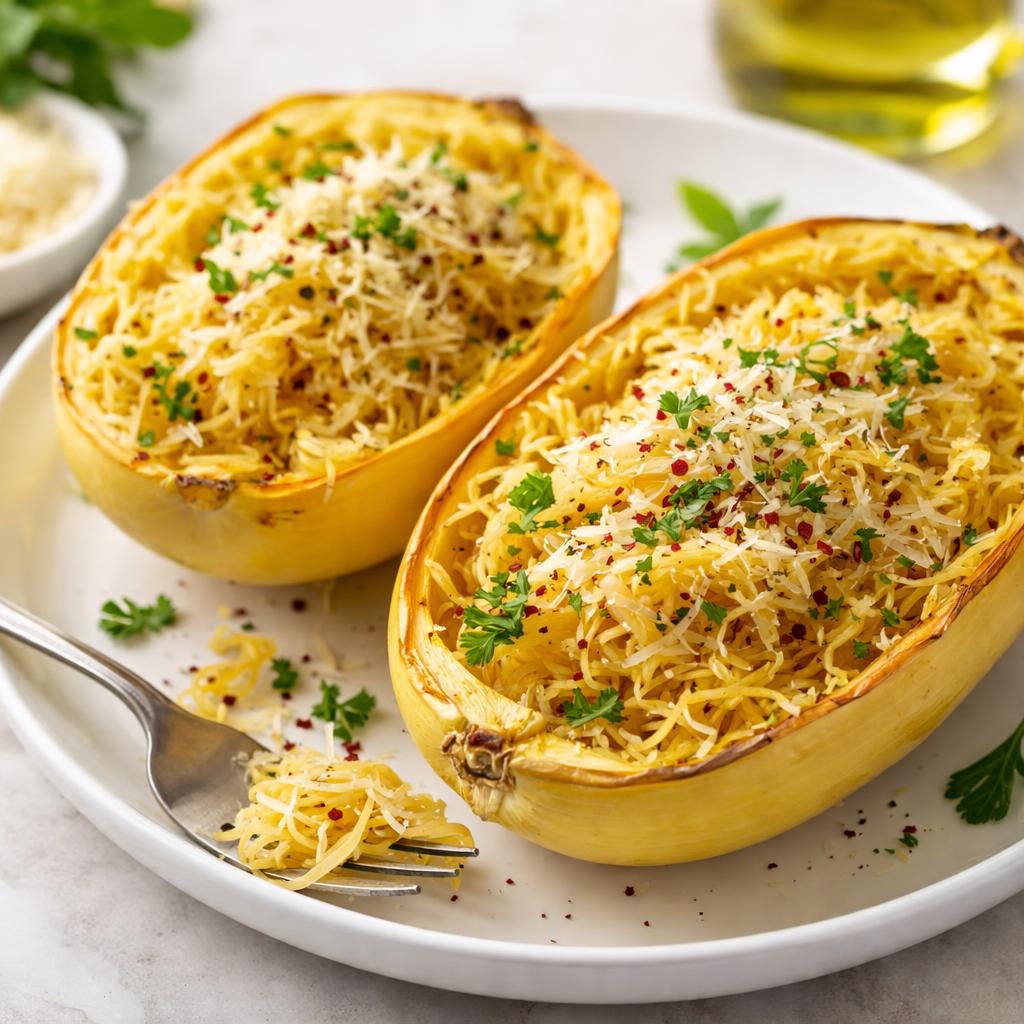
Spaghetti Squash
🎯 Quick Verdict
Cheese is high in protein, calcium, and fats but calorically dense, making it ideal for those requiring energy and muscle-building nutrients. Spaghetti squash is low-calorie, high in fiber, and a nutrient-rich option, suited for weight loss and digestive health. Both foods cater to different dietary needs and preferences.

Smart Nutrition Tracking with SnapCalorie

📊 Nutritional Comparison
Macronutrients
| Nutrient | Food 1 | Food 2 | Winner |
|---|---|---|---|
| Calories | 113 (per ounce) | 42 (per cup cooked) | ✓ |
| Protein | 6.4g (per ounce) | 1g (per cup cooked) | ✓ |
| Carbs | 1g (per ounce) | 10g (per cup cooked) | ✓ |
| Fat | 9g (per ounce) | 0g (essentially fat-free) | ✓ |
| Fiber | 0g | 2.2g (per cup cooked) | ✓ |
Vitamins & Minerals
| Nutrient | Food 1 | Food 2 | Winner |
|---|---|---|---|
| Vitamin D | 0.4mcg (per ounce) | 0mcg | ✓ |
| Calcium | 150mg (per ounce) | 33mg (per cup cooked) | ✓ |
| Vitamin A | 315 IU (per ounce) | 80 IU (per cup cooked) | ✓ |
| Vitamin C | 0mg | 5.4mg (per cup cooked) | ✓ |
🏆 Category Winners
Protein
Cheese is an excellent source of protein with over 6g per ounce.
Fiber
Spaghetti squash delivers 2.2g of fiber per cup for digestive health.
Calories
Spaghetti squash is significantly lower in calories, making it ideal for weight control.
Vitamins
Spaghetti squash is rich in Vitamin C, supporting immunity and skin health.
🥗 Diet Compatibility
Keto
Food 1: Compatible
Food 2: Not Compatible
Cheese is high-fat and low-carb, suitable for keto diets, while spaghetti squash has too many carbs for strict keto.
Vegan
Food 1: Not Compatible
Food 2: Compatible
Cheese is a dairy product, whereas spaghetti squash is plant-based.
Gluten Free
Food 1: Compatible
Food 2: Compatible
Both foods are naturally gluten-free.
Paleo
Food 1: Not Compatible
Food 2: Compatible
Cheese is not allowed in paleo diets, while spaghetti squash is acceptable.
Low-Carb
Food 1: Compatible
Food 2: Not Compatible
Cheese contains very few carbs, while spaghetti squash has roughly 10g per cup, which is higher for low-carb focus.
💪 Health Benefits Comparison
Food 1 Benefits
- Rich source of protein for muscle maintenance
- Provides calcium for strong bones and teeth
- Contains Vitamin D which supports bone health
Food 2 Benefits
- Low in calories, suitable for weight management
- High in fiber, promotes digestive health
- Rich in Vitamin C, helpful for immunity and skin
✅ The Bottom Line
Cheese is a nutrient-dense option rich in protein and fats, ideal for keto or muscle-building diets. Spaghetti squash is better for low-calorie, nutrient-dense meals and promotes digestive health. Choose based on dietary goals: energy and protein vs low-calorie and fiber-rich options.
Choose Food 1 for: Keto diets, high-protein needs, energy-rich meals
Choose Food 2 for: Weight management, paleo diets, digestive health


