Cheese VS Spaghetti Carbonara
A detailed nutritional comparison
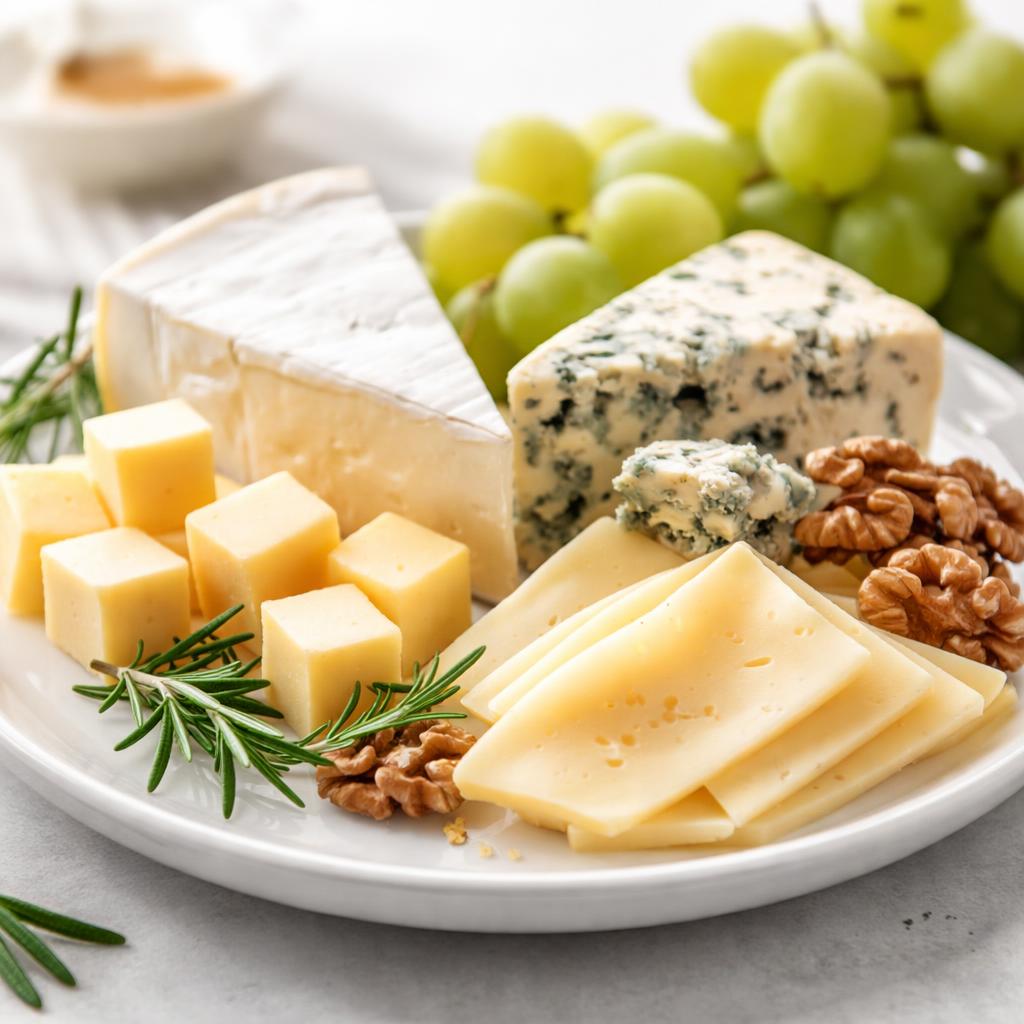
Cheese
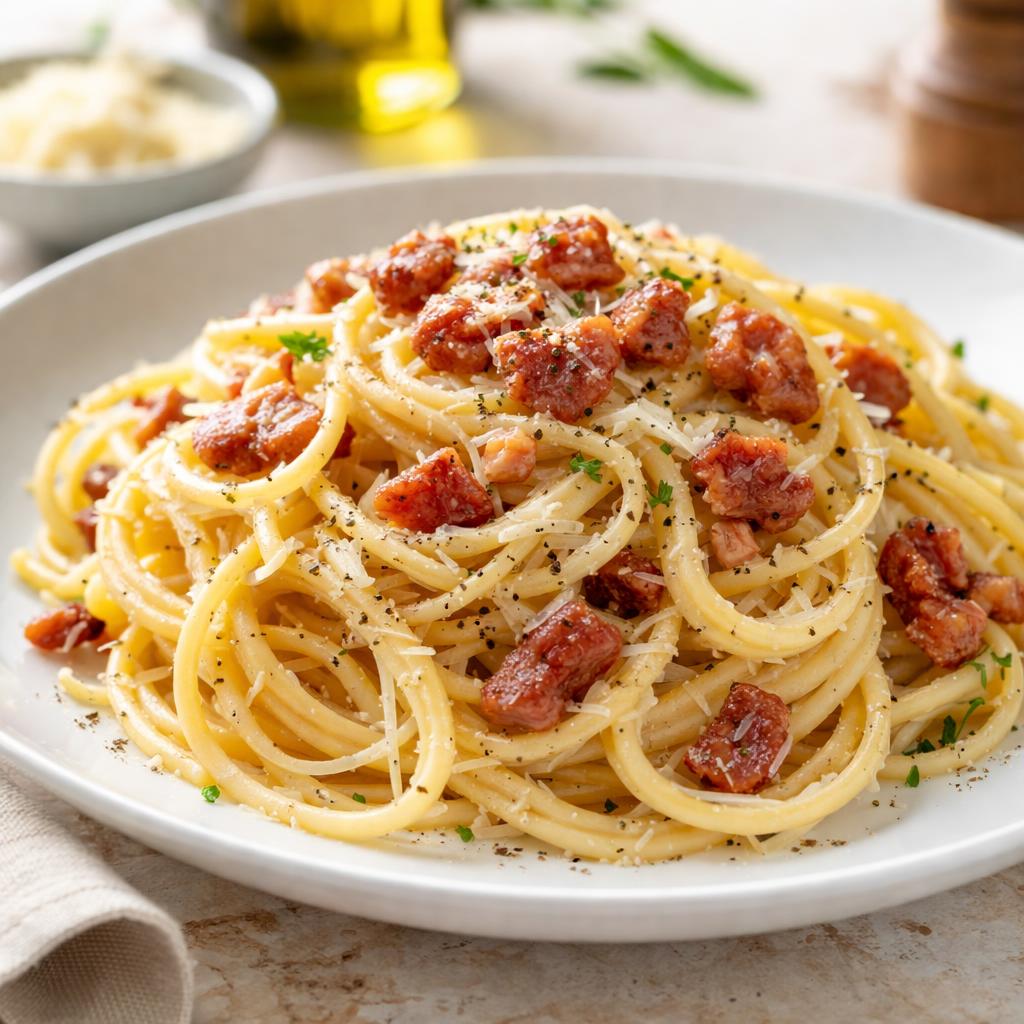
Spaghetti Carbonara
🎯 Quick Verdict
Cheese is a high-protein, lower-calorie food compared to spaghetti carbonara, providing better suitability for weight loss and low-carb diets. Spaghetti carbonara, on the other hand, offers more fiber and a diverse nutrient profile, making it ideal for a hearty, comforting meal.

Smart Nutrition Tracking with SnapCalorie

📊 Nutritional Comparison
Macronutrients
| Nutrient | Food 1 | Food 2 | Winner |
|---|---|---|---|
| Calories | 200 | 450 | ✓ |
| Protein | 15g | 12g | ✓ |
| Carbs | 2g | 35g | ✓ |
| Fat | 16g | 20g | ✓ |
| Fiber | 0g | 2g | ✓ |
Vitamins & Minerals
| Nutrient | Food 1 | Food 2 | Winner |
|---|---|---|---|
| Vitamin D | 0.25mcg | 0.4mcg | ✓ |
| Calcium | 500mg | 150mg | ✓ |
| Iron | 0.2mg | 1.5mg | ✓ |
| Vitamin B12 | 1.5mcg | 0.8mcg | ✓ |
🏆 Category Winners
Protein
Cheese contains 25% more protein per serving compared to spaghetti carbonara.
Fiber
Spaghetti carbonara provides 2g of fiber per serving, whereas cheese has no fiber.
Calories
Cheese contains 200 calories per serving, less than half the calories of spaghetti carbonara.
Vitamins
Both foods excel in different vitamins—cheese is high in calcium and B12, while spaghetti carbonara has slightly more vitamin D and iron.
🥗 Diet Compatibility
Keto
Food 1: Compatible
Food 2: Not Compatible
Cheese is high in fat and very low in carbs (2g), fitting keto guidelines.
Vegan
Food 1: Not Compatible
Food 2: Not Compatible
Both contain animal products (cheese and eggs in carbonara).
Gluten Free
Food 1: Compatible
Food 2: Not Compatible
Cheese is naturally gluten-free, while spaghetti carbonara contains wheat pasta.
Paleo
Food 1: Not Compatible
Food 2: Not Compatible
Cheese and spaghetti carbonara are excluded from paleo diets due to dairy and grains.
Low-Carb
Food 1: Compatible
Food 2: Not Compatible
Cheese is low-carb, while spaghetti carbonara has 35g of carbs per serving.
💪 Health Benefits Comparison
Food 1 Benefits
- Rich source of protein for muscle maintenance
- High in calcium for strong bones and teeth
- Contains vitamin B12 for red blood cell production
Food 2 Benefits
- Provides dietary fiber for digestion
- Contains iron for improved oxygen transport
- Offers healthy fats from eggs for satiety
✅ The Bottom Line
Cheese is an excellent option for those on low-carb or high-protein diets, while spaghetti carbonara is better suited for individuals seeking a filling, nutrient-dense meal with carbohydrates and fiber. Both foods have their benefits depending on dietary goals.
Choose Food 1 for: Low-carb diets, high-protein diets, keto-friendly recipes
Choose Food 2 for: Hearty meals, energy sustenance, balanced nutrient intake


