Cheese VS Spaghetti
A detailed nutritional comparison
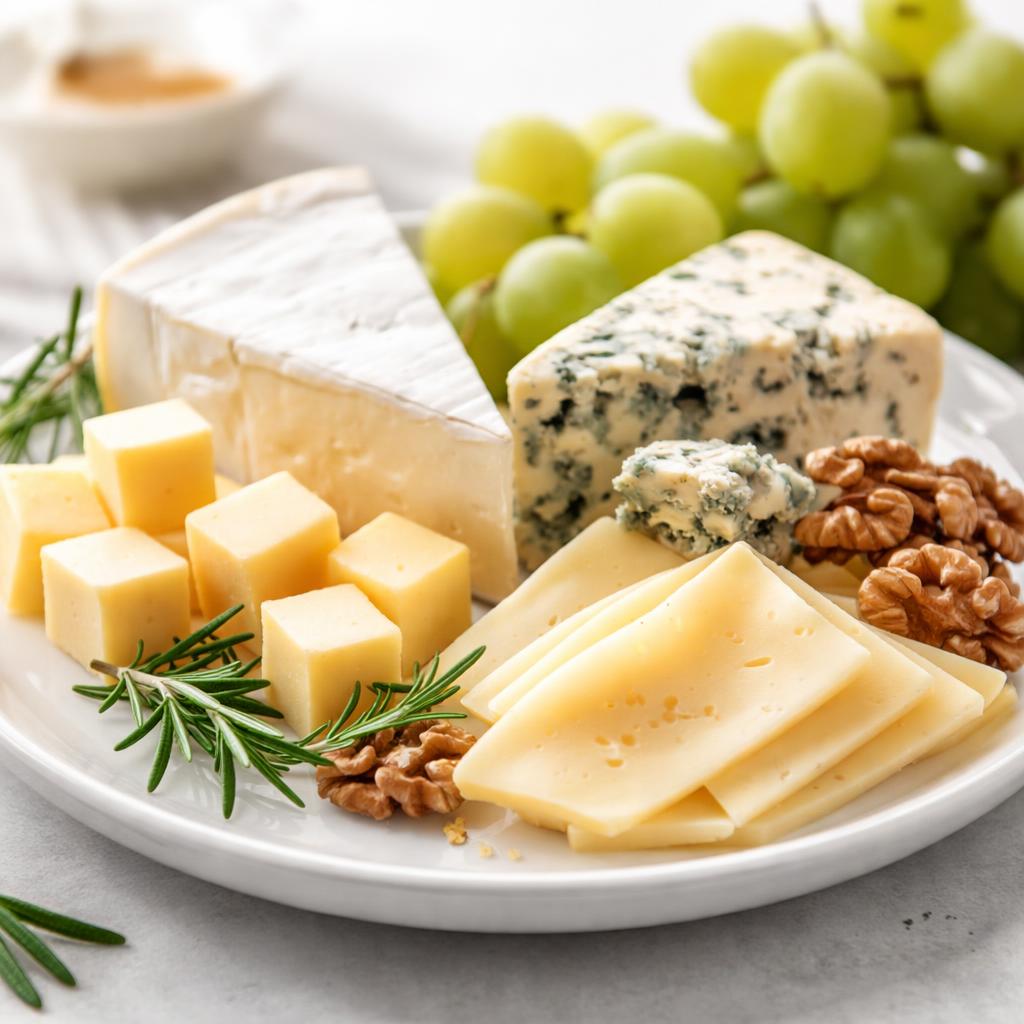
Cheese
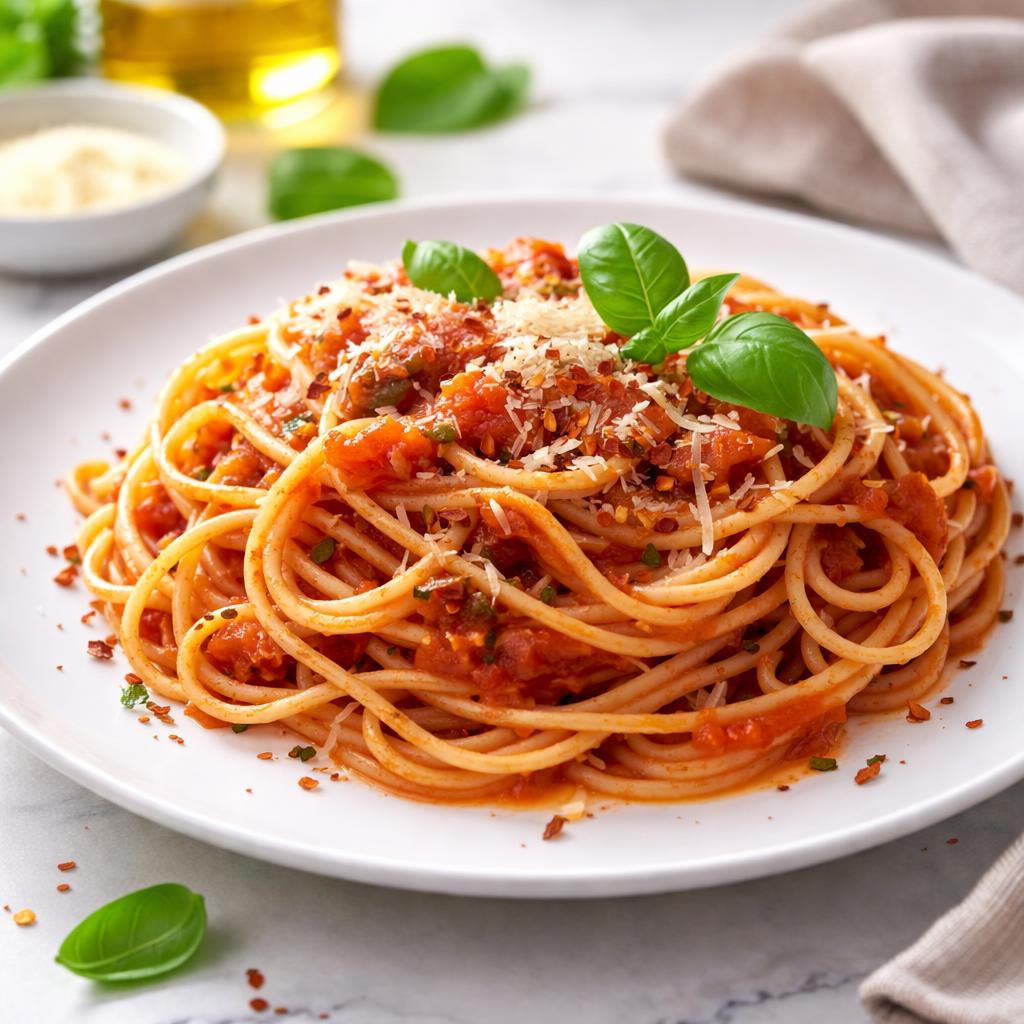
Spaghetti
🎯 Quick Verdict
Cheese is higher in protein and lower in calories compared to spaghetti, making it a better option for high-protein, low-carb diets. Spaghetti is richer in fiber and carbohydrates, offering sustained energy and better digestive support, which is ideal for active lifestyles or carbohydrate-focused diets.

Smart Nutrition Tracking with SnapCalorie

📊 Nutritional Comparison
Macronutrients
| Nutrient | Food 1 | Food 2 | Winner |
|---|---|---|---|
| Calories | 110 (per 1 oz) | 200 (per cup cooked) | ✓ |
| Protein | 7g | 8g | ✓ |
| Carbs | 1g | 40g | ✓ |
| Fat | 9g | 1g | ✓ |
| Fiber | 0g | 2g | ✓ |
Vitamins & Minerals
| Nutrient | Food 1 | Food 2 | Winner |
|---|---|---|---|
| Calcium | 200mg | 20mg | ✓ |
| Vitamin D | 0.2mcg | 0mcg | ✓ |
| Iron | 0.1mg | 1mg | ✓ |
🏆 Category Winners
Protein
Cheese provides a concentrated source of protein with 7g per ounce.
Fiber
Spaghetti offers 2g of fiber per cup, aiding in digestion.
Calories
Cheese has fewer calories at 110 per ounce compared to spaghetti's 200 per cup.
🥗 Diet Compatibility
Keto
Food 1: Compatible
Food 2: Not Compatible
Cheese is low-carb, while spaghetti is high in carbohydrates.
Vegan
Food 1: Not Compatible
Food 2: Compatible
Spaghetti is plant-based, but cheese is an animal product.
Gluten Free
Food 1: Compatible
Food 2: Not Compatible
Cheese is naturally gluten-free, while traditional spaghetti is made with wheat.
Paleo
Food 1: Not Compatible
Food 2: Not Compatible
Cheese and spaghetti are both excluded from strict paleo diets.
Low Carb
Food 1: Compatible
Food 2: Not Compatible
Cheese contains only 1g of carbs per serving, while spaghetti has about 40g.
💪 Health Benefits Comparison
Food 1 Benefits
- High in calcium for strong bones
- Rich in protein to support muscle growth and repair
- Contains healthy fats, providing long-lasting energy
Food 2 Benefits
- Source of fiber to aid digestion
- Rich in carbohydrates for sustained energy
- Provides iron to support oxygen transport in the body
✅ The Bottom Line
Choose cheese for low-carb, high-protein diets, or if aiming for bone health due to its calcium content. Opt for spaghetti when looking for sustained energy and digestive support, especially during physically demanding activities or carbohydrate-heavy diets.
Choose Food 1 for: Keto, low-carb diets, muscle growth, bone health
Choose Food 2 for: Active lifestyles, carbohydrate loading, vegan diets


