Cheese VS Sourdough Bread
A detailed nutritional comparison
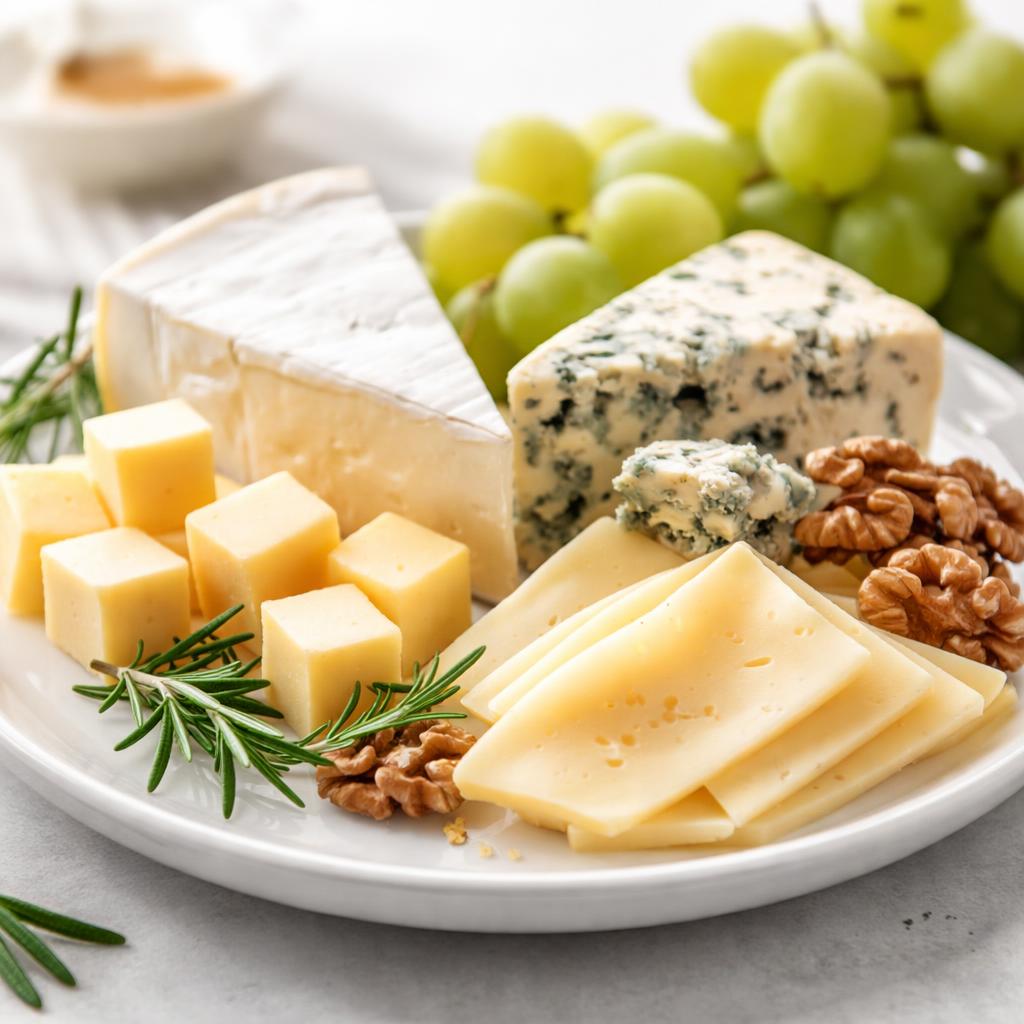
Cheese
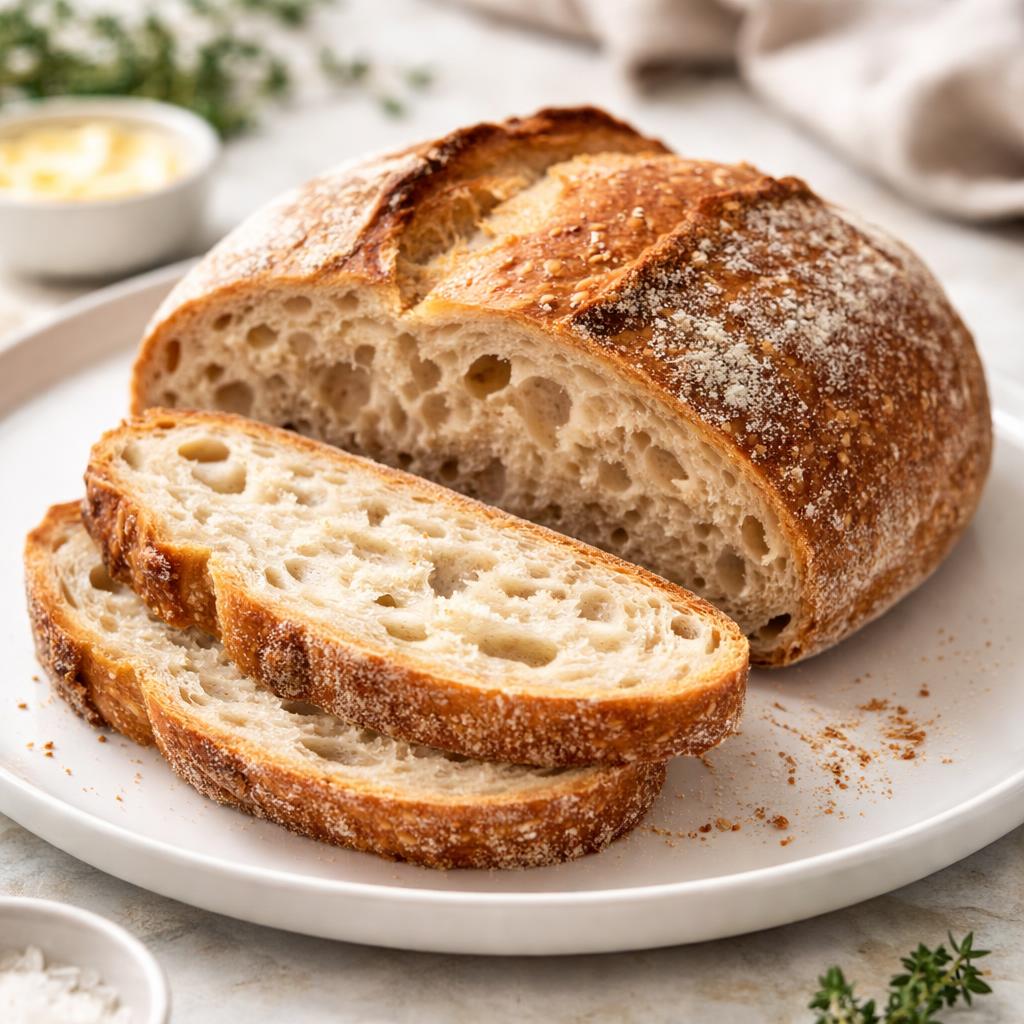
Sourdough Bread
🎯 Quick Verdict
Cheese is higher in protein, lower in calories, and rich in healthy fats, making it ideal for low-carb and high-protein diets. Sourdough bread is a better source of fiber and carbohydrates, supporting sustained energy and digestion. Both foods offer unique nutritional benefits depending on dietary goals.

Smart Nutrition Tracking with SnapCalorie

📊 Nutritional Comparison
Macronutrients
| Nutrient | Food 1 | Food 2 | Winner |
|---|---|---|---|
| Calories | 120 kcal (per 1 oz) | 160 kcal (per 1 slice) | ✓ |
| Protein | 7g | 4g | ✓ |
| Carbs | 1g | 30g | ✓ |
| Fat | 9g | 0.5g | ✓ |
| Fiber | 0g | 2g | ✓ |
Vitamins & Minerals
| Nutrient | Food 1 | Food 2 | Winner |
|---|---|---|---|
| Calcium | 200mg | 50mg | ✓ |
| Vitamin D | 0.2mcg | 0mcg | ✓ |
| Iron | 0.2mg | 2mg | ✓ |
| Vitamin B12 | 0.3mcg | 0.1mcg | ✓ |
🏆 Category Winners
Protein
Cheese contains nearly double the protein compared to sourdough.
Fiber
Sourdough provides 2g of fiber per slice, while cheese contains none.
Calories
Cheese is lower in calories per serving compared to sourdough bread.
Vitamins
Cheese is richer in calcium and vitamin B12, while sourdough provides more iron.
🥗 Diet Compatibility
Keto
Food 1: Compatible
Food 2: Not Compatible
Cheese is low-carb, while sourdough is rich in carbs.
Vegan
Food 1: Not Compatible
Food 2: Compatible
Cheese is an animal product, sourdough is plant-based.
Gluten Free
Food 1: Compatible
Food 2: Not Compatible
Cheese is gluten-free, while sourdough contains gluten.
Paleo
Food 1: Compatible
Food 2: Not Compatible
Cheese fits paleo diets but sourdough is not allowed.
Low-Carb
Food 1: Compatible
Food 2: Not Compatible
Cheese is very low in carbs (1g per serving).
💪 Health Benefits Comparison
Food 1 Benefits
- Rich in protein for muscle repair and growth
- Good source of calcium for strong bones and teeth
- Contains healthy fats for sustained energy
- Provides vitamin B12 for neurological health
Food 2 Benefits
- High in fiber for improved digestion and gut health
- Rich in iron for better oxygen transport in the body
- Contains probiotics due to fermentation process
- Provides sustained energy from complex carbohydrates
✅ The Bottom Line
Choose cheese if you need a low-carb, high-protein option or are supporting muscle repair and bone health. Opt for sourdough bread if you're looking for energy from carbs and better digestion through fiber and probiotics.
Choose Food 1 for: Low-carb diets, high-protein needs, keto and paleo enthusiasts
Choose Food 2 for: Active lifestyles needing sustained energy, vegan diets, digestive health


