Cheese VS Slice Of Pizza
A detailed nutritional comparison
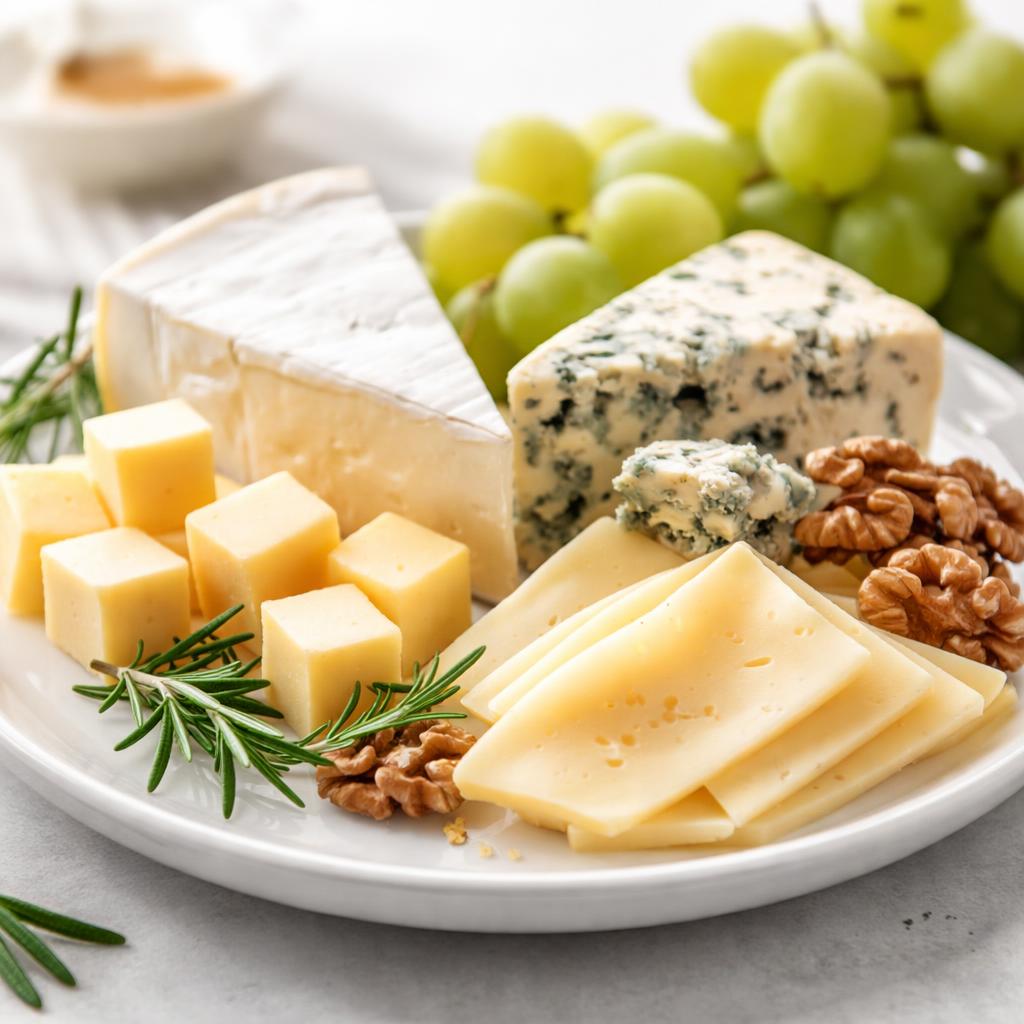
Cheese
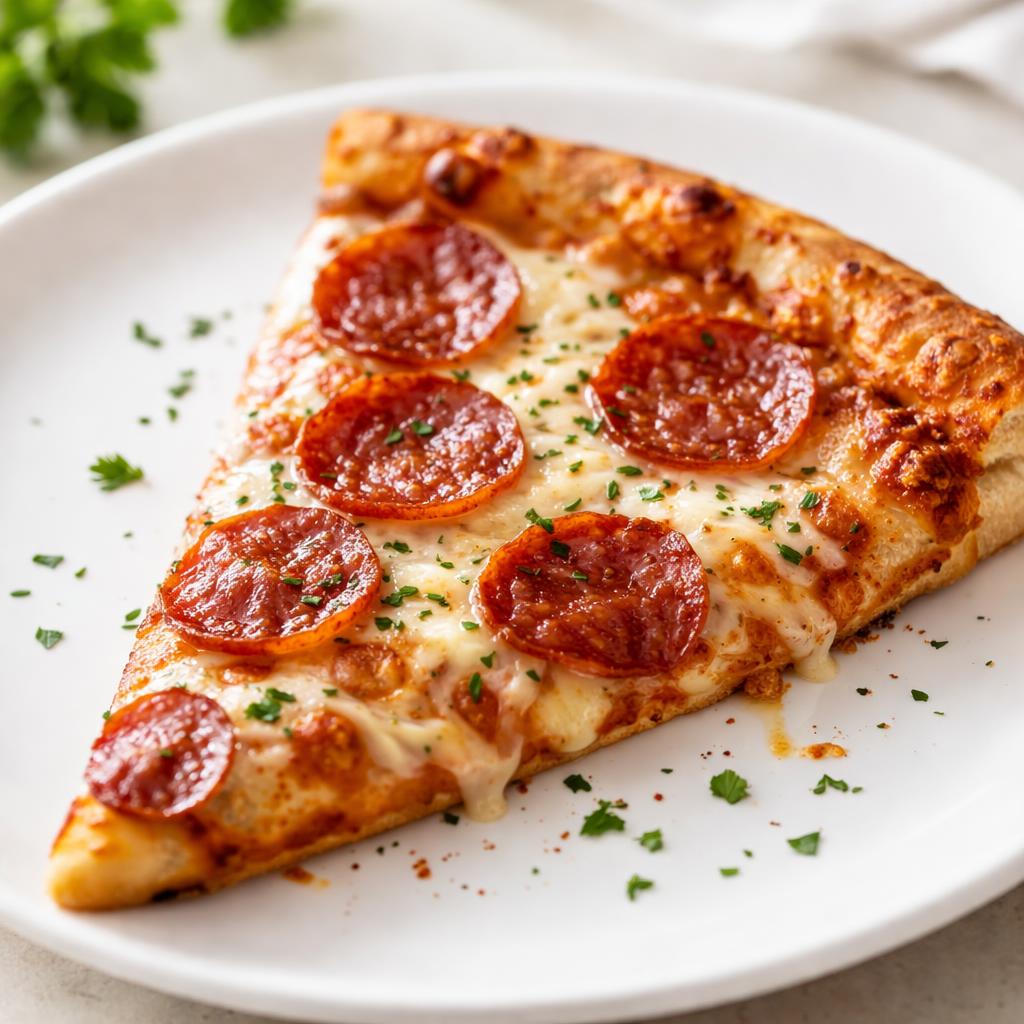
Slice Of Pizza
🎯 Quick Verdict
Cheese is higher in protein and lower in calories compared to a slice of pizza, making it a better option for high-protein or low-calorie diets. Pizza, however, offers a more balanced macronutrient profile and more fiber due to its crust and toppings, suitable for a meal or energy boost.

Smart Nutrition Tracking with SnapCalorie

📊 Nutritional Comparison
Macronutrients
| Nutrient | Food 1 | Food 2 | Winner |
|---|---|---|---|
| Calories | 113 (per 1 oz) | 285 (per 1 slice) | ✓ |
| Protein | 7g | 12g | ✓ |
| Carbs | 1g | 36g | ✓ |
| Fat | 9g | 10g | ✓ |
| Fiber | 0g | 2g | ✓ |
Vitamins & Minerals
| Nutrient | Food 1 | Food 2 | Winner |
|---|---|---|---|
| Vitamin D | 0.2mcg | 0.3mcg | ✓ |
| Calcium | 200mg | 200mg | − |
| Iron | 0.2mg | 2mg | ✓ |
🏆 Category Winners
Protein
Cheese provides 7g of protein per ounce while pizza offers 12g per slice, which makes cheese the proportional winner for a smaller serving size.
Fiber
Pizza has 2g fiber per slice due to the crust and vegetable toppings, whereas cheese has negligible fiber.
Calories
Cheese is calorie-dense but lower overall (113 calories per ounce vs. 285 calories per slice of pizza).
Vitamins
Pizza has more vitamin D and iron per serving, comparing favorably to cheese's minimal contributions in these areas.
🥗 Diet Compatibility
Keto
Food 1: Compatible
Food 2: Not Compatible
Cheese is low in carbs (1g per serving), whereas pizza is higher carb (36g per slice).
Vegan
Food 1: Not Compatible
Food 2: Not Compatible
Neither food is vegan as both contain dairy and animal-derived products.
Gluten Free
Food 1: Compatible
Food 2: Not Compatible
Cheese naturally does not contain gluten, while pizza typically has a wheat-based crust.
Paleo
Food 1: Not Compatible
Food 2: Not Compatible
Cheese is a dairy product and not part of strict paleo diets; pizza is processed and includes grains, making it incompatible.
Low-Carb
Food 1: Compatible
Food 2: Not Compatible
Cheese is very low carb (1g per serving), whereas pizza has a high carbohydrate content (36g per slice).
💪 Health Benefits Comparison
Food 1 Benefits
- High protein content contributes to muscle and tissue maintenance.
- Rich in calcium, supporting bone health.
- Low in carbohydrates, suitable for low-carb and keto diets.
Food 2 Benefits
- Balanced macronutrient profile for a meal option.
- Iron-rich, aiding oxygen transport in the blood.
- Contains fiber for better digestion compared to cheese.
✅ The Bottom Line
Choose cheese if your goal is higher protein intake, lower calories, or compatibility with low-carb diets. Pizza is a more complete meal and offers more fiber and vitamins but is higher in calories and carbs.
Choose Food 1 for: Low-carb diets, keto meal plans, snack or ingredient in high-protein dishes.
Choose Food 2 for: Quick meals, energy boost, and balanced macronutrient needs in less restrictive diets.


