Cheese VS Salmon
A detailed nutritional comparison
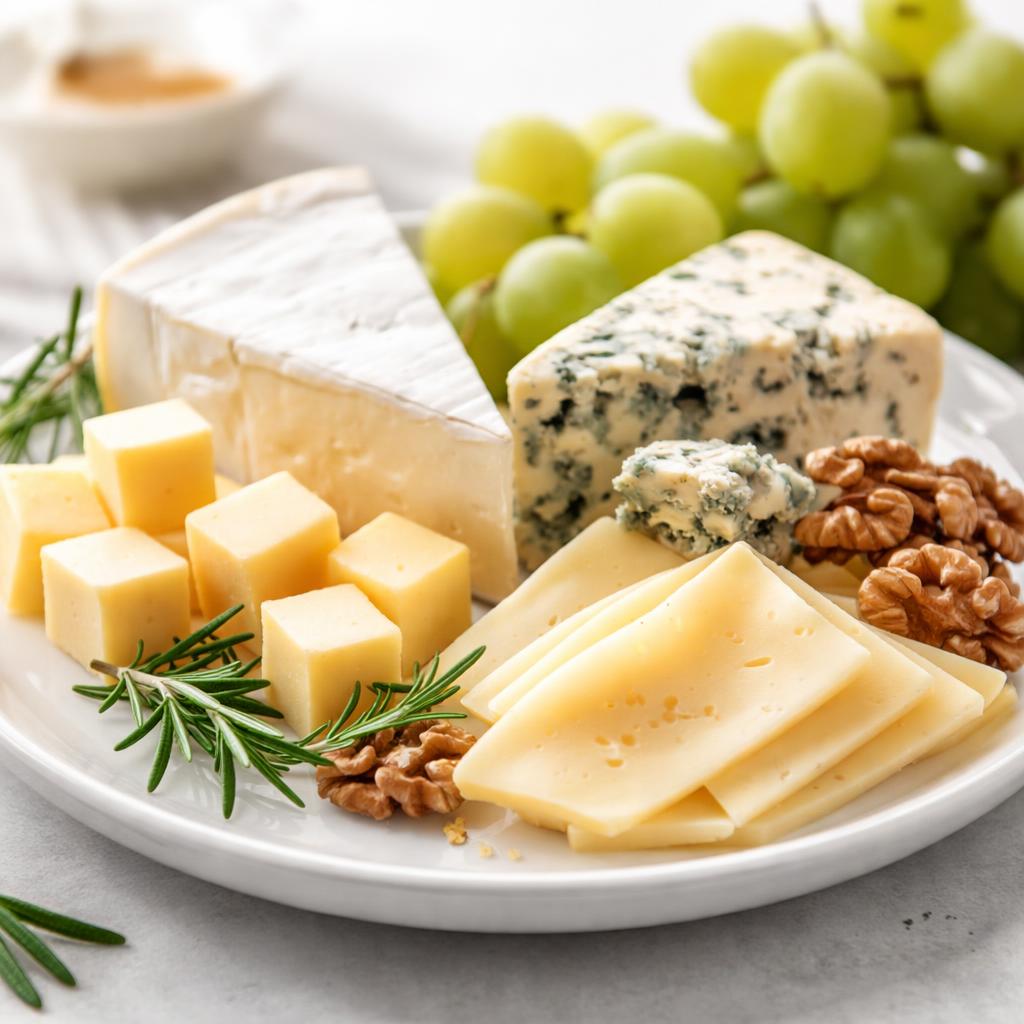
Cheese
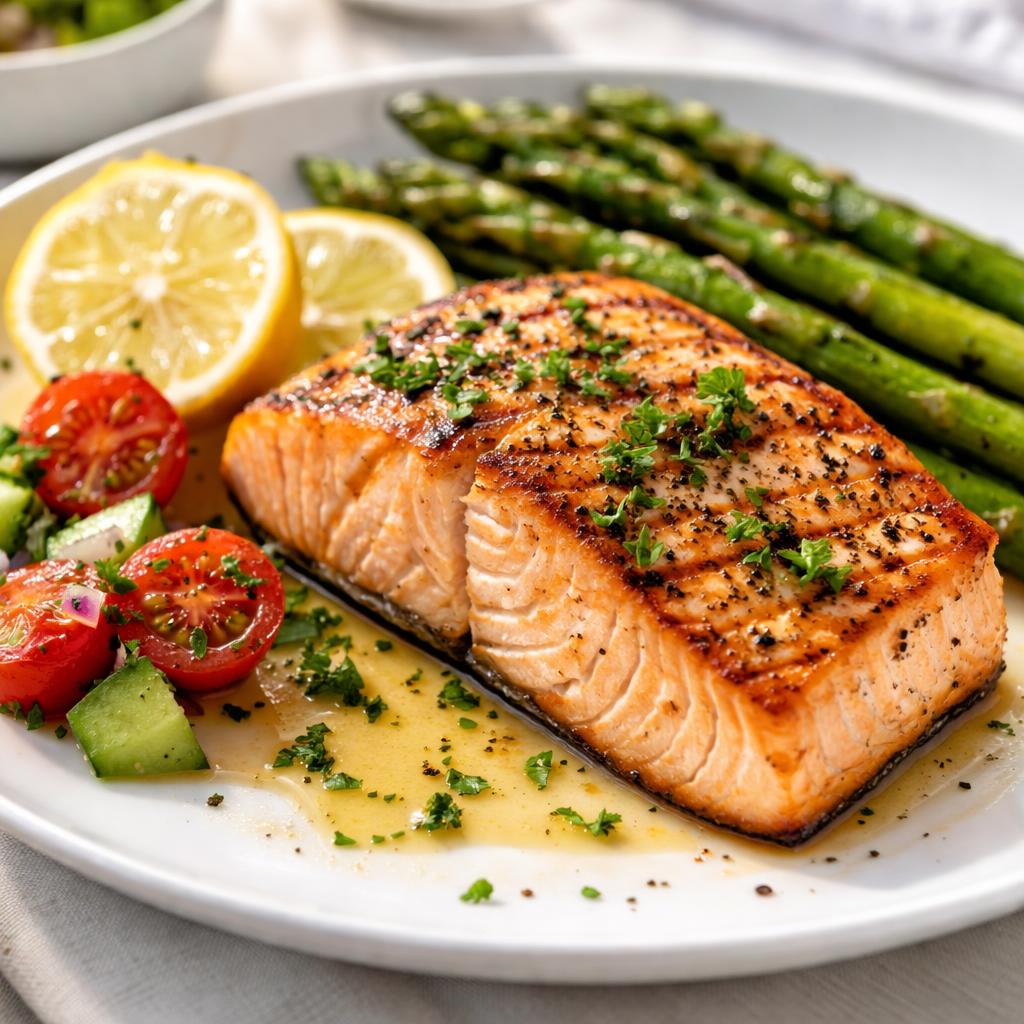
Salmon
🎯 Quick Verdict
Salmon is higher in protein content and provides an excellent range of essential vitamins like B12 and D, making it better for overall nutrient density. Cheese is calorie-dense and higher in fat, offering calcium in abundance but lacks fiber. Both foods serve distinct purposes in various diets but salmon is nutritionally richer overall.

Smart Nutrition Tracking with SnapCalorie

📊 Nutritional Comparison
Macronutrients
| Nutrient | Food 1 | Food 2 | Winner |
|---|---|---|---|
| Calories | 113 per ounce | 120 per ounce | − |
| Protein | 7g per ounce | 16g per ounce | − |
| Carbs | 1g per ounce | 0g per ounce | − |
| Fat | 9g per ounce | 6g per ounce | − |
| Fiber | 0g per ounce | 0g per ounce | − |
Vitamins & Minerals
| Nutrient | Food 1 | Food 2 | Winner |
|---|---|---|---|
| Vitamin D | 0.24mcg per ounce | 10mcg per ounce | − |
| Calcium | 200mg per ounce | 9mg per ounce | − |
| Vitamin B12 | 0.8mcg per ounce | 3.5mcg per ounce | − |
| Iron | 0.2mg per ounce | 0.8mg per ounce | − |
🏆 Category Winners
Protein
Salmon provides more than double the protein content per ounce compared to cheese.
Fiber
Neither cheese nor salmon contains dietary fiber.
Calories
Both foods have comparable calorie counts per ounce.
Vitamins
Salmon is rich in vitamin D and B12, which are significantly higher compared to cheese.
🥗 Diet Compatibility
Keto
Food 1: Compatible
Food 2: Compatible
Both are low-carb and suitable for ketogenic diets.
Vegan
Food 1: Not Compatible
Food 2: Not Compatible
Both are animal-derived products.
Gluten Free
Food 1: Compatible
Food 2: Compatible
Neither food contains gluten.
Paleo
Food 1: Not Compatible
Food 2: Compatible
Cheese is a dairy product, excluded from strict paleo diets, while salmon is acceptable.
Low Carb
Food 1: Compatible
Food 2: Compatible
Both foods are low in carbohydrates, with salmon containing zero carbs.
💪 Health Benefits Comparison
Food 1 Benefits
- Rich in calcium for bone health
- Good source of protein for muscle maintenance
- Provides vitamin A to support vision
Food 2 Benefits
- Excellent source of omega-3 fatty acids for heart and brain health
- Rich in vitamin D for bone health and immune support
- Provides high-quality protein for muscle building and repair
- Contains antioxidants like selenium which combat oxidative stress
✅ The Bottom Line
Salmon is the better choice for overall nutrient density, especially if you need more protein, healthy fats like omega-3s, or vitamins D and B12. Cheese is a good source of calcium and protein but is calorie-dense and higher in saturated fat. Use cheese sparingly and consider salmon as a nutrient-dense staple for balanced meals.
Choose Food 1 for: Bone health, flavor enhancement, occasional indulgence
Choose Food 2 for: Heart health, brain function, muscle building, balanced diets


