Cheese VS Ricotta Cheese
A detailed nutritional comparison
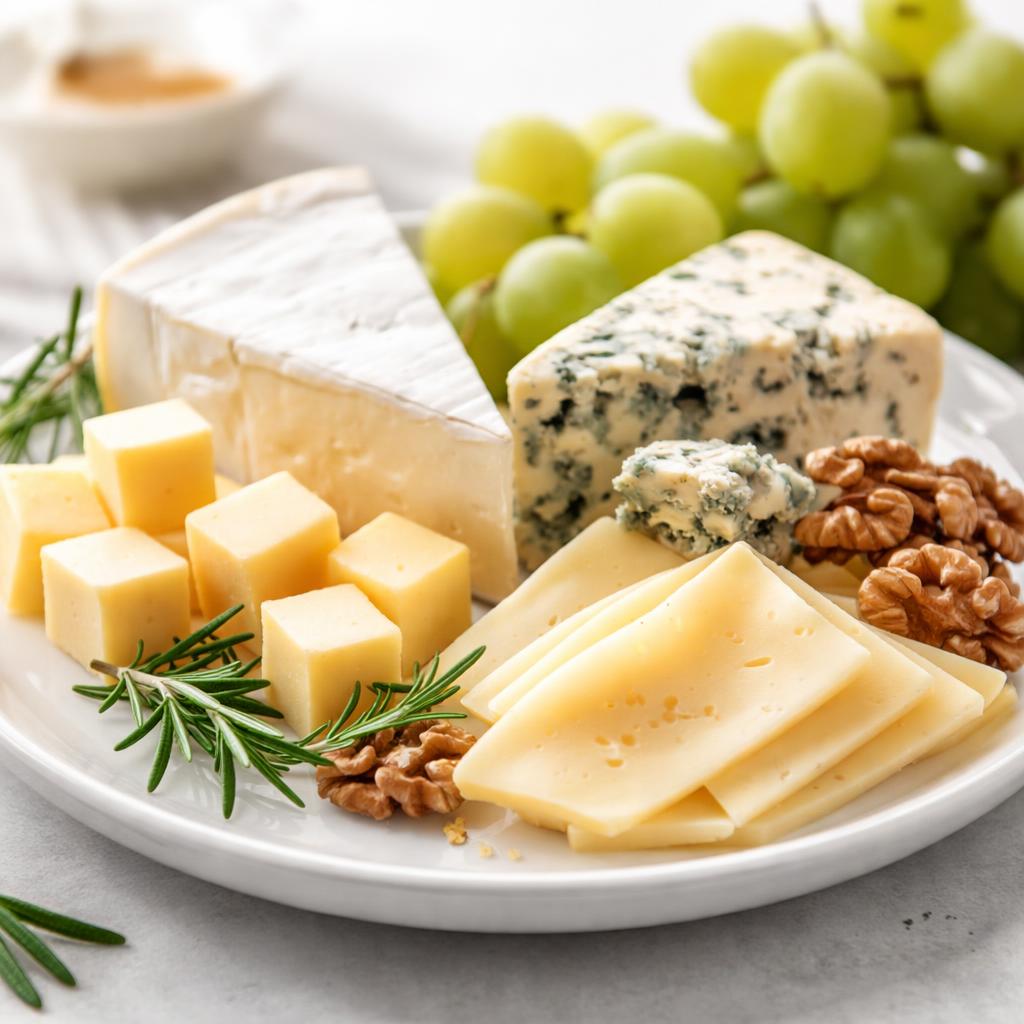
Cheese
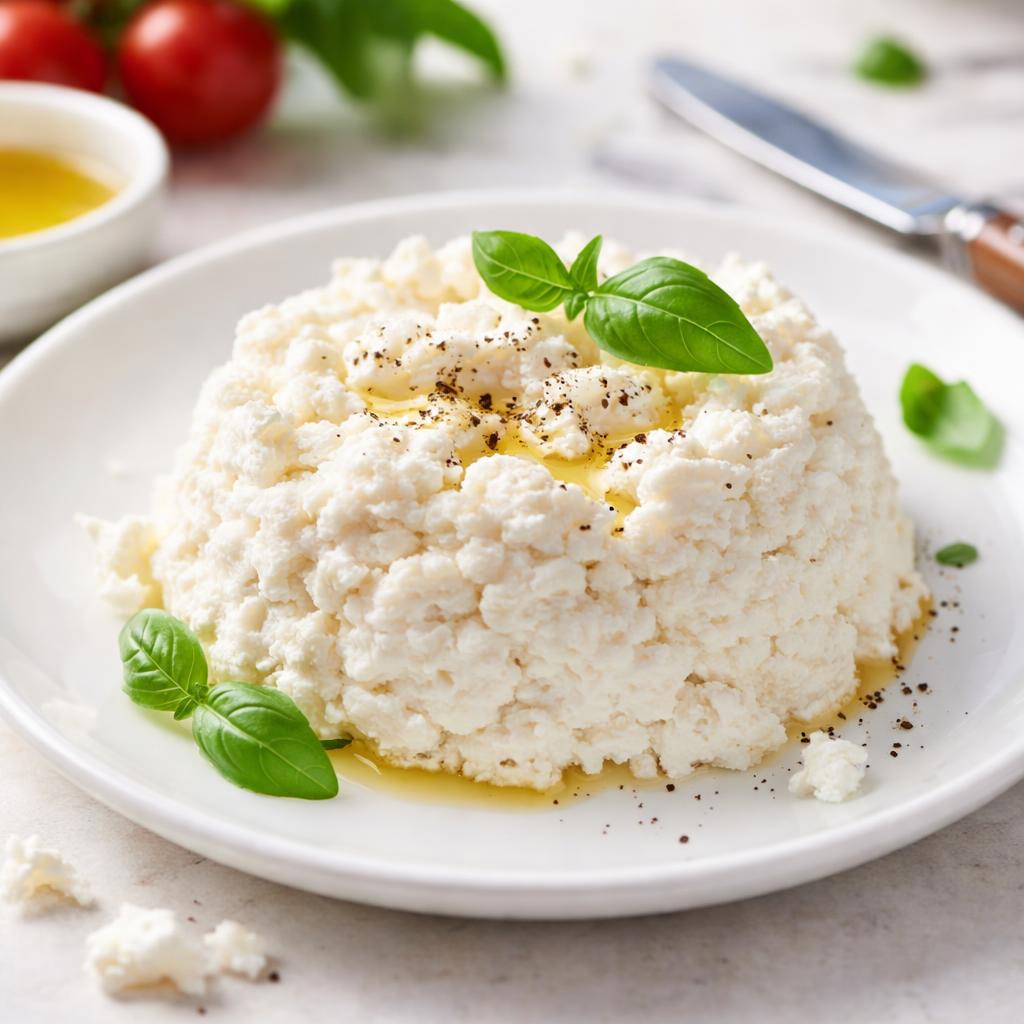
Ricotta Cheese
🎯 Quick Verdict
Cheese and ricotta cheese are nutritious dairy products with distinct differences. Cheese is higher in protein and fat, making it ideal for muscle building and satiety. Ricotta cheese is lower in calories and fat, offering a lighter option that fits well in low-calorie diets and delicate recipes. Both are versatile, but their nutritional profiles make them suitable for different dietary goals.

Smart Nutrition Tracking with SnapCalorie

📊 Nutritional Comparison
Macronutrients
| Nutrient | Food 1 | Food 2 | Winner |
|---|---|---|---|
| Calories | − | ||
| Protein | − | ||
| Carbs | − | ||
| Fat | − | ||
| Fiber | − |
Vitamins & Minerals
| Nutrient | Food 1 | Food 2 | Winner |
|---|---|---|---|
| Calcium | − | ||
| Vitamin A | − | ||
| Iron | − |
🏆 Category Winners
Protein
Cheese has over double the protein content compared to ricotta cheese.
Fiber
Neither cheese nor ricotta cheese contains fiber.
Calories
Ricotta cheese contains less than half the calories of regular cheese per serving.
Vitamins
Cheese is significantly richer in calcium and vitamin A.
🥗 Diet Compatibility
Keto
Food 1: Unknown
Food 2: Unknown
Both are low-carb and high-fat, fitting keto diets.
Vegan
Food 1: Unknown
Food 2: Unknown
Both are animal-derived dairy products.
Gluten Free
Food 1: Unknown
Food 2: Unknown
Neither contains gluten.
Paleo
Food 1: Unknown
Food 2: Unknown
Dairy products like cheese and ricotta cheese are not considered paleo-friendly.
Low-Carb
Food 1: Unknown
Food 2: Unknown
Both are low-carb options with minimal carbohydrate content.
💪 Health Benefits Comparison
Food 1 Benefits
Food 2 Benefits
✅ The Bottom Line
Choose cheese for higher protein and fat content, suitable for keto diets and muscle maintenance. Opt for ricotta cheese when seeking a lighter alternative with fewer calories and lower fat content. Both are versatile in cooking and can complement various dishes depending on nutritional needs.


