Homemade Ricotta Cheese
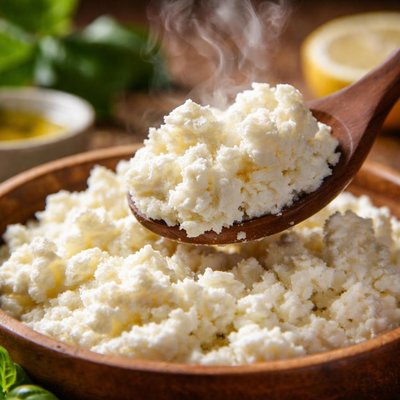
Discover the magic of making your own homemade ricotta cheese with just four simple ingredients and a little patience! This easy recipe combines whole milk, heavy cream, a touch of salt, and your choice of white vinegar or lemon juice to create a luscious, creamy cheese that’s perfect for spreading, dolloping, or incorporating into your favorite dishes. Ready in under 30 minutes, this DIY delight lets you control the texture—choose a soft, creamy consistency for spreading on crusty bread or drain it longer for a firmer ricotta ideal for cooking. Elevate your culinary creations with this fresh, flavorful, and preservative-free ricotta cheese recipe that's as satisfying to make as it is to enjoy!

Smart Nutrition Tracking with SnapCalorie


Recipe Information
Ingredients
- 4 cups Whole milk
- 1 cup Heavy cream
- 3 tablespoons White vinegar or lemon juice
- 0.5 teaspoons Salt
Instructions
In a large, heavy-bottomed pot, combine the whole milk, heavy cream, and salt. Heat the mixture over medium heat, stirring occasionally to prevent scorching, until it reaches a temperature of 190°F (88°C). This will take around 10–15 minutes.
Once the milk mixture reaches 190°F, remove the pot from the heat and slowly stir in the vinegar or lemon juice. You will notice curds beginning to form almost immediately.
Let the mixture sit undisturbed for 5–10 minutes. This resting period allows the curds to fully separate from the whey.
Set a large colander over a bowl or sink and line it with several layers of cheesecloth or a fine kitchen towel. Carefully pour the curds and whey into the colander to drain.
For a creamier ricotta, allow the curds to drain for 5–10 minutes. For a firmer texture, drain for 15–20 minutes. Avoid pressing or squeezing the curds, as this can make the cheese too dry.
Once the ricotta has reached your desired consistency, transfer it to a clean bowl. Use immediately or refrigerate in an airtight container for up to 4–5 days.
Serve the homemade ricotta with crusty bread, drizzle it with olive oil, or use it in your favorite recipes.
Nutrition Facts
Calories |
175 | ||
|---|---|---|---|
% Daily Value* |
|||
| Total Fat | 14.1 g | 18% | |
| Saturated Fat | 8.5 g | 43% | |
| Polyunsaturated Fat | 0.0 g | ||
| Cholesterol | 42 mg | 14% | |
| Sodium | 184 mg | 8% | |
| Total Carbohydrate | 6.0 g | 2% | |
| Dietary Fiber | 0.0 g | 0% | |
| Total Sugars | 6.0 g | ||
| Protein | 3.9 g | 8% | |
| Vitamin D | 1.6 mcg | 8% | |
| Calcium | 138 mg | 11% | |
| Iron | 0.0 mg | 0% | |
| Potassium | 161 mg | 3% | |
*The % Daily Value tells you how much a nutrient in a serving of food contributes to a daily diet. 2,000 calories a day is used for general nutrition advice.


