Cheese VS Potatoes
A detailed nutritional comparison
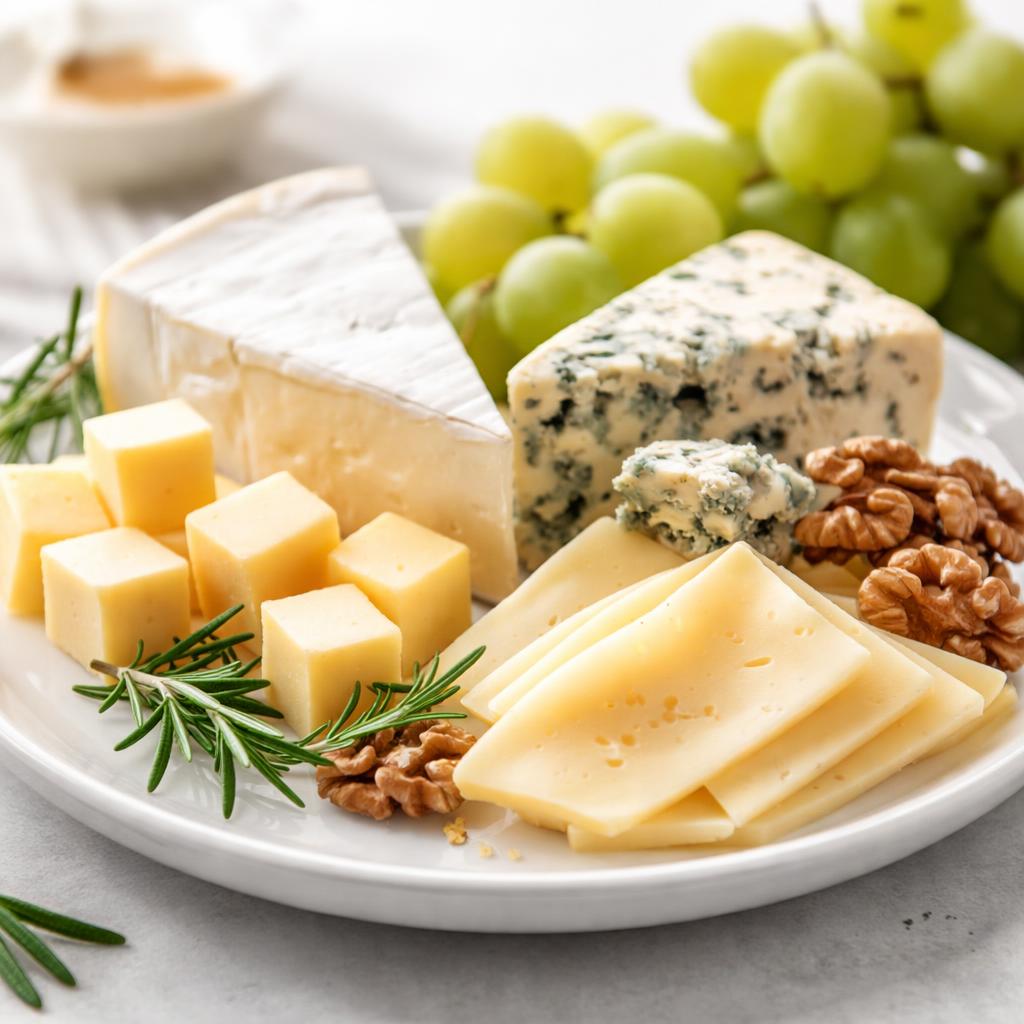
Cheese
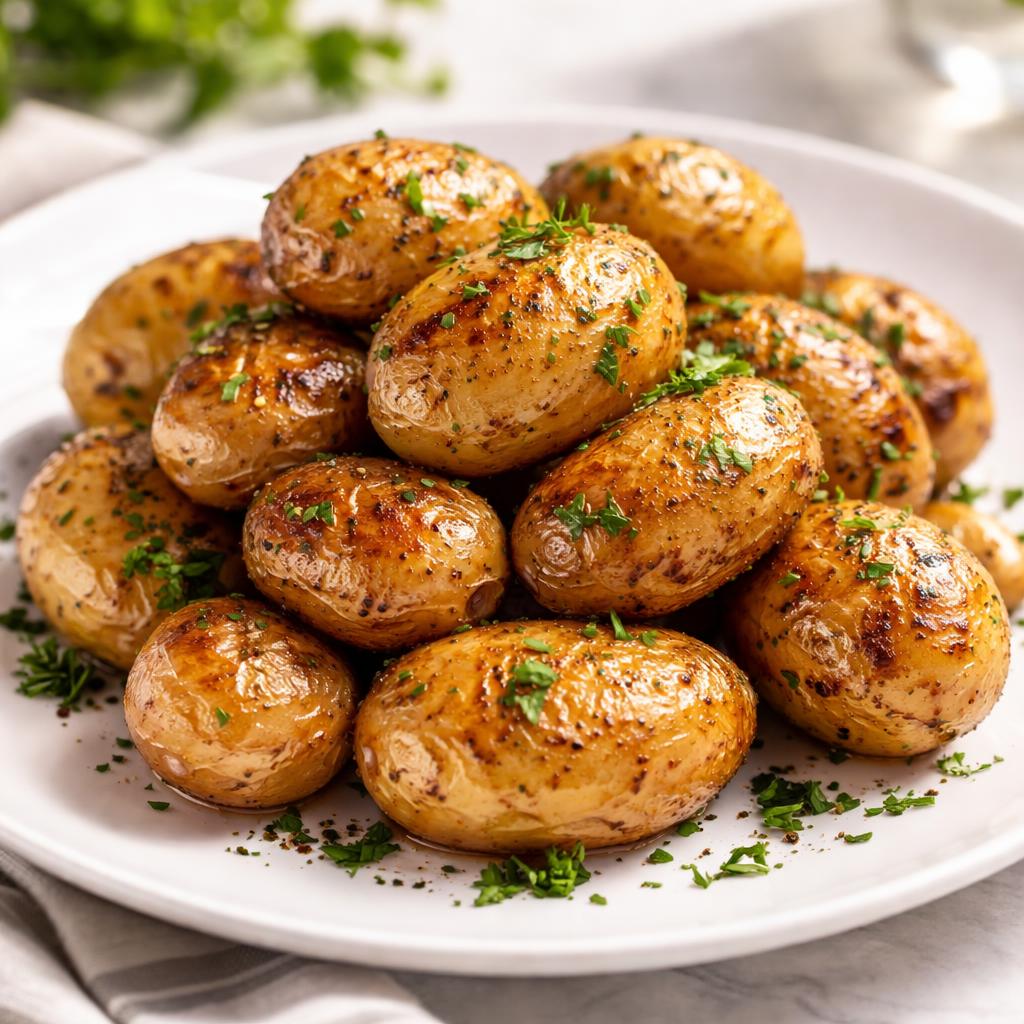
Potatoes
🎯 Quick Verdict
Cheese is higher in protein, fat, and certain micronutrients like calcium and Vitamin D, making it more suitable for muscle-building and low-carb diets. Potatoes, on the other hand, are lower in calories, higher in carbohydrates, and richer in fiber, providing sustained energy and digestive benefits. Each food is ideal for different dietary goals depending on individual preferences and needs.

Smart Nutrition Tracking with SnapCalorie

📊 Nutritional Comparison
Macronutrients
| Nutrient | Food 1 | Food 2 | Winner |
|---|---|---|---|
| Calories | 402 (per 100g) | 77 (per 100g) | ✓ |
| Protein | 25g | 2g | ✓ |
| Carbs | 1.3g | 17g | ✓ |
| Fat | 33g | 0.1g | ✓ |
| Fiber | 0g | 2.2g | ✓ |
Vitamins & Minerals
| Nutrient | Food 1 | Food 2 | Winner |
|---|---|---|---|
| Vitamin D | 0.6mcg | 0mcg | ✓ |
| Calcium | 721mg | 8mg | ✓ |
| Iron | 0.2mg | 0.7mg | ✓ |
| Vitamin C | 0mg | 19.7mg | ✓ |
🏆 Category Winners
Protein
Cheese is extremely protein-rich, providing 25g per 100g compared to only 2g for potatoes.
Fiber
Potatoes contain 2.2g of fiber per 100g, whereas cheese contains no dietary fiber.
Calories
Potatoes are lower in calories, providing 77 per 100g versus cheese's 402.
Vitamins
Potatoes shine in Vitamin C and iron, while cheese provides superior Vitamin D and calcium content.
🥗 Diet Compatibility
Keto
Food 1: Compatible
Food 2: Not Compatible
Cheese is low-carb (1.3g per 100g), while potatoes are high in carbohydrates (17g per 100g).
Vegan
Food 1: Not Compatible
Food 2: Compatible
Cheese is derived from milk, while potatoes are plant-based.
Gluten Free
Food 1: Compatible
Food 2: Compatible
Neither food contains gluten.
Paleo
Food 1: Not Compatible
Food 2: Compatible
Potatoes are plant-based and unprocessed, aligning with paleo principles, while cheese is dairy-based and processed.
Low Carb
Food 1: Compatible
Food 2: Not Compatible
Cheese is low-carb, suitable for low-carb diets, unlike potatoes.
💪 Health Benefits Comparison
Food 1 Benefits
- Excellent source of protein for muscle growth and repair
- High in calcium for strong bones and teeth
- Provides Vitamin D to support immune health and bone metabolism
- Rich in healthy fats for energy and satiety
Food 2 Benefits
- High in fiber for improved digestion and gut health
- Rich in Vitamin C for immune function and antioxidant properties
- Provides sustained energy due to its complex carbohydrate content
- Low in calories, beneficial for weight management
✅ The Bottom Line
Cheese is best suited for high-protein, low-carb diets and can support muscle growth and bone health, making it ideal for fitness enthusiasts or those on ketogenic diets. Potatoes are great for individuals looking for sustained energy, digestive support, and a nutrient-rich food while keeping calorie intake low.
Choose Food 1 for: Low-carb diets, ketogenic eating, post-workout protein boost
Choose Food 2 for: Weight management, vegan diets, sustained energy, overall nutrient density


