Cheese VS Parsley
A detailed nutritional comparison
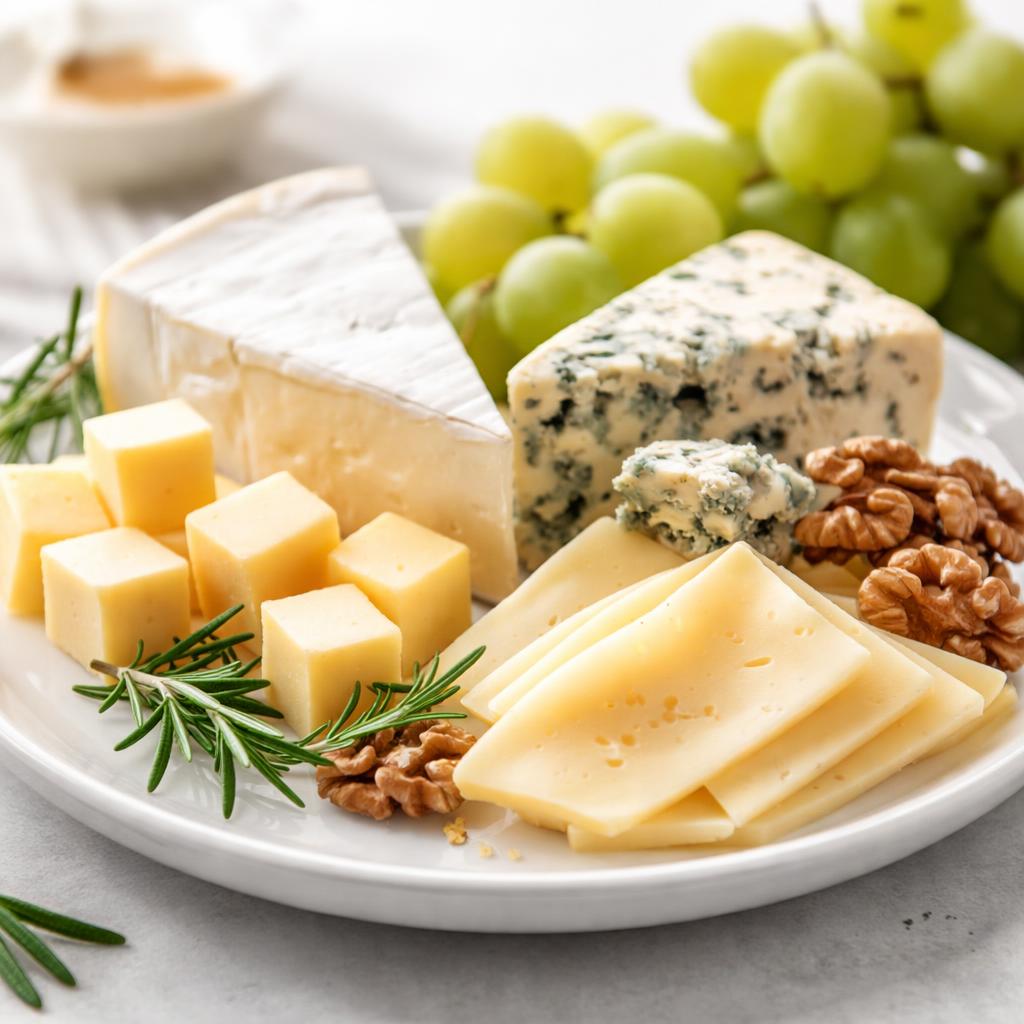
Cheese
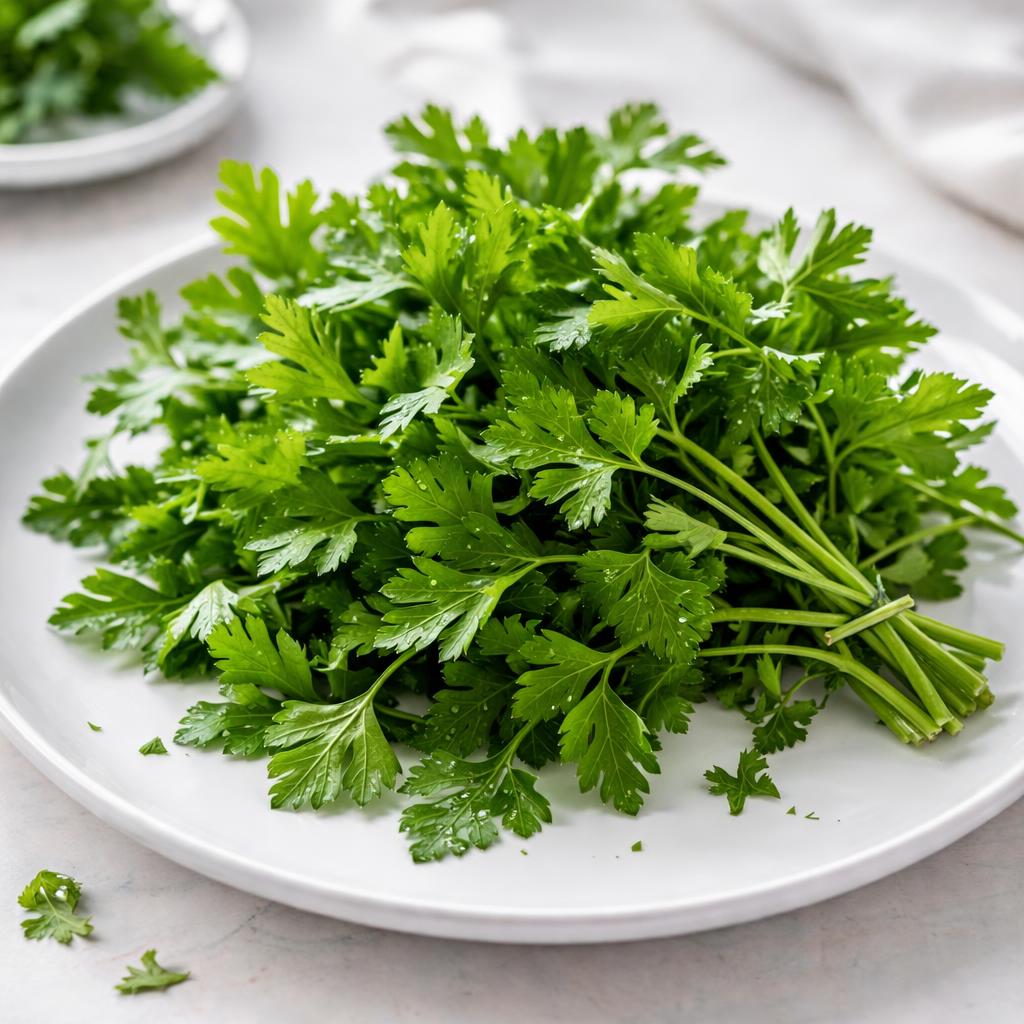
Parsley
🎯 Quick Verdict
Cheese provides significantly more protein and healthy fats, making it ideal for muscle building and energy. Parsley is extremely low in calories and rich in fiber, vitamins, and antioxidants, making it perfect for nutrient-dense, low-calorie dishes or garnishes.

Smart Nutrition Tracking with SnapCalorie

📊 Nutritional Comparison
Macronutrients
| Nutrient | Food 1 | Food 2 | Winner |
|---|---|---|---|
| Calories | 402 | 36 | ✓ |
| Protein | 25g | 3g | ✓ |
| Carbs | 1.3g | 6g | ✓ |
| Fat | 33g | 0.8g | ✓ |
| Fiber | 0g | 3.3g | ✓ |
Vitamins & Minerals
| Nutrient | Food 1 | Food 2 | Winner |
|---|---|---|---|
| Vitamin A | 109mcg | 842mcg | ✓ |
| Vitamin C | 0mg | 133mg | ✓ |
| Calcium | 721mg | 138mg | ✓ |
| Iron | 0.7mg | 6.2mg | ✓ |
🏆 Category Winners
Protein
Cheese contains over 8 times the protein content of parsley per serving.
Fiber
Parsley is a great fiber source with 3.3g per serving, while cheese offers none.
Calories
Parsley is extremely low in calories—90% fewer calories than cheese per serving.
Vitamins
Parsley is a vitamin powerhouse, with significantly higher Vitamin A, Vitamin C, and iron levels compared to cheese.
🥗 Diet Compatibility
Keto
Food 1: Compatible
Food 2: Compatible
Cheese is high fat and low carb; parsley is low carb, fitting keto guidelines.
Vegan
Food 1: Not Compatible
Food 2: Compatible
Cheese is animal-derived, while parsley is plant-based.
Gluten Free
Food 1: Compatible
Food 2: Compatible
Neither food contains gluten.
Paleo
Food 1: Compatible
Food 2: Compatible
Both foods fit paleo dietary preferences.
Low-Carb
Food 1: Compatible
Food 2: Compatible
Cheese is very low in carbs; parsley provides minimal carbs.
💪 Health Benefits Comparison
Food 1 Benefits
- High in protein to support muscle repair and maintenance
- Rich in calcium for bone health
- Contains natural fat for energy and nutrient absorption
Food 2 Benefits
- Rich in antioxidants like Vitamin C for immune support
- High in iron to combat fatigue and support oxygen transport
- Provides dietary fiber to improve digestion
✅ The Bottom Line
Cheese is a protein-rich, high-energy food that works well for muscle building, keto diets, or as a satiating option. Parsley is a low-calorie, nutrient-dense herb that shines in supporting digestion, immunity, and nutrient diversity. Choose cheese for muscle maintenance or calorie-dense dishes, and parsley for light, antioxidant-rich meals.
Choose Food 1 for: Keto diet, muscle building, energy-dense meals
Choose Food 2 for: Low-calorie dishes, vegan diets, overall nutrition boost


