Cheese VS Parmesan Cheese
A detailed nutritional comparison
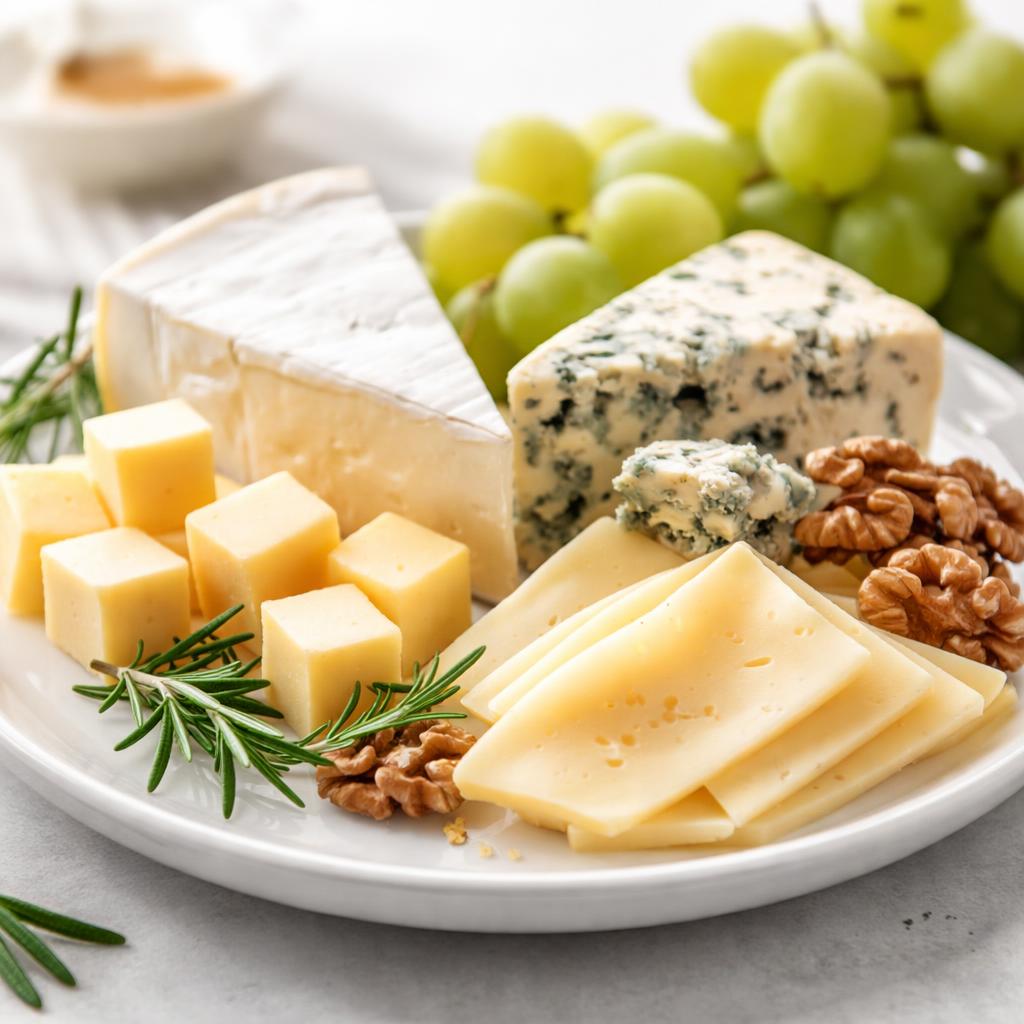
Cheese
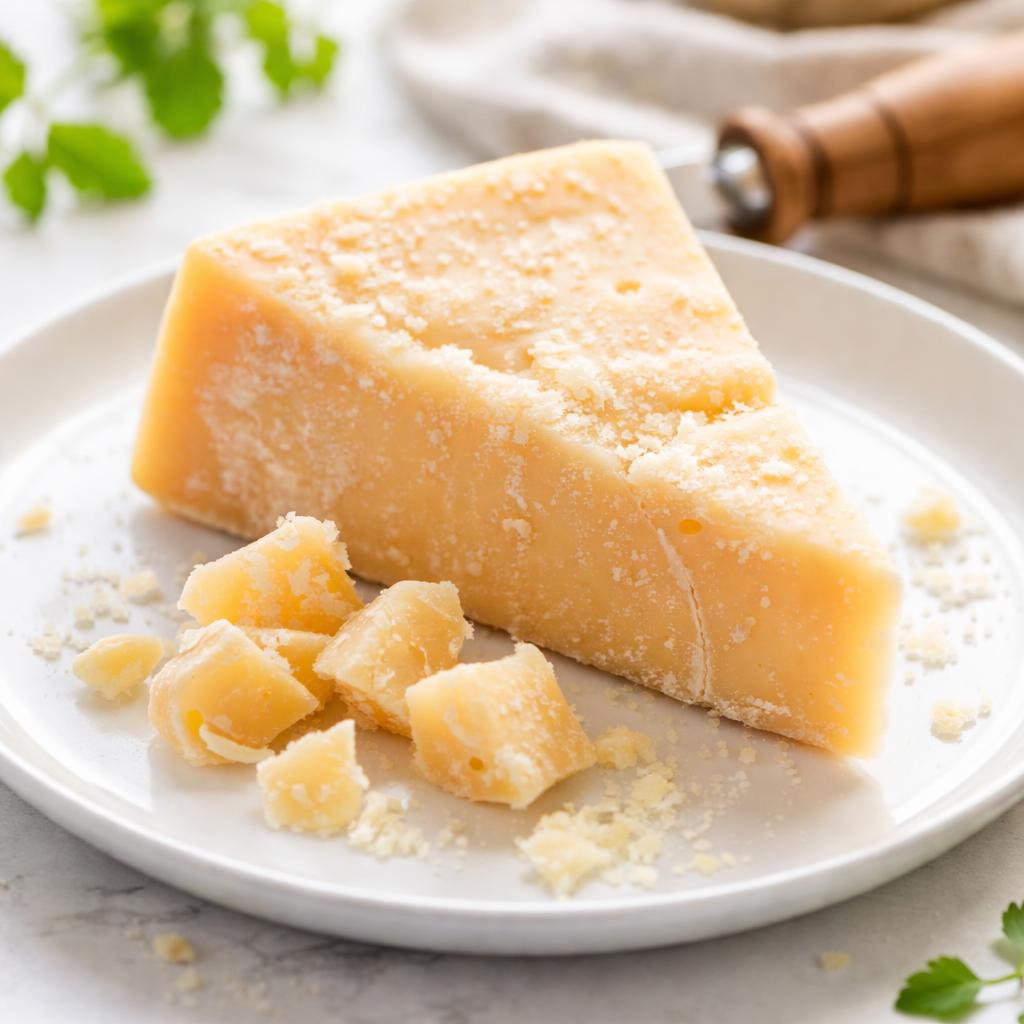
Parmesan Cheese
🎯 Quick Verdict
Parmesan cheese is nutritionally denser than regular cheese, offering more protein and fewer calories per serving. Regular cheese, however, is slightly higher in fat and suitable for creamy recipes. Parmesan shines as a protein-rich topping while regular cheese is best for versatile cooking and melting purposes.

Smart Nutrition Tracking with SnapCalorie

📊 Nutritional Comparison
Macronutrients
| Nutrient | Food 1 | Food 2 | Winner |
|---|---|---|---|
| Calories | 402 per 100g | 431 per 100g | ✓ |
| Protein | 25g per 100g | 38g per 100g | ✓ |
| Carbs | 2g per 100g | 3.2g per 100g | ✓ |
| Fat | 33g per 100g | 29.7g per 100g | ✓ |
| Fiber | 0g per 100g | 0g per 100g | − |
Vitamins & Minerals
| Nutrient | Food 1 | Food 2 | Winner |
|---|---|---|---|
| Vitamin D | 0.4mcg per 100g | 0.7mcg per 100g | ✓ |
| Calcium | 720mg per 100g | 1184mg per 100g | ✓ |
| Iron | 0.2mg per 100g | 0.6mg per 100g | ✓ |
🏆 Category Winners
Protein
Parmesan contains 52% more protein per serving, making it ideal for muscle repair.
Fiber
Neither food contains fiber.
Calories
Regular cheese contains slightly fewer calories but difference is marginal.
Vitamins
Parmesan cheese is richer in calcium and vitamin D, beneficial for bone health.
🥗 Diet Compatibility
Keto
Food 1: Compatible
Food 2: Compatible
Both are low-carb and high-fat, ideal for a keto diet.
Vegan
Food 1: Not Compatible
Food 2: Not Compatible
Both are dairy products and not suitable for vegan diets.
Gluten Free
Food 1: Compatible
Food 2: Compatible
Neither contains gluten.
Paleo
Food 1: Not Compatible
Food 2: Not Compatible
Cheese is not part of traditional paleo diets.
Low-Carb
Food 1: Compatible
Food 2: Compatible
Carbohydrate content is low in both cheeses.
💪 Health Benefits Comparison
Food 1 Benefits
- Rich source of calcium for bone health
- Provides essential fats for energy
- Contributes to muscle maintenance through protein content
Food 2 Benefits
- High protein content supports muscle repair
- Excellent source of calcium for strong teeth and bones
- Contains Vitamin D to improve calcium absorption and immunity
✅ The Bottom Line
Choose parmesan cheese for a higher protein option and stronger nutrient profile, ideal as a topping or enhancement to recipes. Regular cheese is better for creamy dishes and recipes requiring fat for texture or meltability. Both are keto-friendly and can be part of balanced diets.
Choose Food 1 for: General cooking, melting, creamy recipes
Choose Food 2 for: Toppings, high-protein diets, flavor enhancement


