Cheese VS Olive Oil
A detailed nutritional comparison
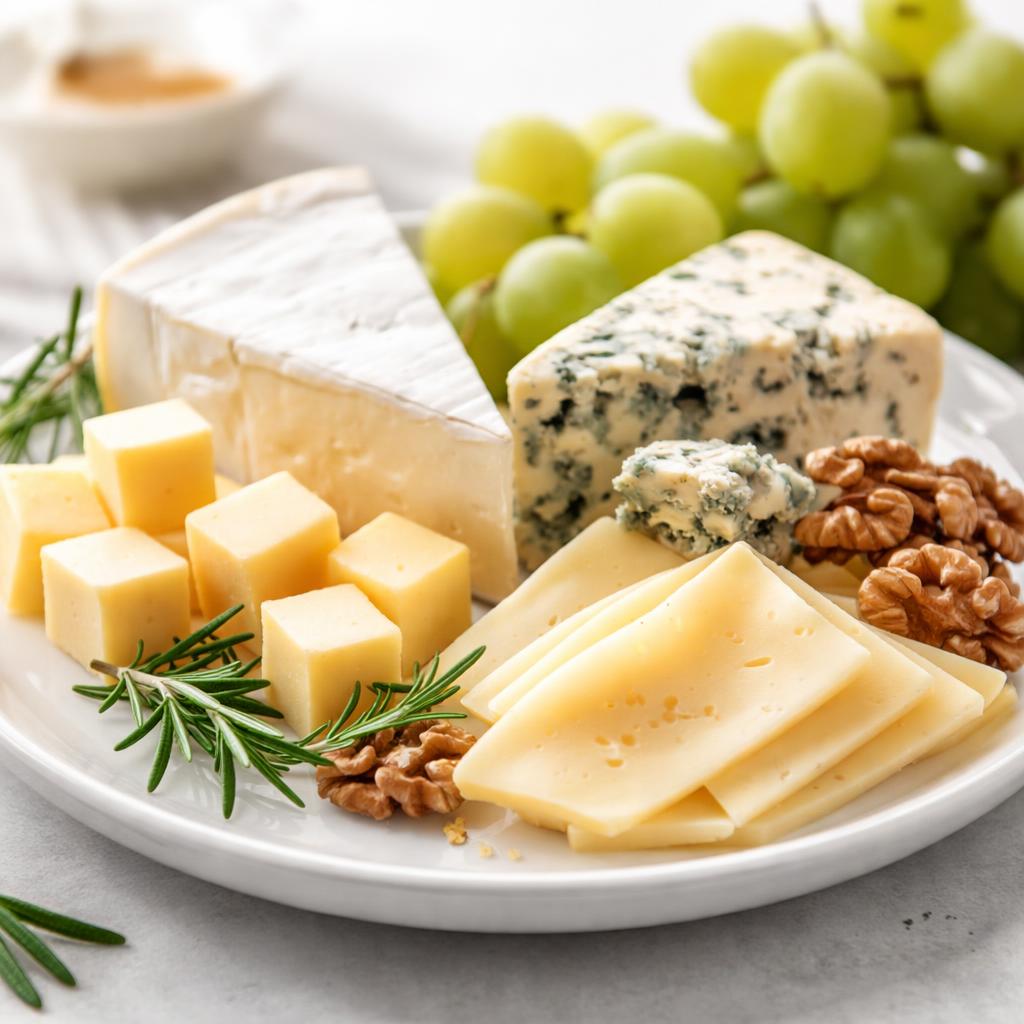
Cheese
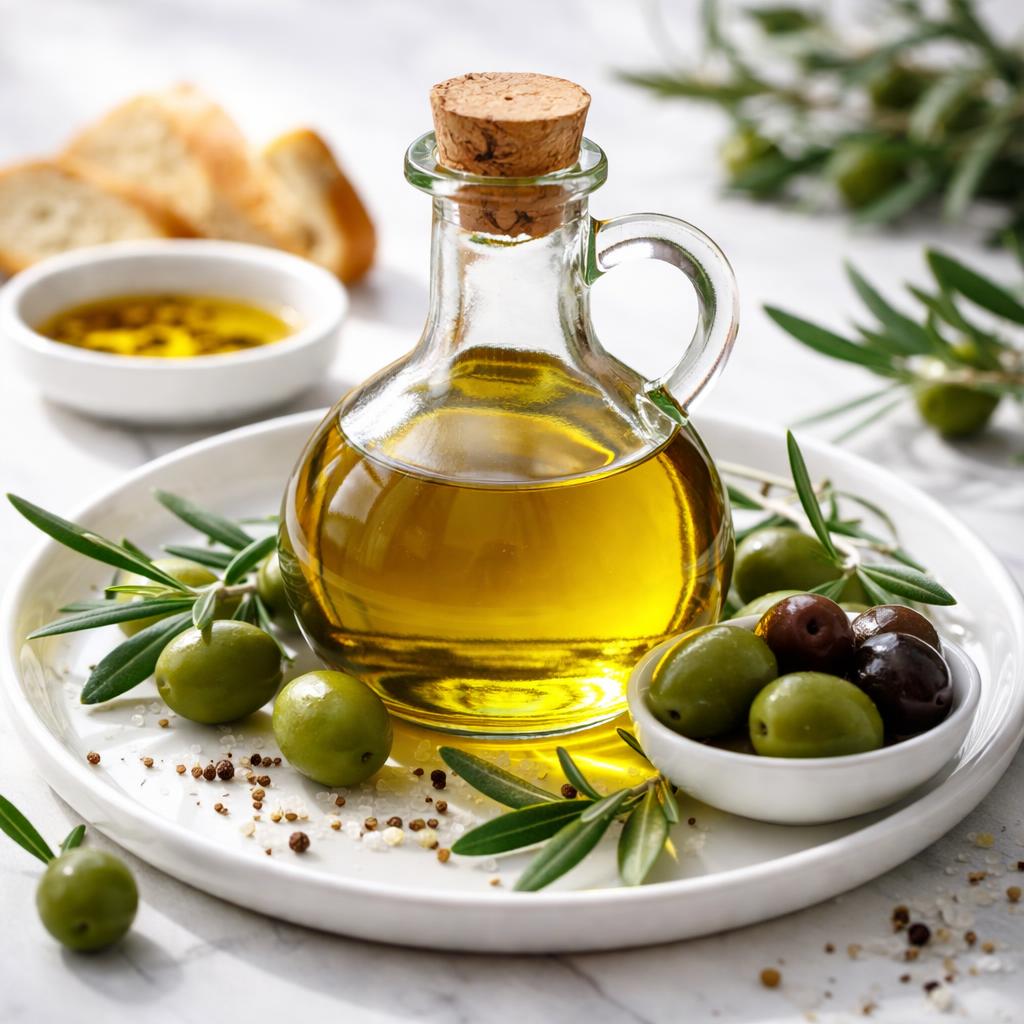
Olive Oil
🎯 Quick Verdict
Cheese and olive oil serve vastly different nutritional roles. Cheese is high in protein and calcium, making it ideal for muscle maintenance and bone health. Olive oil, though calorie-dense, is rich in healthy fats and antioxidants, supporting heart health and inflammation control. Choose cheese for protein needs or olive oil for a boost in healthy fats and flavor enhancement.

Smart Nutrition Tracking with SnapCalorie

📊 Nutritional Comparison
Macronutrients
| Nutrient | Food 1 | Food 2 | Winner |
|---|---|---|---|
| Calories | 110 per 1 oz | 120 per 1 tbsp | ✓ |
| Protein | 7g per 1 oz | 0g per 1 tbsp | ✓ |
| Carbs | 1g per 1 oz | 0g per 1 tbsp | ✓ |
| Fat | 9g per 1 oz | 14g per 1 tbsp | ✓ |
| Fiber | 0g per 1 oz | 0g per 1 tbsp | − |
Vitamins & Minerals
| Nutrient | Food 1 | Food 2 | Winner |
|---|---|---|---|
| Vitamin D | 0.2mcg per 1 oz | 0mcg per 1 tbsp | ✓ |
| Calcium | 150mg per 1 oz | 0mg per 1 tbsp | ✓ |
| Iron | 0.2mg per 1 oz | 0.1mg per 1 tbsp | ✓ |
🏆 Category Winners
Protein
Cheese contains 7g of protein per ounce, while olive oil has none.
Fiber
Neither cheese nor olive oil contains fiber.
Calories
Cheese provides fewer calories per serving compared to olive oil.
Vitamins
Cheese has significantly more calcium, vitamin D, and iron than olive oil.
🥗 Diet Compatibility
Keto
Food 1: Compatible
Food 2: Compatible
Both foods are low-carb and high-fat.
Vegan
Food 1: Not Compatible
Food 2: Compatible
Cheese is animal-derived, while olive oil is plant-based.
Gluten Free
Food 1: Compatible
Food 2: Compatible
Neither cheese nor olive oil contains gluten.
Paleo
Food 1: Compatible
Food 2: Compatible
Both foods are acceptable within a paleo diet.
Low-Carb
Food 1: Compatible
Food 2: Compatible
Both are low in carbohydrates, making them suitable for low-carb diets.
💪 Health Benefits Comparison
Food 1 Benefits
- High in calcium for bone health
- Rich in protein for muscle maintenance
- Contains small amounts of vitamin D for immune support
Food 2 Benefits
- Rich in monounsaturated fats for heart health
- Contains antioxidants that reduce inflammation
- May support brain health due to healthy fat content
✅ The Bottom Line
Cheese and olive oil cater to different needs: choose cheese for protein intake, calcium, and bone health; olive oil for heart-healthy fats and added flavor in cooking. Balance them for optimal results in your diet.
Choose Food 1 for: Muscle-building, bone health, snacking or adding as part of meals
Choose Food 2 for: Heart health, cooking, and anti-inflammatory effects


