Cheese VS Muffin
A detailed nutritional comparison
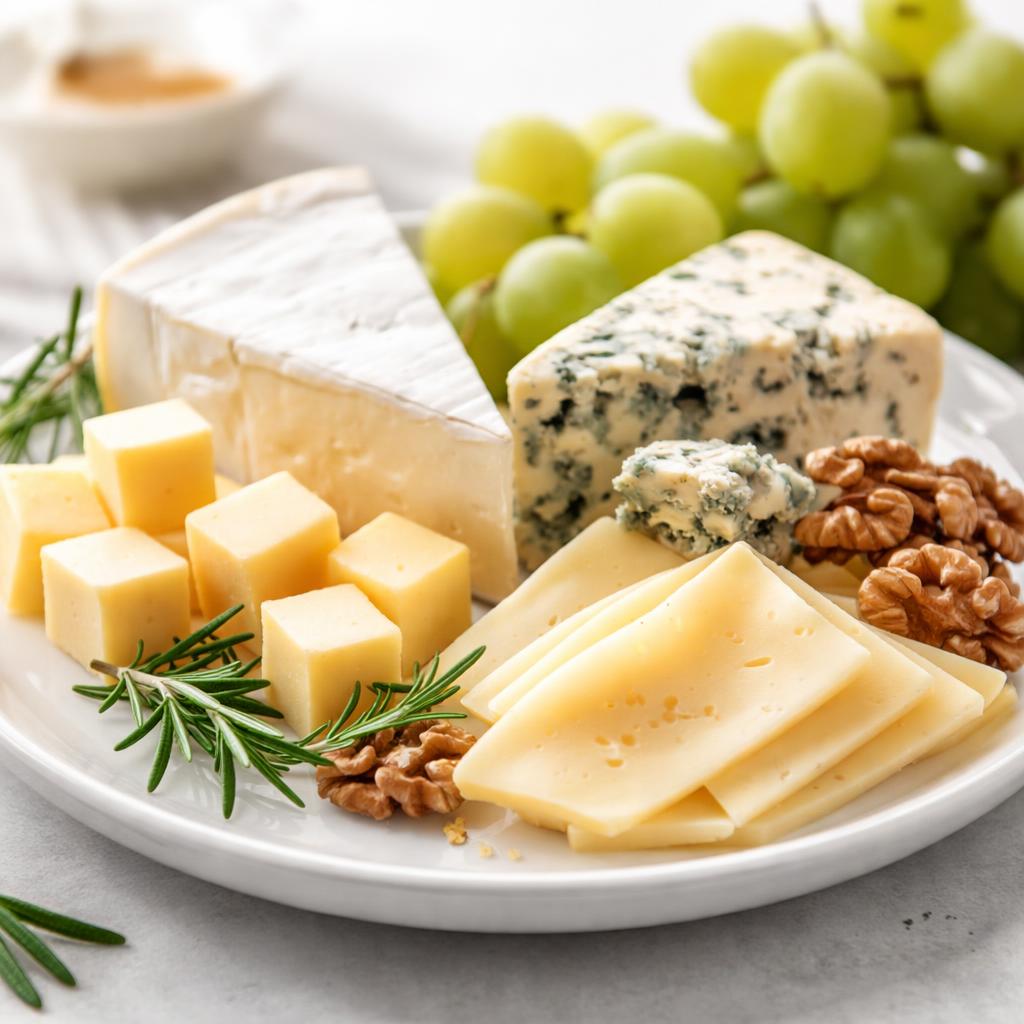
Cheese
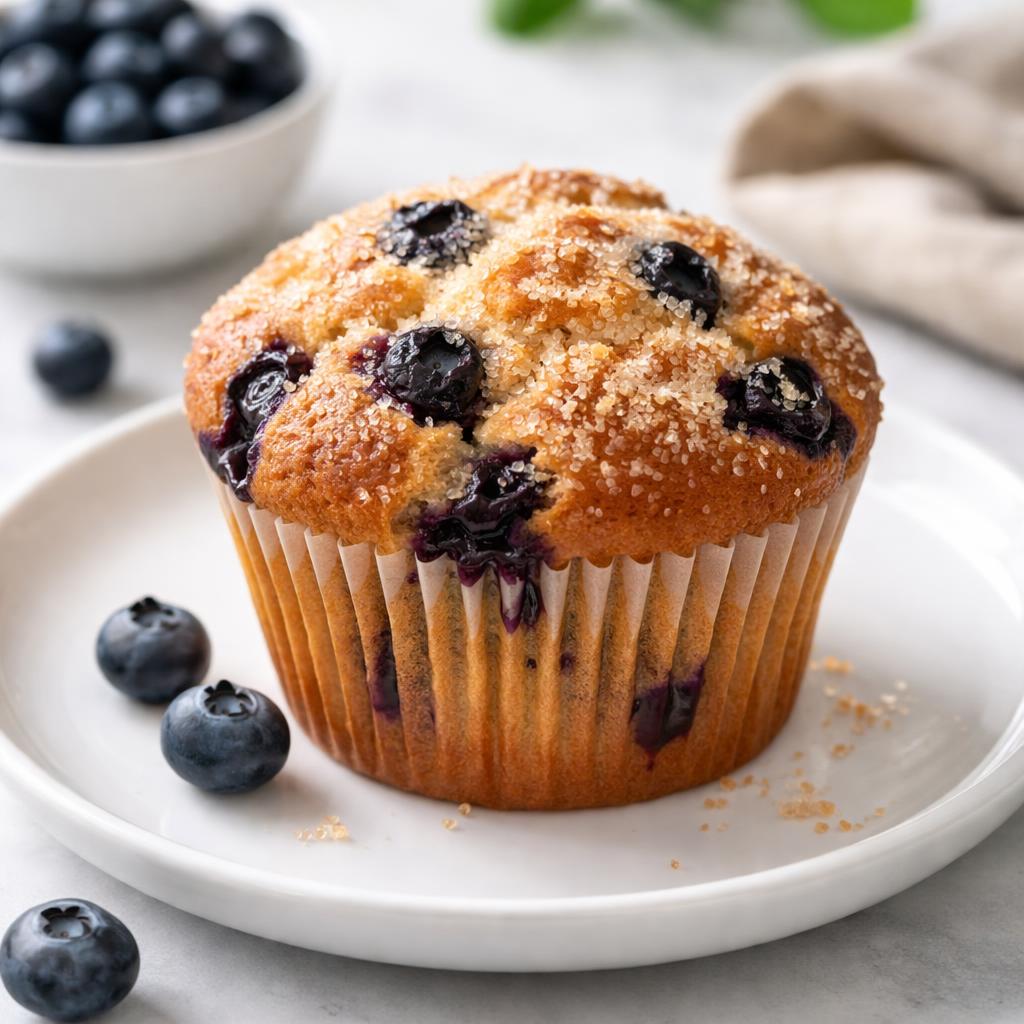
Muffin
🎯 Quick Verdict
Cheese is higher in protein and lower in carbohydrates than muffins, making it more suitable for low-carb and high-protein diets. Muffins provide more fiber and energy due to their higher carbohydrate content, making them better for sustained energy or quick snacks for active individuals.

Smart Nutrition Tracking with SnapCalorie

📊 Nutritional Comparison
Macronutrients
| Nutrient | Food 1 | Food 2 | Winner |
|---|---|---|---|
| Calories | 113 | 200 | ✓ |
| Protein | 7g | 2g | ✓ |
| Carbs | 1g | 30g | ✓ |
| Fat | 9g | 8g | ✓ |
| Fiber | 0g | 1g | ✓ |
Vitamins & Minerals
| Nutrient | Food 1 | Food 2 | Winner |
|---|---|---|---|
| Calcium | 200mg | 15mg | ✓ |
| Vitamin A | 281IU | 50IU | ✓ |
| Iron | 0.2mg | 1.5mg | ✓ |
🏆 Category Winners
Protein
Cheese has 3.5 times more protein per serving than muffins.
Fiber
Muffins provide dietary fiber which cheese lacks entirely.
Calories
Cheese contains almost 45% fewer calories compared to muffins.
Vitamins
Cheese is superior in calcium and vitamin A, important for bone and eye health.
🥗 Diet Compatibility
Keto
Food 1: Compatible
Food 2: Not Compatible
Cheese is low-carb and high-fat, making it suitable for keto.
Vegan
Food 1: Not Compatible
Food 2: Compatible
Only muffins can be vegan if made without animal-derived products.
Gluten Free
Food 1: Compatible
Food 2: Not Compatible
Cheese is naturally gluten-free, but muffins often use wheat-based flour.
Paleo
Food 1: Not Compatible
Food 2: Not Compatible
Cheese is dairy-based, and muffins typically contain grains, both avoided in paleo diets.
Low-Carb
Food 1: Compatible
Food 2: Not Compatible
Cheese is low-carb (1g per serving), while muffins are high-carb (30g per serving).
💪 Health Benefits Comparison
Food 1 Benefits
- Rich source of calcium for stronger bones and teeth
- High in protein for muscle repair and growth
- Contains vitamin A to support healthy vision
- Provides healthy fats important for energy balance
Food 2 Benefits
- Supplies carbohydrates for quick energy
- Provides dietary fiber for digestive health
- Good source of iron for oxygen transport in the body
- Can be fortified with nutrients for additional health benefits
✅ The Bottom Line
Cheese is a better option for those focused on protein intake, low-carb diets, or wanting a nutrient-dense food. Muffins are ideal for quick energy needs or fiber intake but are less suited for restrictive diets. Both have their place depending on dietary goals.
Choose Food 1 for: Low-carb diets, keto meals, high-protein snacks, muscle recovery
Choose Food 2 for: Quick energy, fiber-rich snacks, casual eating, vegan options


