Cheese VS Mozzarella Balls
A detailed nutritional comparison
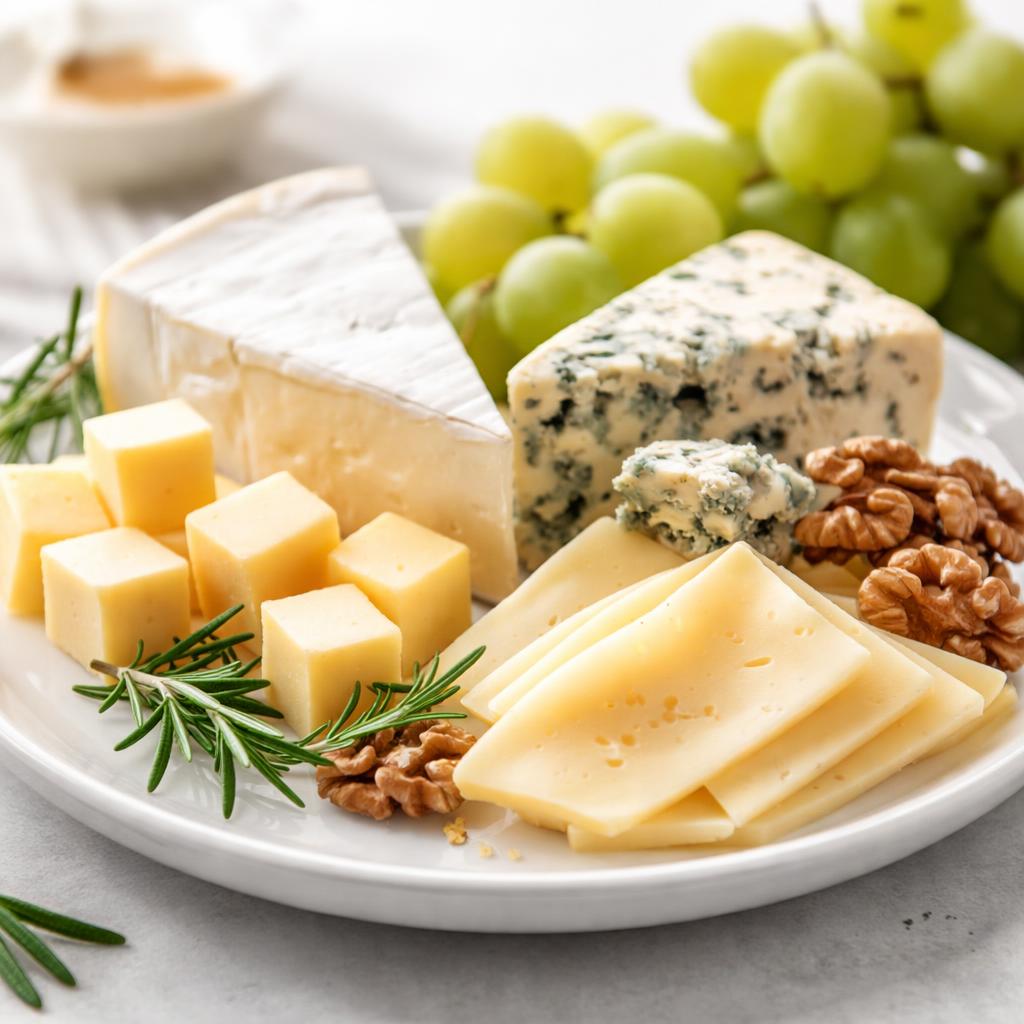
Cheese
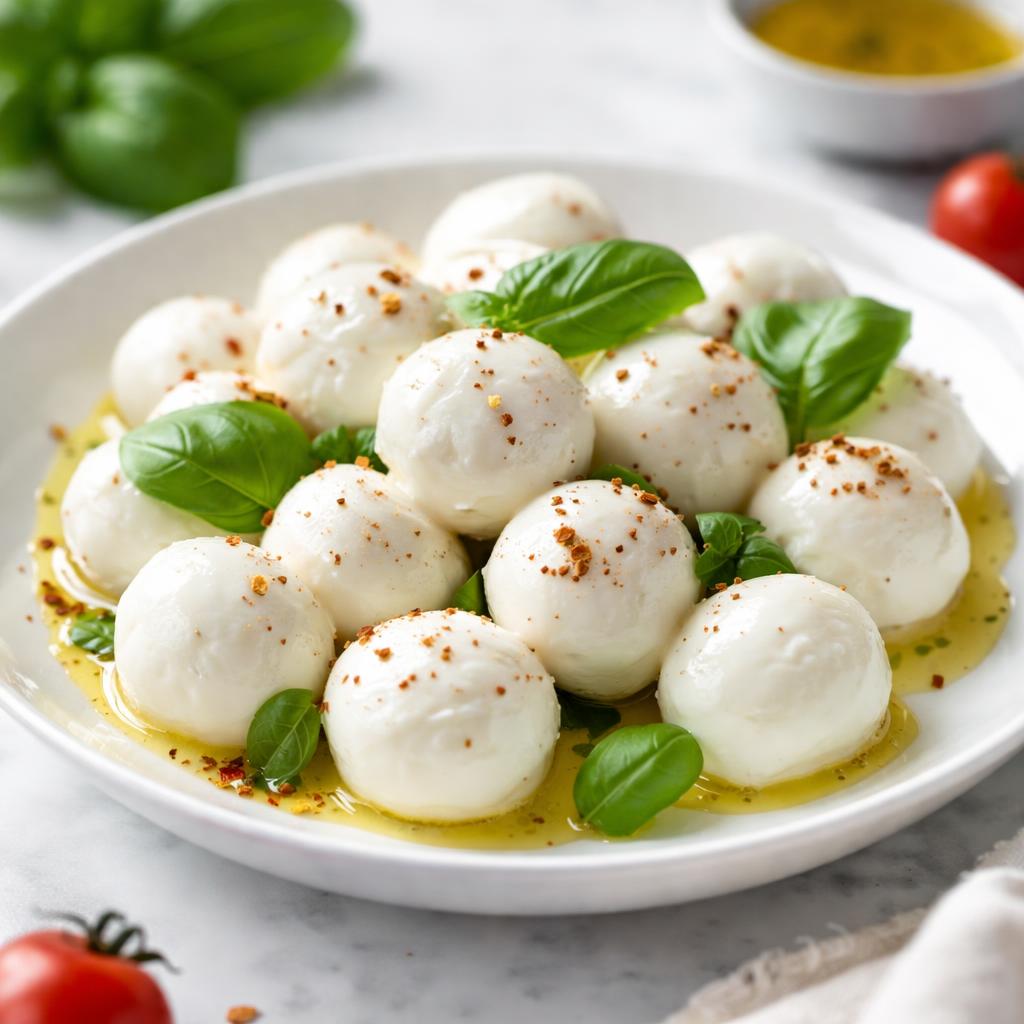
Mozzarella Balls
🎯 Quick Verdict
Cheese and mozzarella balls both bring unique nutritional offerings. Cheese offers more protein and key vitamins like calcium, which is great for bone health, while mozzarella balls have lower calories and fat content, making them suitable for lighter meals or snacks. Both are versatile and can fit different dietary goals depending on portion size and intent.

Smart Nutrition Tracking with SnapCalorie

📊 Nutritional Comparison
Macronutrients
| Nutrient | Food 1 | Food 2 | Winner |
|---|---|---|---|
| Calories | 113 | 85 | ✓ |
| Protein | 7g | 6g | ✓ |
| Carbs | 1g | 1g | − |
| Fat | 9g | 6g | ✓ |
| Fiber | 0g | 0g | − |
Vitamins & Minerals
| Nutrient | Food 1 | Food 2 | Winner |
|---|---|---|---|
| Vitamin D | 0.2mcg | 0.1mcg | ✓ |
| Calcium | 200mg | 150mg | ✓ |
| Iron | 0.2mg | 0.1mg | ✓ |
🏆 Category Winners
Protein
Cheese provides 16% more protein per serving, making it better for muscle maintenance.
Fiber
Neither food contains dietary fiber.
Calories
Mozzarella balls have 25% fewer calories per serving.
Vitamins
Cheese offers slightly higher amounts of vitamin D and calcium compared to mozzarella balls.
🥗 Diet Compatibility
Keto
Food 1: Compatible
Food 2: Compatible
Both foods are low-carb and high in fat, making them suitable for ketogenic diets.
Vegan
Food 1: Not Compatible
Food 2: Not Compatible
Both are dairy-based and unsuitable for vegan diets.
Gluten Free
Food 1: Compatible
Food 2: Compatible
Neither food contains gluten, making them safe for gluten-free diets.
Paleo
Food 1: Not Compatible
Food 2: Not Compatible
Both are processed dairy products and not strictly compatible with paleo diets.
Low Carb
Food 1: Compatible
Food 2: Compatible
Both foods have minimal carbohydrate content (1g per serving).
💪 Health Benefits Comparison
Food 1 Benefits
- Rich source of calcium for bone health
- Provides high-quality protein for muscle maintenance
- Contains traces of vitamin D for overall immune support
Food 2 Benefits
- Lower in calories, suitable for lighter meals or snacks
- Contains healthy fats for heart health
- Rich in calcium for maintaining strong bones
✅ The Bottom Line
Cheese and mozzarella balls are nutrient-rich options with different strengths. Choose cheese for higher protein and calcium levels, ideal for a post-workout boost or bone health. Opt for mozzarella balls for lower calories and fat if you're aiming for lighter meals or snacks.
Choose Food 1 for: Muscle maintenance, bone health, ketogenic diets
Choose Food 2 for: Light snack, calorie-conscious meals, heart health


