Cheese VS Italian Dressing
A detailed nutritional comparison
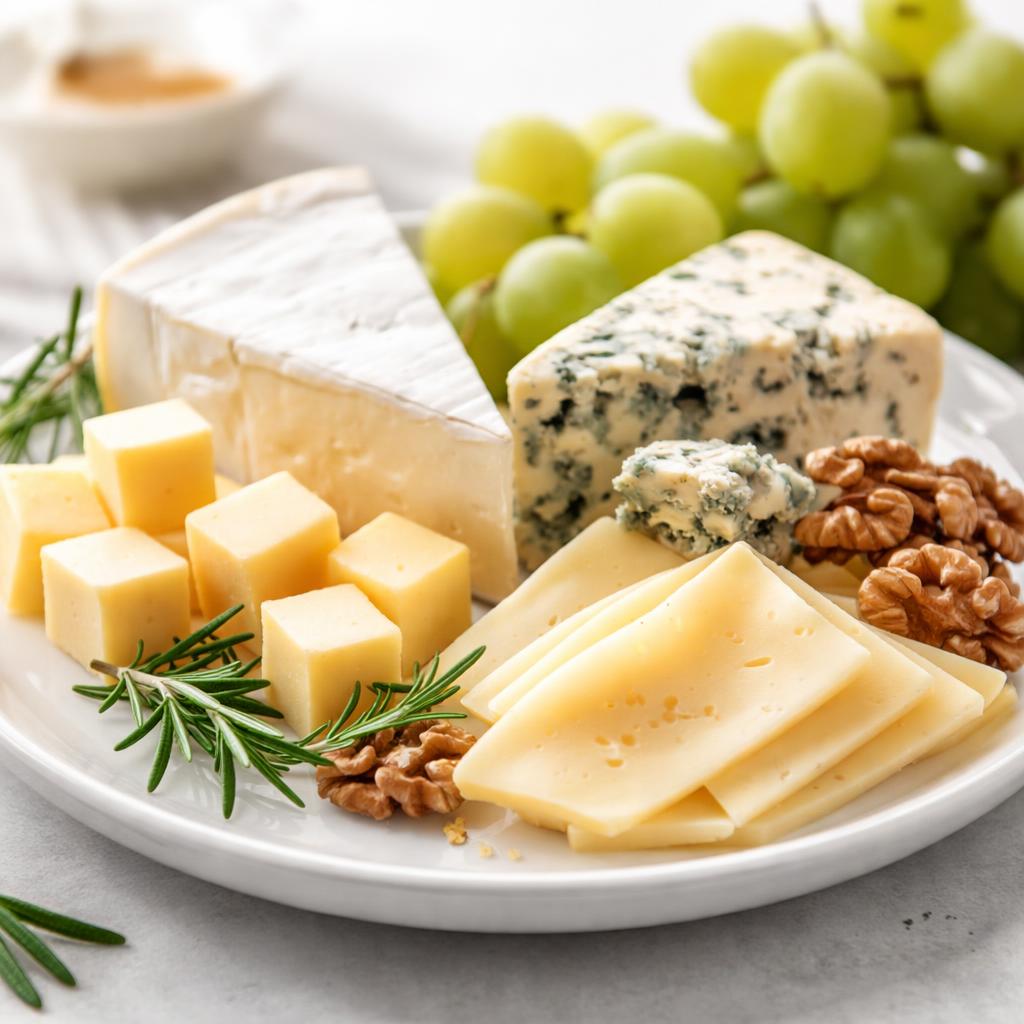
Cheese
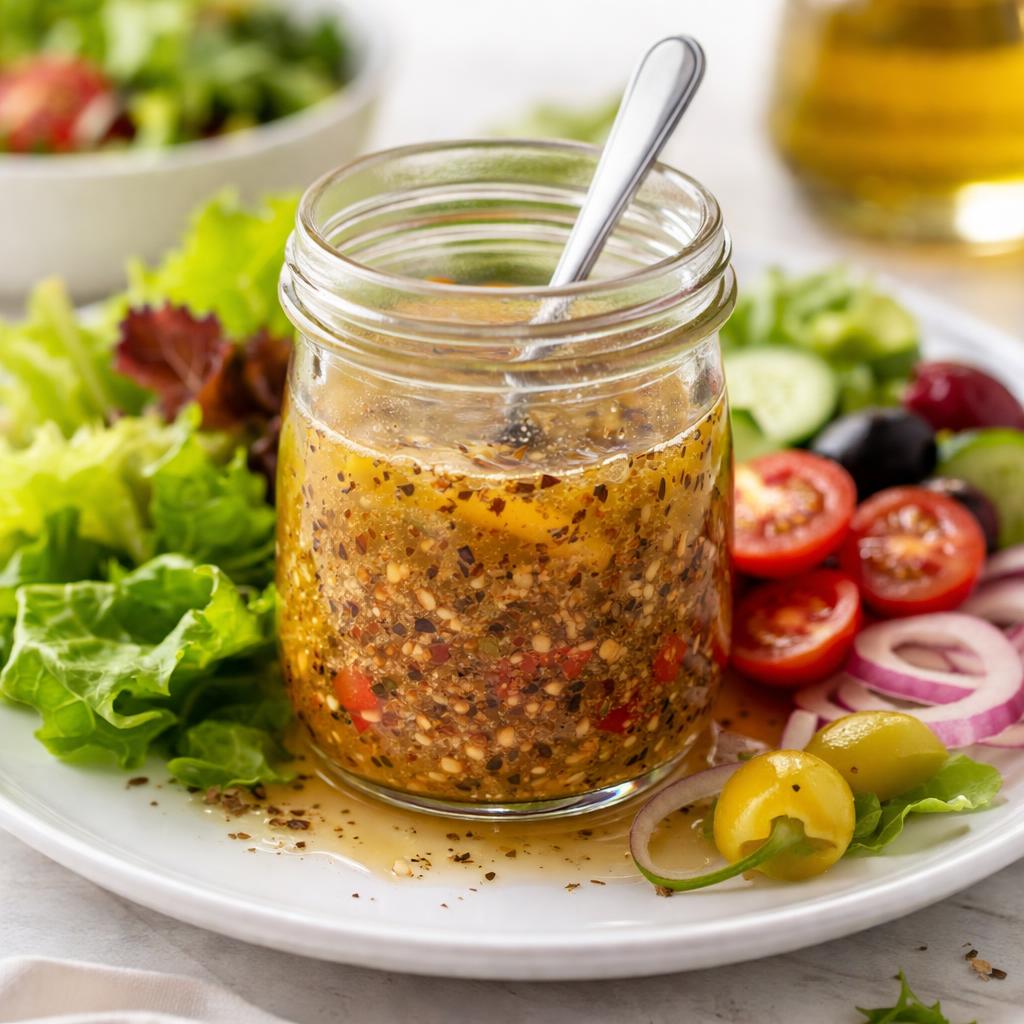
Italian Dressing
🎯 Quick Verdict
Cheese outshines Italian dressing in terms of protein and overall nutrient density, making it a better choice for muscle building and weight management. Italian dressing is lower in protein but can add flavor and healthy fats, making it useful for salads or enhancing dishes without adding too much bulk.

Smart Nutrition Tracking with SnapCalorie

📊 Nutritional Comparison
Macronutrients
| Nutrient | Food 1 | Food 2 | Winner |
|---|---|---|---|
| Calories | 120 | 80 | ✓ |
| Protein | 7g | 0g | ✓ |
| Carbs | 1g | 2g | ✓ |
| Fat | 10g | 7g | ✓ |
| Fiber | 0g | 0g | − |
Vitamins & Minerals
| Nutrient | Food 1 | Food 2 | Winner |
|---|---|---|---|
| Vitamin D | 0.4mcg | 0mcg | ✓ |
| Calcium | 200mg | 0mg | ✓ |
| Iron | 0.1mg | 0mg | ✓ |
🏆 Category Winners
Protein
Cheese provides 7g of protein per serving, while Italian dressing has 0g.
Fiber
Neither food contains fiber.
Calories
Italian dressing has 33% fewer calories compared to cheese.
🥗 Diet Compatibility
Keto
Food 1: Compatible
Food 2: Compatible
Both foods are low in carbohydrates.
Vegan
Food 1: Not Compatible
Food 2: Compatible
Cheese is derived from animal milk, while Italian dressing can be vegan depending on the brand.
Gluten Free
Food 1: Compatible
Food 2: Compatible
Neither food contains gluten.
Paleo
Food 1: Not Compatible
Food 2: Compatible
Cheese is not permitted on a strict paleo diet, but Italian dressing made from clean ingredients is suitable.
Low-Carb
Food 1: Compatible
Food 2: Compatible
Both foods are very low in carbohydrates.
💪 Health Benefits Comparison
Food 1 Benefits
- Rich in protein to support muscle maintenance
- Good source of calcium for bone health
- Provides small amounts of vitamin D for immune function
Food 2 Benefits
- Contains healthy fats for heart health
- Can enhance flavor without high-calorie additions
- May include antioxidants depending on ingredient quality
✅ The Bottom Line
Choose cheese if you are looking for a nutrient-dense, high-protein addition to meals, ideal for weight management, keto, or bone health. Opt for Italian dressing when you need a flavorful, lower-calorie option for salads or dishes that align with vegan or paleo diets.
Choose Food 1 for: Weight management, muscle support, bone health
Choose Food 2 for: Salad enhancement, lower calorie diets, vegan/paleo lifestyles


