Cheese VS Hummus
A detailed nutritional comparison
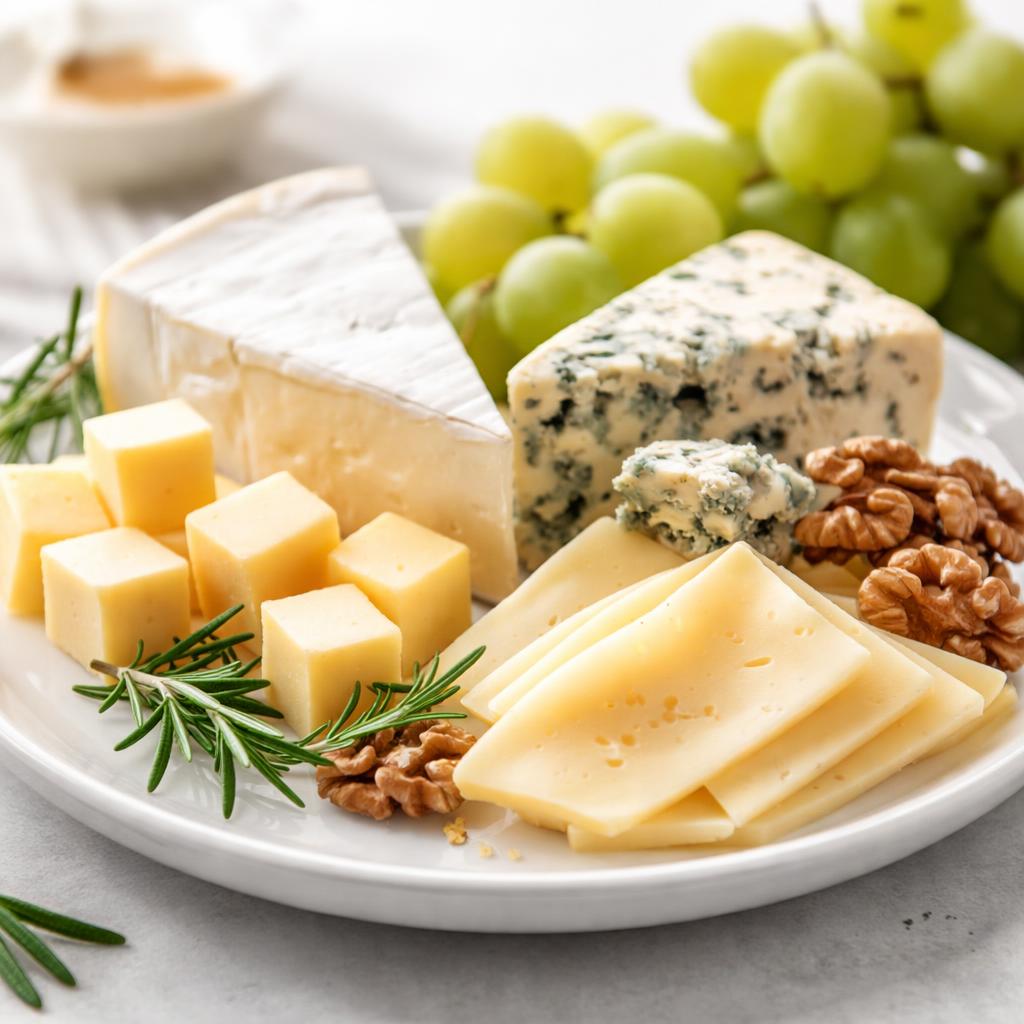
Cheese
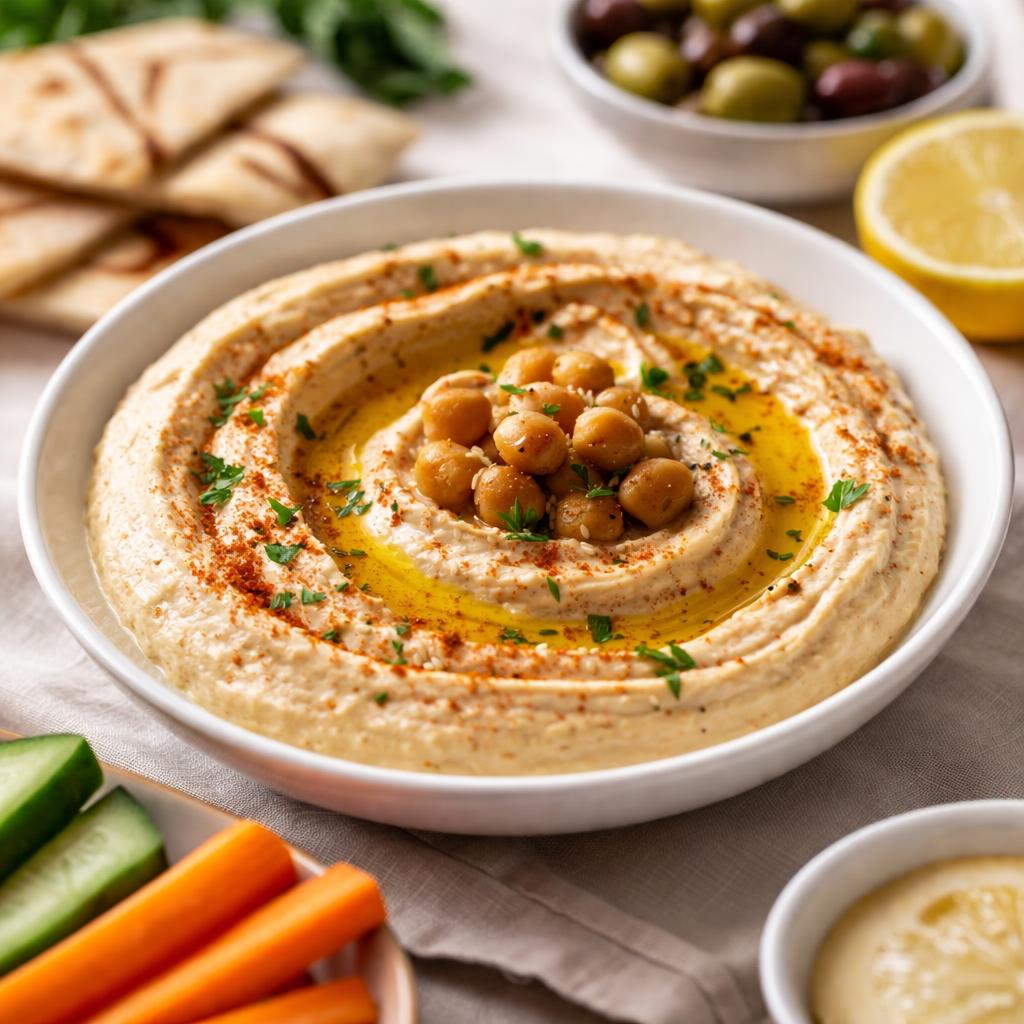
Hummus
🎯 Quick Verdict
Cheese is higher in protein, fats, and calcium, making it a nutrient-dense option for muscle support and bone health. Hummus, on the other hand, is lower in calories and fat, while being rich in fiber and plant-based nutrients, suitable for heart health and digestion. Choose cheese for high-protein needs and hummus for sustained energy and gut health benefits.

Smart Nutrition Tracking with SnapCalorie

📊 Nutritional Comparison
Macronutrients
| Nutrient | Food 1 | Food 2 | Winner |
|---|---|---|---|
| Calories | 113 | 70 | ✓ |
| Protein | 7g | 2.4g | ✓ |
| Carbs | 1g | 6g | ✓ |
| Fat | 9g | 3.6g | ✓ |
| Fiber | 0g | 1.5g | ✓ |
Vitamins & Minerals
| Nutrient | Food 1 | Food 2 | Winner |
|---|---|---|---|
| Vitamin D | 0.1mcg | 0mcg | ✓ |
| Calcium | 200mg | 18mg | ✓ |
| Iron | 0.2mg | 1mg | ✓ |
🏆 Category Winners
Protein
Cheese has nearly 3x more protein than hummus, beneficial for muscle repair and maintenance.
Fiber
Hummus contains fiber which is absent in cheese, aiding digestion and gut health.
Calories
Hummus provides a lower-calorie option, better suited for weight management.
🥗 Diet Compatibility
Keto
Food 1: Compatible
Food 2: Compatible
Both cheese and hummus are low-carb, though cheese fits stricter keto macros better.
Vegan
Food 1: Not Compatible
Food 2: Compatible
Cheese is an animal product, while hummus is fully plant-based.
Gluten Free
Food 1: Compatible
Food 2: Compatible
Neither food contains gluten.
Paleo
Food 1: Not Compatible
Food 2: Compatible
Cheese is excluded from paleo diets, while hummus is accepted if made with paleo-compliant ingredients.
Low-Carb
Food 1: Compatible
Food 2: Partially Compatible
Cheese is extremely low in carbs, while hummus is moderately low-carb with ~6g per serving.
💪 Health Benefits Comparison
Food 1 Benefits
- High-quality protein supports muscle maintenance
- Rich in calcium, beneficial for bone health
- Contains small amounts of vitamin D for immune support
Food 2 Benefits
- Rich in fiber, aiding digestion and promoting satiety
- Contains heart-healthy fats from olive oil and tahini
- Provides plant-based iron, important for energy production
✅ The Bottom Line
Both cheese and hummus have their merits, depending on dietary goals. Cheese is best for those seeking high-protein, low-carb options with added calcium. Hummus suits those prioritizing lower calories, fiber, and plant-based nutrition. Pair cheese with vegetables for a high-protein snack or hummus with whole-grain crackers for a balanced, energizing bite.
Choose Food 1 for: Muscle building, keto diets, calcium intake
Choose Food 2 for: Weight management, vegan diets, heart health


