Cheese VS Herbs
A detailed nutritional comparison
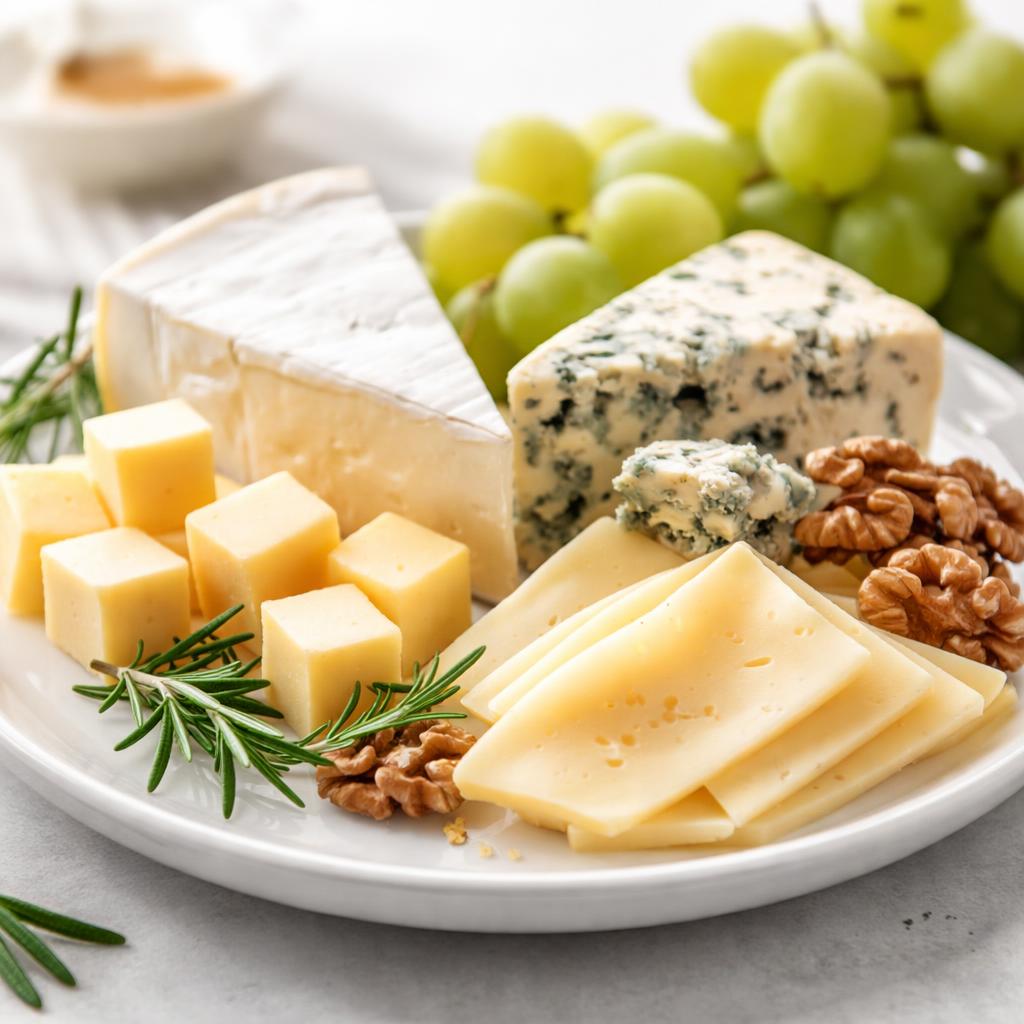
Cheese
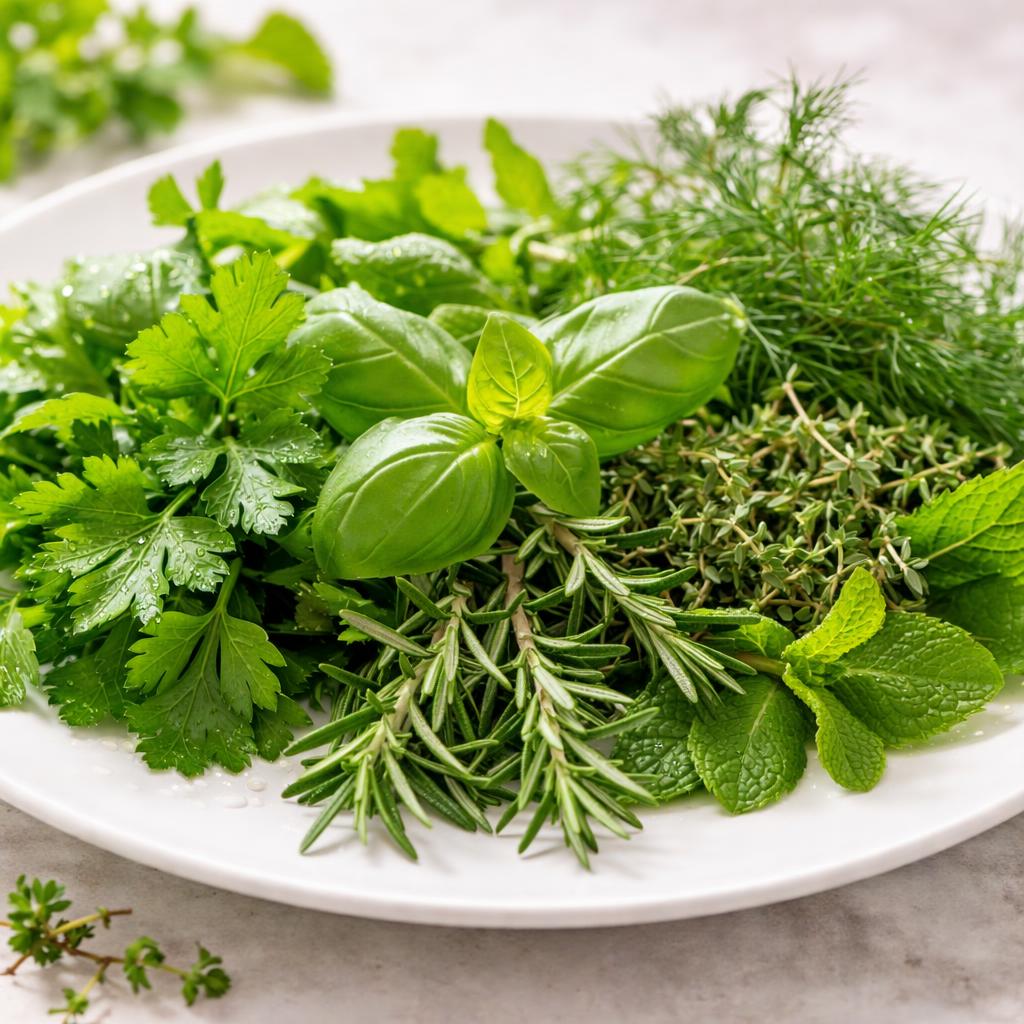
Herbs
🎯 Quick Verdict
Cheese and herbs differ significantly in their nutritional profiles. Cheese offers higher protein and calcium content while herbs are much lower in calories and rich in fiber. Cheese is ideal for protein and fat needs, whereas herbs are suited for low-calorie diets and adding micronutrients without extra calories.

Smart Nutrition Tracking with SnapCalorie

📊 Nutritional Comparison
Macronutrients
| Nutrient | Food 1 | Food 2 | Winner |
|---|---|---|---|
| Calories | 113 per oz | 30 per cup | ✓ |
| Protein | 7g per oz | 0.8g per cup | ✓ |
| Carbs | 1g per oz | 6g per cup | − |
| Fat | 9g per oz | 0.5g per cup | ✓ |
| Fiber | 0g | 1g per cup | ✓ |
Vitamins & Minerals
| Nutrient | Food 1 | Food 2 | Winner |
|---|---|---|---|
| Vitamin D | 0.2mcg per oz | 0mcg | ✓ |
| Calcium | 200mg per oz | 10mg per cup | ✓ |
| Iron | 0.2mg per oz | 2mg per cup | ✓ |
| Vitamin K | 2mcg per oz | 100mcg per cup | ✓ |
🏆 Category Winners
Protein
Cheese provides 7g of high-quality protein per ounce, compared to 0.8g in herbs.
Fiber
Herbs contain 1g of fiber per cup, while cheese contains none.
Calories
Herbs are significantly lower in calories, with 30 calories per cup compared to cheese at 113 calories per ounce.
Vitamins
Herbs are a better source of key vitamins like iron and vitamin K.
🥗 Diet Compatibility
Keto
Food 1: Compatible
Food 2: Compatible
Both foods are low in carbs but herbs have slightly more per serving.
Vegan
Food 1: Not Compatible
Food 2: Compatible
Cheese is an animal product, while herbs are plant-based.
Gluten Free
Food 1: Compatible
Food 2: Compatible
Both are naturally free of gluten.
Paleo
Food 1: Compatible
Food 2: Compatible
Both foods align with paleo guidelines, but cheese should be limited depending on the strictness of the diet.
Low Carb
Food 1: Compatible
Food 2: Compatible
Both foods are low-carb, though cheese is especially suitable for such diets due to minimal carbs.
💪 Health Benefits Comparison
Food 1 Benefits
- Rich in protein for muscle repair and growth
- High in calcium to support bone health
- Provides vitamin D for immune and bone health
Food 2 Benefits
- Low in calories, making it ideal for weight management
- High in antioxidants for combating inflammation
- Contains fiber to improve digestion and gut health
- Excellent source of vitamin K for blood clotting and bone health
✅ The Bottom Line
Cheese and herbs serve very different purposes in a diet. Cheese is nutrient-dense with protein and calcium, making it ideal for muscle repair, bone health, and low-carb meals. Herbs, rich in fiber and antioxidants, are perfect for low-calorie diets, adding flavor without compromising nutrition. Consider your goals when choosing between these two foods.
Choose Food 1 for: Muscle building, calcium needs, low-carb or keto diets
Choose Food 2 for: Low-calorie diets, heart health, adding nutrients without extra calories


