Cheese VS Fried Chicken
A detailed nutritional comparison
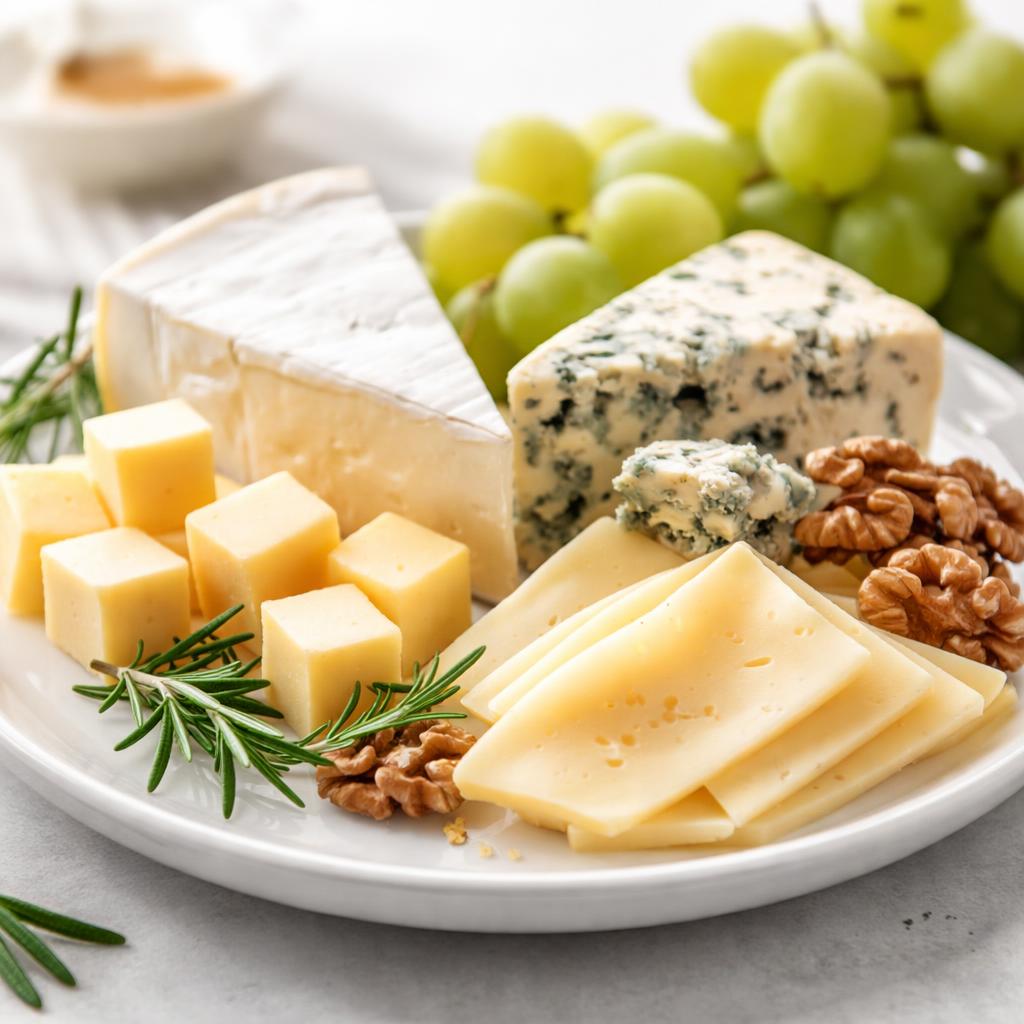
Cheese
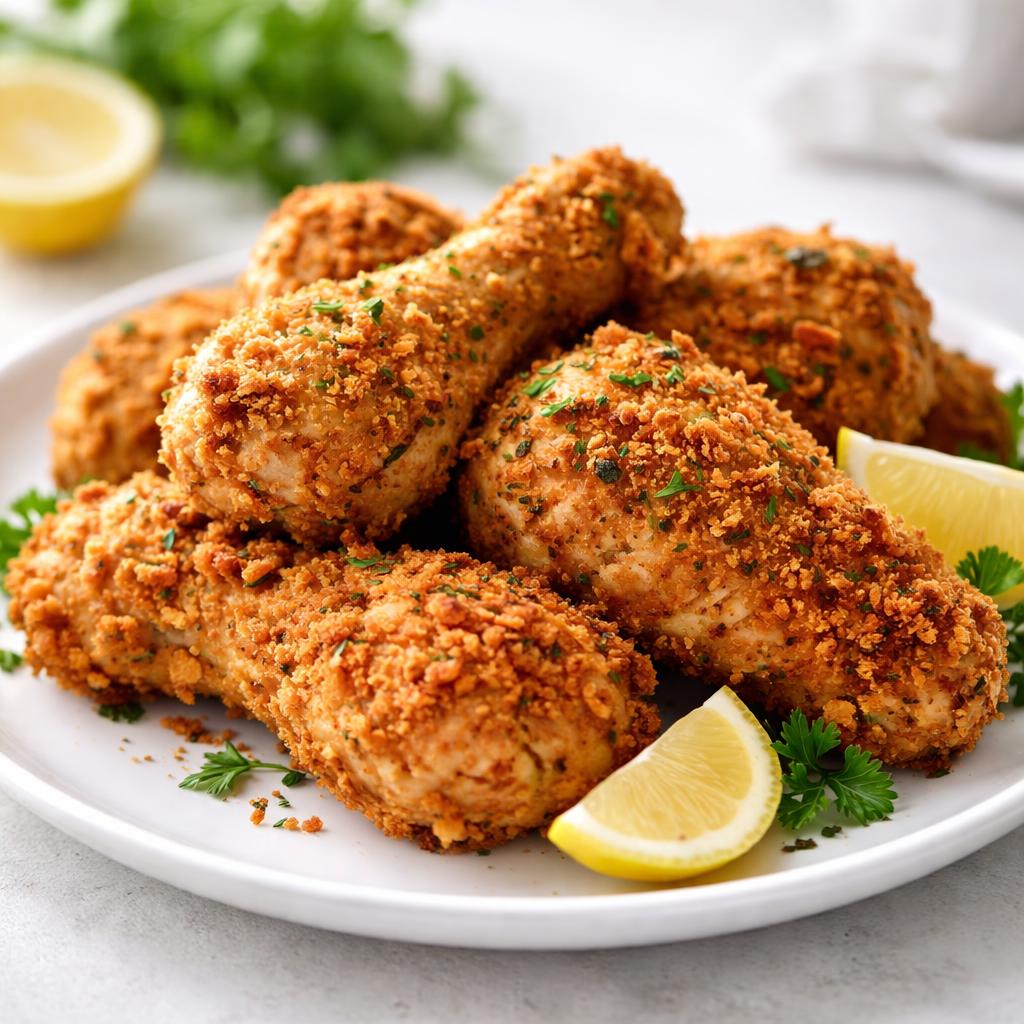
Fried Chicken
🎯 Quick Verdict
Cheese is lower in calories and a good source of calcium and fat, making it suitable for low-carb diets. Fried chicken, on the other hand, provides slightly more protein per serving but is higher in calories and fat due to the frying process. Both foods lack dietary fiber, making them less ideal for digestion-focused diets.

Smart Nutrition Tracking with SnapCalorie

📊 Nutritional Comparison
Macronutrients
| Nutrient | Food 1 | Food 2 | Winner |
|---|---|---|---|
| Calories | 402 per 100g | 484 per 100g | − |
| Protein | 25g | 30g | − |
| Carbs | 1.3g | 8g | − |
| Fat | 33g | 25g | − |
| Fiber | 0g | 0g | − |
Vitamins & Minerals
| Nutrient | Food 1 | Food 2 | Winner |
|---|---|---|---|
| Vitamin D | 1.1mcg | 0mcg | − |
| Calcium | 721mg | 15mg | − |
| Iron | 0.4mg | 0.9mg | − |
🏆 Category Winners
Protein
Fried chicken provides 20% more protein per serving.
Fiber
Neither food contains dietary fiber.
Calories
Cheese has 17% fewer calories than fried chicken per 100g.
Vitamins
Cheese is significantly higher in calcium and vitamin D.
🥗 Diet Compatibility
Keto
Food 1: Compatible
Food 2: Compatible
Both are low in carbohydrates.
Vegan
Food 1: Not Compatible
Food 2: Not Compatible
Both are animal-derived products.
Gluten Free
Food 1: Compatible
Food 2: Depends
Cheese is naturally gluten-free; fried chicken is gluten-free if prepared without breading.
Paleo
Food 1: Not Compatible
Food 2: Depends
Cheese is not paleo; fried chicken can be made paleo if unbreaded and fried with allowable oils.
Low-Carb
Food 1: Compatible
Food 2: Compatible
Cheese has minimal carbs; fried chicken has slightly more due to potential breading.
💪 Health Benefits Comparison
Food 1 Benefits
- High in calcium for strong bones
- Contains healthy fats for energy and nutrient absorption
- Rich in vitamin D for immune support
Food 2 Benefits
- High protein content supports muscle growth
- Contains iron for oxygen transport in the blood
- Provides energy and satisfies hunger when made from quality ingredients
✅ The Bottom Line
Choose cheese for low-carb diets, calcium, and vitamin D enrichment. Fried chicken is better for high-protein diets but may add more calories and fat unless prepared healthfully. Moderation is key for both options, especially given their lack of fiber.
Choose Food 1 for: Low-carb diets, bone health, keto diet
Choose Food 2 for: Muscle building, satisfying hunger, protein-rich meals


