Cheese VS French Toast
A detailed nutritional comparison
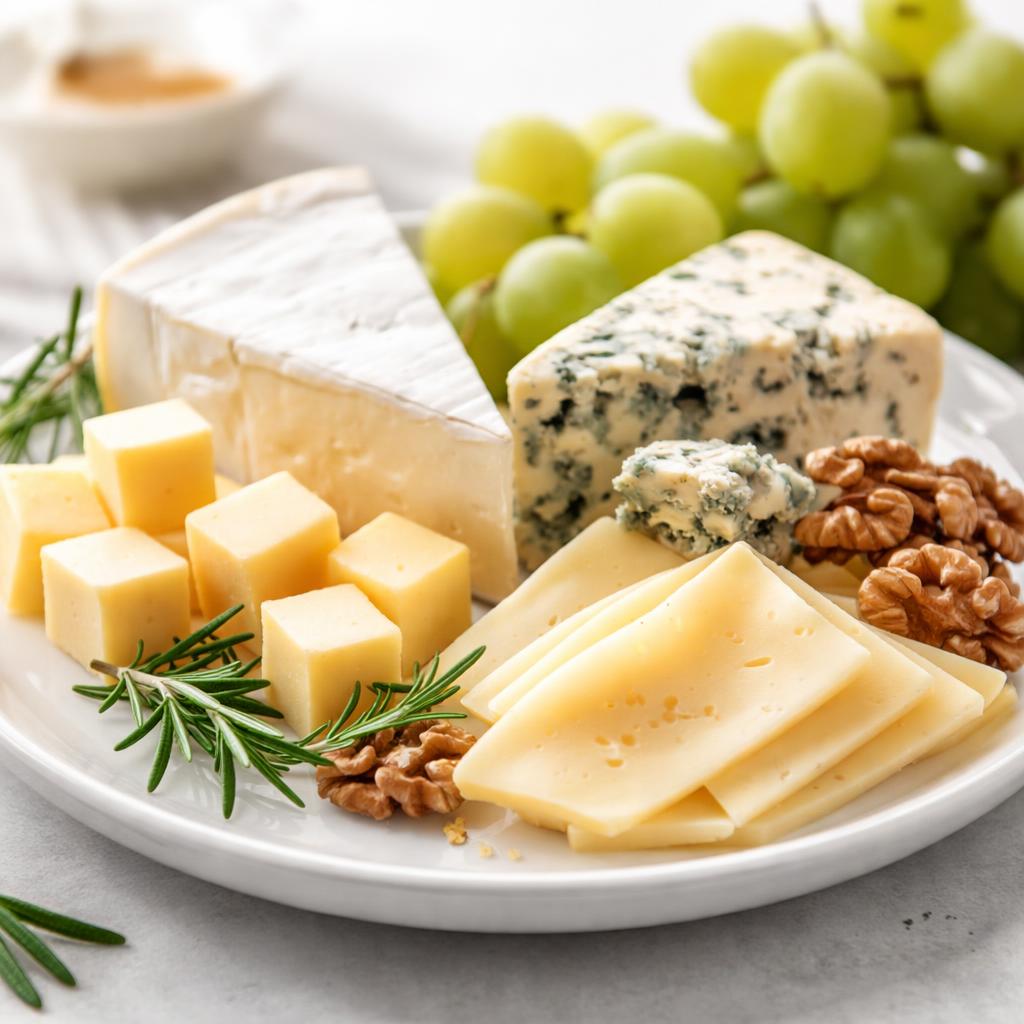
Cheese
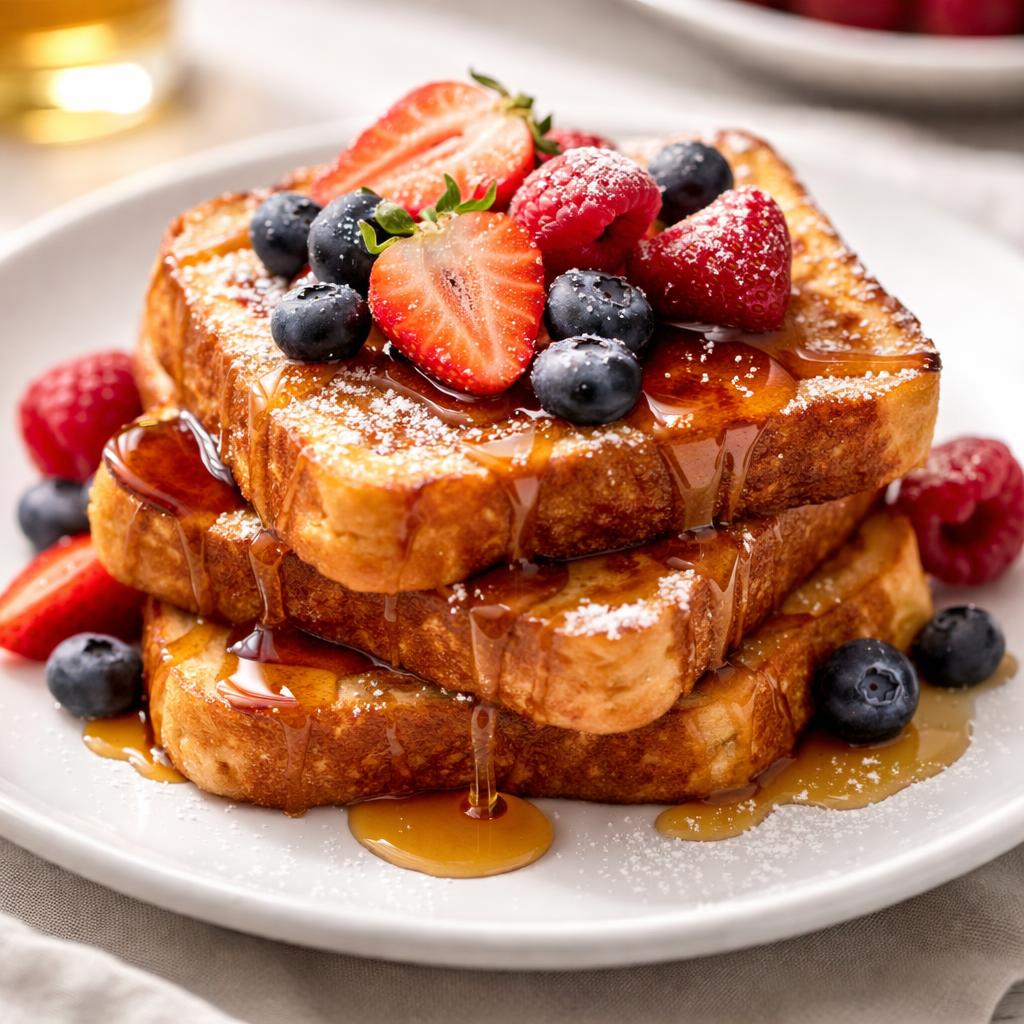
French Toast
🎯 Quick Verdict
Cheese is higher in protein and lower in calories, making it an excellent choice for those watching their weight or looking to boost protein intake. French toast, while slightly higher in carbs and calories, provides more fiber and can offer sustained energy due to its nutrient-density, particularly when made with whole-grain bread and toppings like fruit or syrup.

Smart Nutrition Tracking with SnapCalorie

📊 Nutritional Comparison
Macronutrients
| Nutrient | Food 1 | Food 2 | Winner |
|---|---|---|---|
| Calories | 113 | 190 | ✓ |
| Protein | 7g | 6g | ✓ |
| Carbs | 1g | 23g | ✓ |
| Fat | 9g | 8g | ✓ |
| Fiber | 0g | 2g | ✓ |
Vitamins & Minerals
| Nutrient | Food 1 | Food 2 | Winner |
|---|---|---|---|
| Vitamin D | 0.2mcg | 0.1mcg | ✓ |
| Calcium | 200mg | 100mg | ✓ |
| Iron | 0mg | 1mg | ✓ |
🏆 Category Winners
Protein
Cheese has slightly more protein per serving than French toast.
Fiber
French toast contains 2g of fiber while cheese contains none.
Calories
Cheese is significantly lower in calories, with 113 versus 190 per serving.
Vitamins
Cheese provides more calcium and vitamin D, making it superior for bone health.
🥗 Diet Compatibility
Keto
Food 1: Compatible
Food 2: Not Compatible
Cheese is low-carb at 1g per serving; French toast is high-carb.
Vegan
Food 1: Not Compatible
Food 2: Not Compatible
Neither food is vegan due to dairy (cheese) and eggs (French toast).
Gluten Free
Food 1: Compatible
Food 2: Not Compatible
Cheese does not contain gluten, while French toast typically contains gluten from bread.
Paleo
Food 1: Not Compatible
Food 2: Not Compatible
Cheese and French toast are not paleo due to dairy and grains, respectively.
Low-Carb
Food 1: Compatible
Food 2: Not Compatible
Cheese is very low in carbs, whereas French toast is high-carb at 23g per serving.
💪 Health Benefits Comparison
Food 1 Benefits
- High in protein, supporting muscle maintenance and repair
- Rich in calcium, promoting bone health
- Contains vitamin D for immune support
Food 2 Benefits
- Good source of fiber, aiding digestion
- Provides sustained energy due to its carb content
- Can be nutrient-dense when made with whole-grain bread and healthy toppings
✅ The Bottom Line
Choose cheese for lower calories, higher protein, and compatibility with low-carb diets like keto. French toast is better for fiber and sustained energy, especially when made healthier with whole-grain bread or added fruit. Consider your dietary goals when making your choice.
Choose Food 1 for: Low-carb diets, weight management, post-workout muscle recovery
Choose Food 2 for: Breakfast, energy boost, high-fiber diets


