Cheese VS Fig
A detailed nutritional comparison
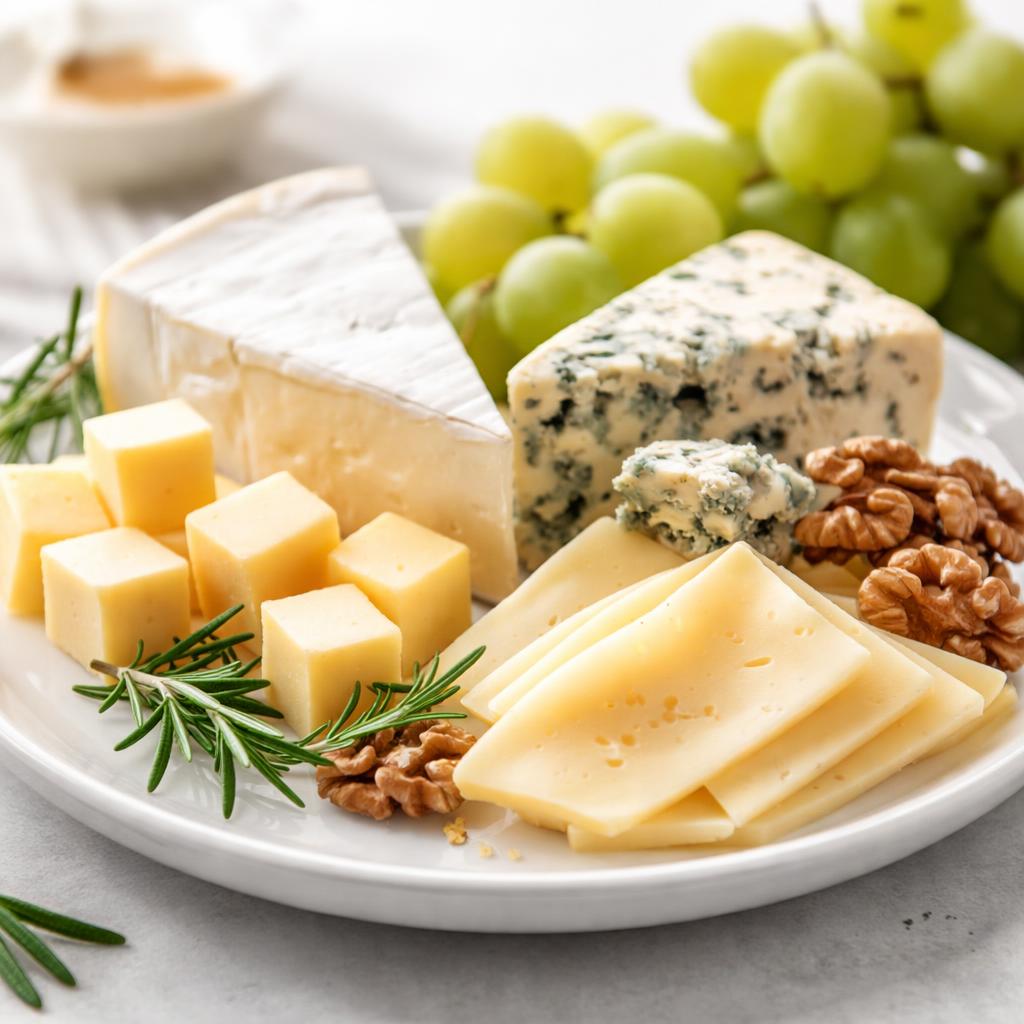
Cheese
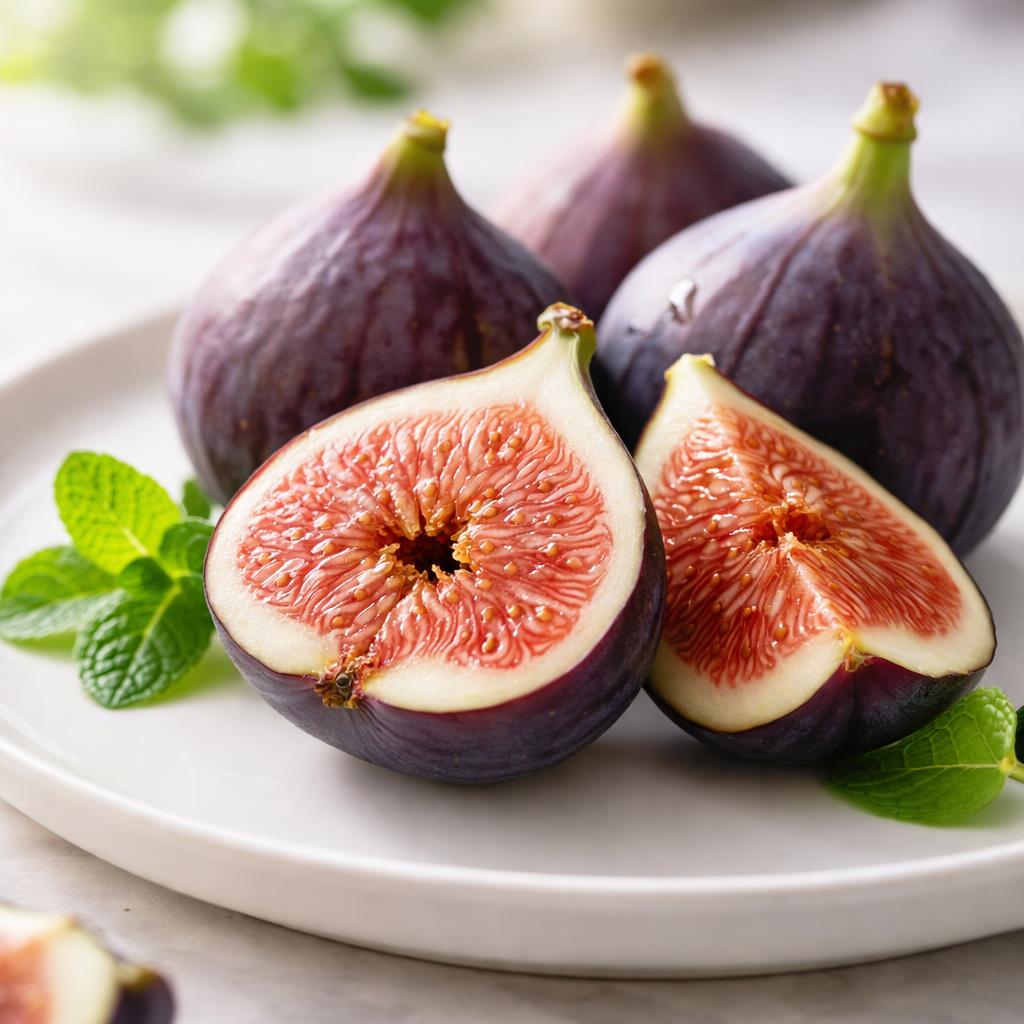
Fig
🎯 Quick Verdict
Cheese is a protein-rich and calcium-packed food ideal for muscle maintenance and bone health. Figs offer more fiber, fewer calories, and a sweet flavor loaded with antioxidants, making them great for digestion and sustained energy. Both have unique strengths suited for different dietary needs.

Smart Nutrition Tracking with SnapCalorie

📊 Nutritional Comparison
Macronutrients
| Nutrient | Food 1 | Food 2 | Winner |
|---|---|---|---|
| Calories | 402 kcal per 100g | 74 kcal per 100g | ✓ |
| Protein | 25g per 100g | 0.75g per 100g | ✓ |
| Carbs | 1.3g per 100g | 19g per 100g | − |
| Fat | 33g per 100g | 0.3g per 100g | ✓ |
| Fiber | 0g per 100g | 2.9g per 100g | ✓ |
Vitamins & Minerals
| Nutrient | Food 1 | Food 2 | Winner |
|---|---|---|---|
| Vitamin D | 0.7mcg per 100g | 0mcg per 100g | ✓ |
| Calcium | 721mg per 100g | 35mg per 100g | ✓ |
| Iron | 0.7mg per 100g | 0.4mg per 100g | ✓ |
| Vitamin C | 0mg per 100g | 2mg per 100g | ✓ |
🏆 Category Winners
Protein
Cheese offers significantly more protein, ideal for muscle growth.
Fiber
Figs contain nearly 3g of fiber per serving, while cheese has none.
Calories
Figs are much lower in calories (74 vs 402 kcal/100g).
Vitamins
Cheese wins for calcium and vitamin D, while figs excel in fiber and vitamin C.
🥗 Diet Compatibility
Keto
Food 1: Compatible
Food 2: Not Compatible
Cheese is low-carb, while figs are high-carb.
Vegan
Food 1: Not Compatible
Food 2: Compatible
Cheese is animal-derived; figs are plant-based.
Gluten Free
Food 1: Compatible
Food 2: Compatible
Both foods are gluten-free.
Paleo
Food 1: Not Compatible
Food 2: Compatible
Cheese is not paleo-friendly; figs are.
Low-Carb
Food 1: Compatible
Food 2: Not Compatible
Cheese contains only 1.3g carbs per serving; figs are high-carb.
💪 Health Benefits Comparison
Food 1 Benefits
- High-quality protein for muscle growth and repair
- Rich in calcium for strong bones and teeth
- Contains vitamin D for bone health and immunity
- Provides fat for long-lasting energy on keto diets
Food 2 Benefits
- High in dietary fiber for improved digestion
- Rich in antioxidants that combat free radicals
- Natural sweetness, making it a healthier alternative to refined sugar
- Provides vitamin C for immune support
✅ The Bottom Line
Cheese is best for those looking for a high-protein, low-carb option, particularly for muscle maintenance or keto diets. Figs are a better choice for fiber, overall lower calories, and a natural energy source. Both foods complement different dietary goals but serve distinct purposes.
Choose Food 1 for: Keto, high-protein diets, calcium supplementation, snacks or cooking
Choose Food 2 for: Weight management, digestion support, antioxidant intake, plant-based diets


