Cheese VS Fettuccine Alfredo
A detailed nutritional comparison
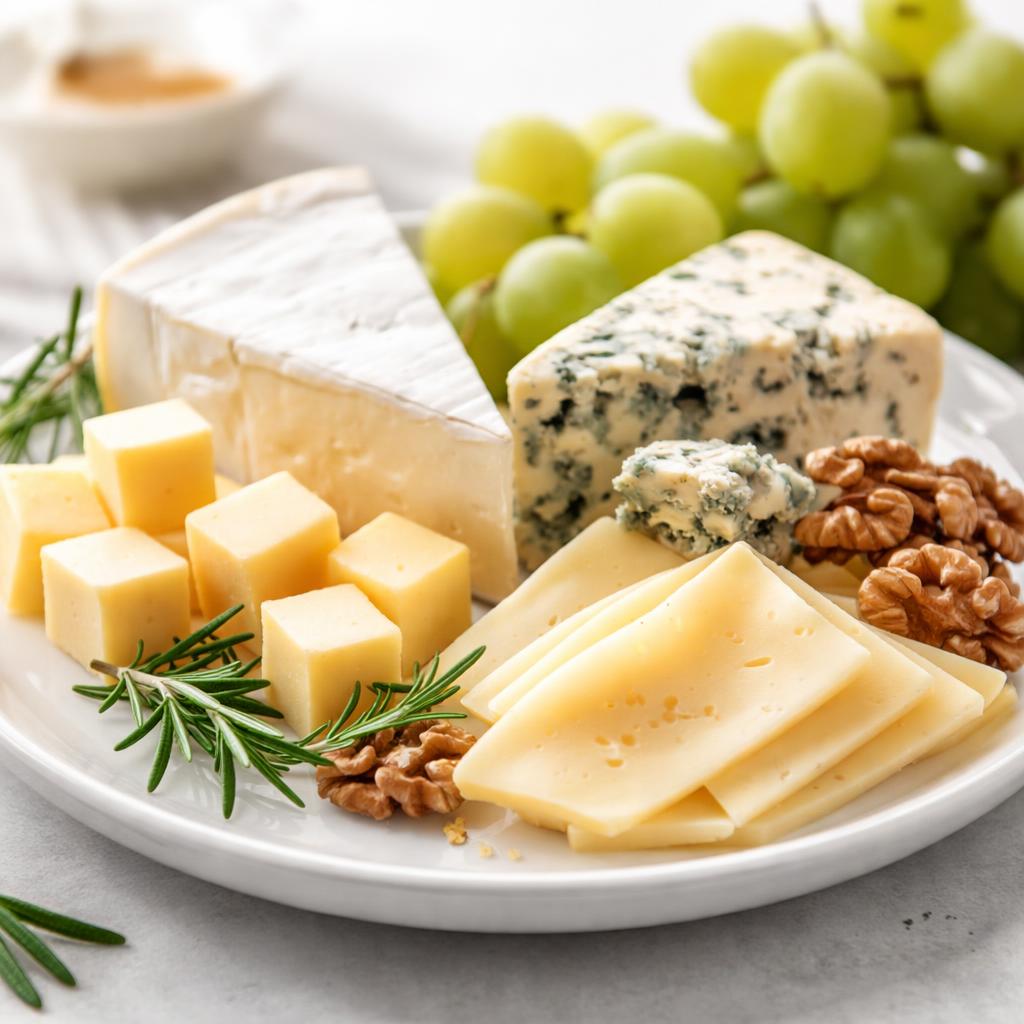
Cheese
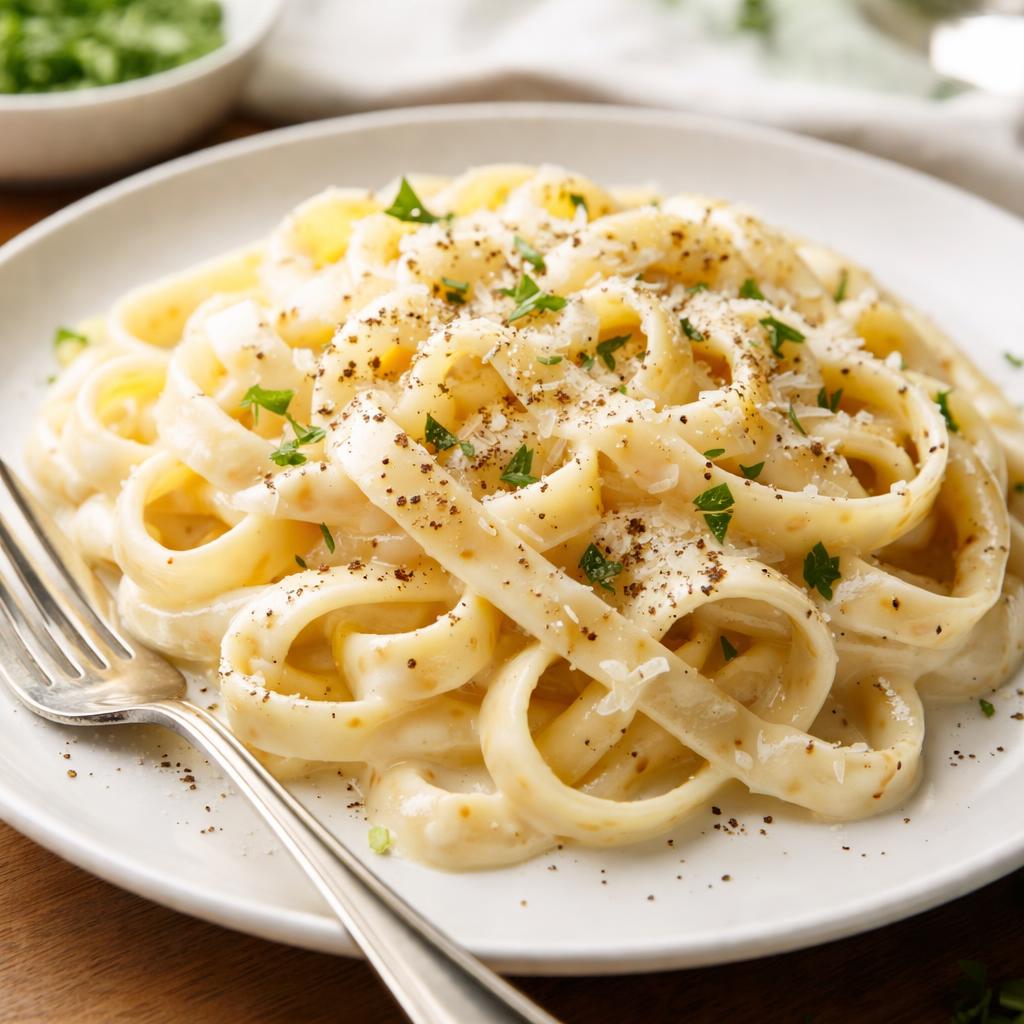
Fettuccine Alfredo
🎯 Quick Verdict
Cheese is a high-protein, low-carb food ideal for muscle maintenance and keto diets, while fettuccine alfredo is calorie-dense with more fiber and carbohydrates, making it suited for energy-focused diets. Each food serves distinct needs, with cheese being versatile for snacks or toppings, and fettuccine alfredo better for hearty meals.

Smart Nutrition Tracking with SnapCalorie

📊 Nutritional Comparison
Macronutrients
| Nutrient | Food 1 | Food 2 | Winner |
|---|---|---|---|
| Calories | 113 (per 1 oz) | 415 (per 1 cup) | ✓ |
| Protein | 7g | 13g | − |
| Carbs | 0.4g | 32g | ✓ |
| Fat | 9g | 30g | ✓ |
| Fiber | 0g | 2g | ✓ |
Vitamins & Minerals
| Nutrient | Food 1 | Food 2 | Winner |
|---|---|---|---|
| Vitamin D | 0.2mcg | 0mcg | ✓ |
| Calcium | 200mg | 150mg | ✓ |
| Iron | 0mg | 1mg | ✓ |
🏆 Category Winners
Protein
Cheese has a higher protein density per serving, making it effective for targeted protein intake.
Fiber
Fettuccine Alfredo contains dietary fiber, which cheese essentially lacks.
Calories
Cheese has fewer calories per ounce compared to fettuccine alfredo per cup.
Vitamins
Both generally provide some nutrients, suited for different needs, with cheese offering more calcium but fettuccine alfredo providing iron.
🥗 Diet Compatibility
Keto
Food 1: Compatible
Food 2: Not Compatible
Cheese is low-carb (<1g), while fettuccine alfredo is high-carb (32g per serving).
Vegan
Food 1: Not Compatible
Food 2: Not Compatible
Both foods contain dairy and are not vegan-friendly.
Gluten Free
Food 1: Compatible
Food 2: Not Compatible
Cheese is naturally gluten-free, while fettuccine alfredo contains wheat pasta.
Paleo
Food 1: Sometimes Compatible
Food 2: Not Compatible
Cheese is off-limits in strict paleo diets but allowed in some versions; pasta is not paleo-friendly.
Low Carb
Food 1: Compatible
Food 2: Not Compatible
Cheese is very low carb while fettuccine alfredo is not suitable due to its carb content.
💪 Health Benefits Comparison
Food 1 Benefits
- High in protein for muscle growth and repair
- Rich in calcium for bone health
- Low carb, ideal for weight loss and keto diets
Food 2 Benefits
- Provides sustained energy from carbohydrates
- Contains fiber for digestive health
- Rich in iron, supporting oxygen transportation in the body
✅ The Bottom Line
For weight loss or a high-protein diet, cheese is an excellent choice due to its low-calorie, high-nutrient profile and versatility. On the other hand, fettuccine alfredo is better for those needing energy-dense meals, though it is less compatible with restrictive diets like low-carb and gluten-free plans.
Choose Food 1 for: Low-carb diets, keto, muscle maintenance, and snacks/toppings.
Choose Food 2 for: Energy-rich meals, comfort food, and higher-carb diets.


