Cheese VS Dinner Roll
A detailed nutritional comparison
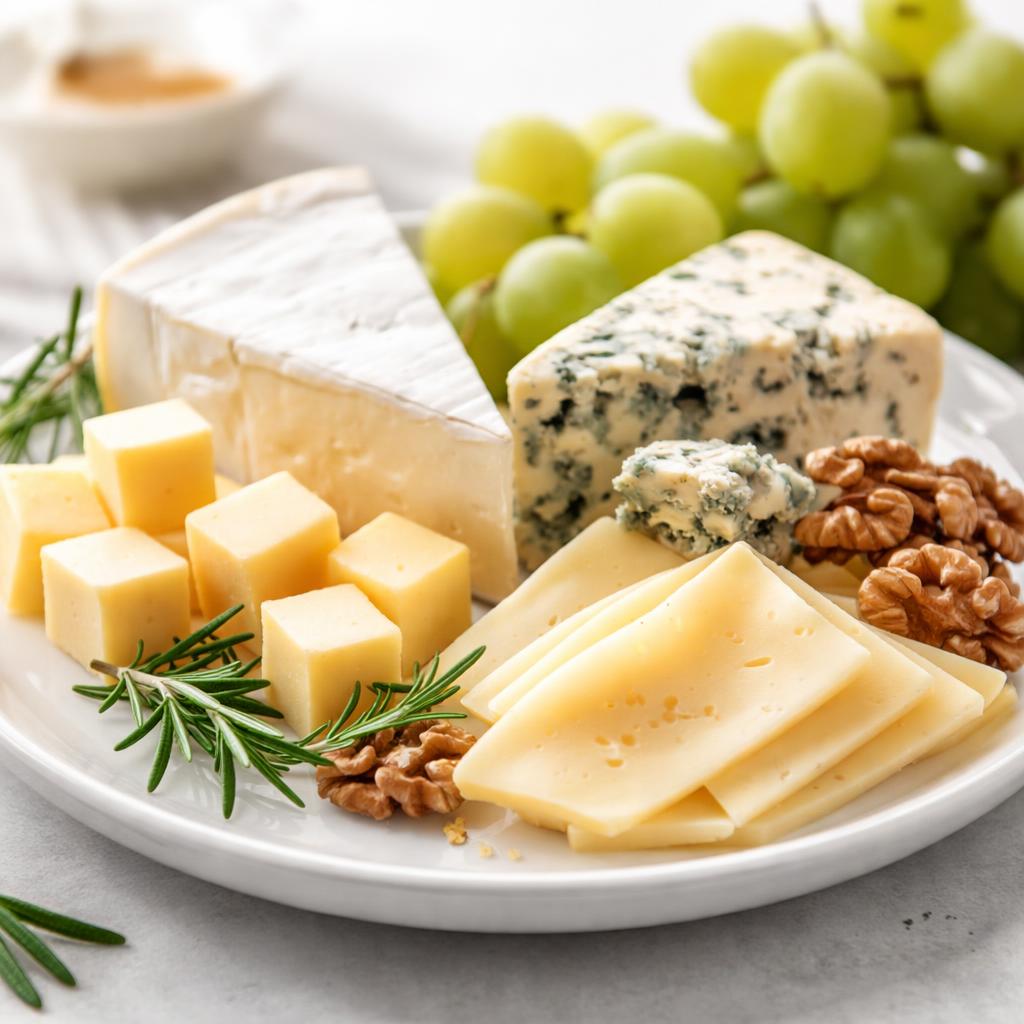
Cheese

Dinner Roll
🎯 Quick Verdict
Cheese is nutritionally dense with high protein, calcium, and lower carbohydrates, making it excellent for muscle maintenance and bone health. Dinner rolls, while lower in protein and calcium, provide more fiber, carbohydrates, and sustained energy, ideal for fueling physical activity or as a side dish to balance a meal.

Smart Nutrition Tracking with SnapCalorie

📊 Nutritional Comparison
Macronutrients
| Nutrient | Food 1 | Food 2 | Winner |
|---|---|---|---|
| Calories | 113 | 120 | ✓ |
| Protein | 7g | 4g | ✓ |
| Carbs | 0.4g | 22g | ✓ |
| Fat | 9g | 2g | ✓ |
| Fiber | 0g | 1g | ✓ |
Vitamins & Minerals
| Nutrient | Food 1 | Food 2 | Winner |
|---|---|---|---|
| Vitamin D | 0.2mcg | 0mcg | ✓ |
| Calcium | 204mg | 28mg | ✓ |
| Iron | 0.1mg | 1.4mg | ✓ |
🏆 Category Winners
Protein
Cheese contains nearly twice the amount of protein per serving compared to a dinner roll.
Fiber
Dinner roll provides dietary fiber, while cheese has none.
Calories
Cheese is slightly lower in total calories per serving than a dinner roll.
🥗 Diet Compatibility
Keto
Food 1: Compatible
Food 2: Not Compatible
Cheese is low-carb (0.4g carbs per serving), while a dinner roll is high in carbohydrates (22g per serving).
Vegan
Food 1: Not Compatible
Food 2: Compatible
Cheese is dairy-based, while dinner rolls can be plant-based depending on ingredients.
Gluten Free
Food 1: Compatible
Food 2: Not Compatible
Cheese is naturally gluten-free, but dinner rolls typically contain wheat flour.
Paleo
Food 1: Sometimes Compatible
Food 2: Not Compatible
Cheese may be allowed in some modified paleo diets, but dinner rolls are excluded due to grains.
Low-Carb
Food 1: Compatible
Food 2: Not Compatible
Cheese is an extremely low-carb food, while dinner rolls are high in carbohydrates.
💪 Health Benefits Comparison
Food 1 Benefits
- Rich source of protein for muscle building and maintenance
- High calcium content supports bone health
- Provides healthy fats for energy and satiety
- Contains essential vitamins like Vitamin D for immune function
Food 2 Benefits
- Provides carbohydrates for sustained energy and physical activities
- Contains small amounts of fiber for digestion
- Moderate iron content supports oxygen transport in blood
- Can serve as a balanced side dish in diverse meals
✅ The Bottom Line
Choose cheese when looking for a high-protein, low-carb food to aid weight maintenance or muscle building. Choose dinner rolls when you need a carbohydrate source to fuel energy, as part of a balanced meal. It depends on your dietary goals and preferences.
Choose Food 1 for: Low-carb diets, muscle building, snack or ingredient in keto meals
Choose Food 2 for: Long-lasting energy, meal accompaniments, vegetarian diets


