Cheese VS Corn
A detailed nutritional comparison
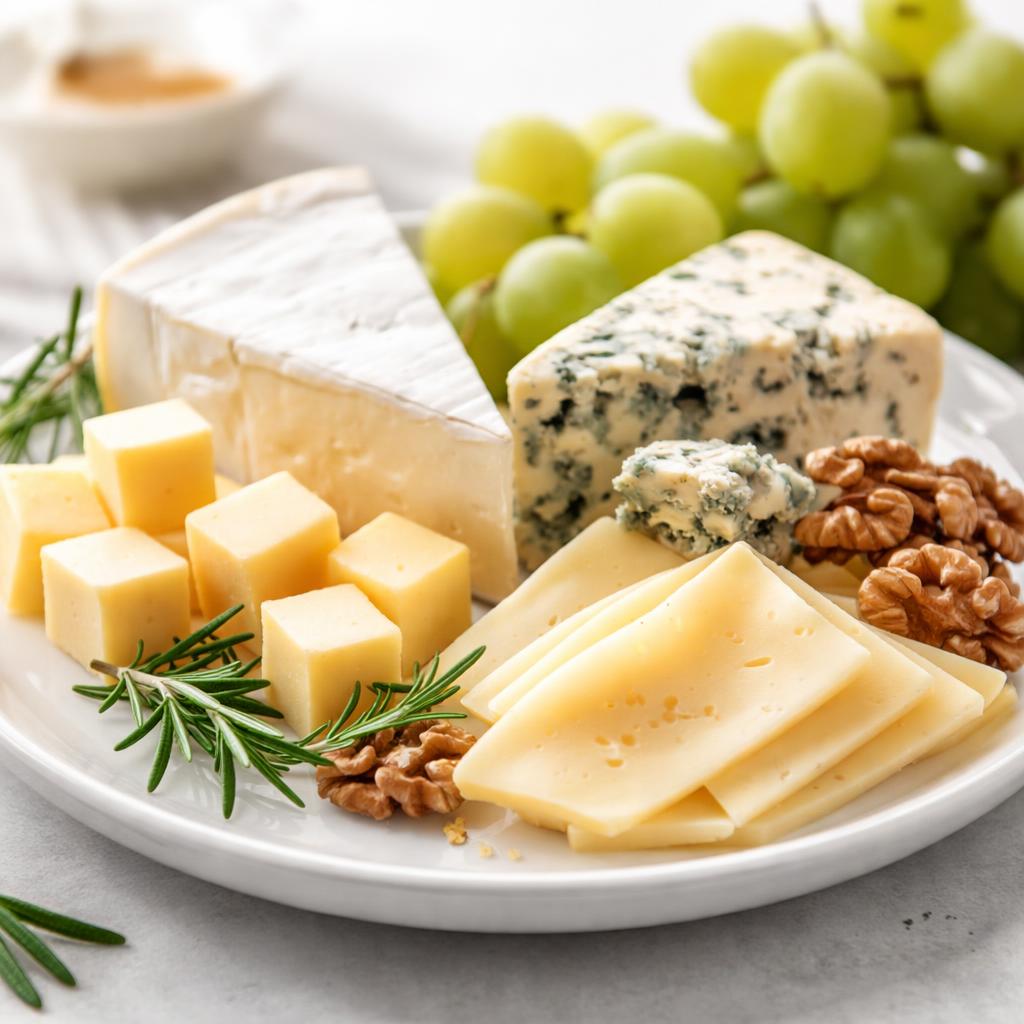
Cheese
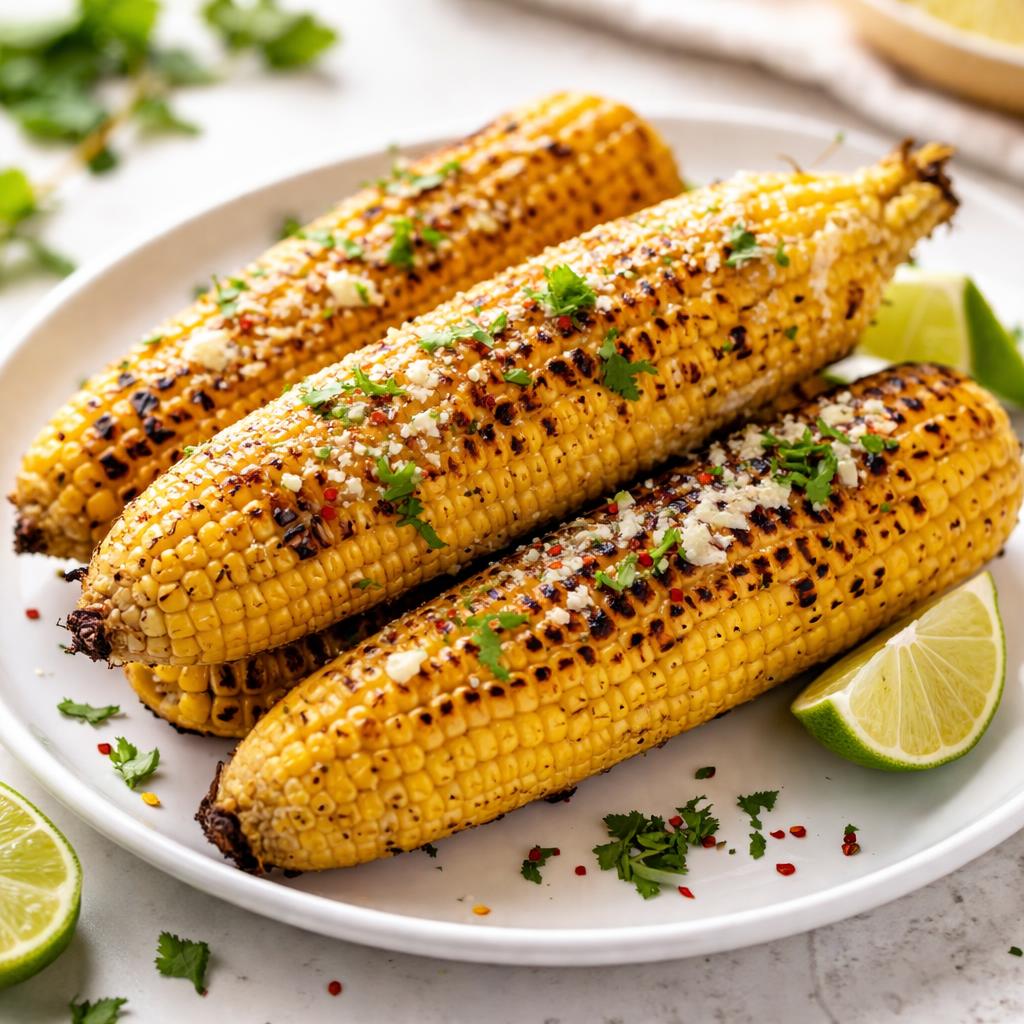
Corn
🎯 Quick Verdict
Cheese and corn are nutritionally distinct. Cheese is higher in protein, lower in carbs, and more calorie-dense, making it ideal for high-protein or keto diets. Corn, on the other hand, is rich in fiber, energy-supplying carbs, and micronutrients, suitable for plant-based diets or general digestive health. Both foods complement different dietary goals and contexts.

Smart Nutrition Tracking with SnapCalorie

📊 Nutritional Comparison
Macronutrients
| Nutrient | Food 1 | Food 2 | Winner |
|---|---|---|---|
| Calories | 115 (per 1 ounce) | 80 (per 1/2 cup) | ✓ |
| Protein | 7g | 2g | ✓ |
| Carbs | 1g | 18g | ✓ |
| Fat | 9g | 1g | ✓ |
| Fiber | 0g | 2g | ✓ |
Vitamins & Minerals
| Nutrient | Food 1 | Food 2 | Winner |
|---|---|---|---|
| Vitamin D | 0.2mcg | 0mcg | ✓ |
| Calcium | 200mg | 2mg | ✓ |
| Iron | 0.2mg | 0.5mg | ✓ |
| Vitamin C | 0mg | 5mg | ✓ |
| Vitamin A | 99mcg | 47mcg | ✓ |
🏆 Category Winners
Protein
Cheese delivers over 3x the protein content of corn per serving.
Fiber
Corn contains 2g of fiber while cheese has none, supporting digestive health.
Calories
Corn provides fewer calories at equal portions, making it lighter for calorie-conscious diets.
Vitamins
Cheese leads in calcium and vitamin D, but corn wins in fiber, iron, and vitamin C, providing balanced benefits.
🥗 Diet Compatibility
Keto
Food 1: Compatible
Food 2: Not Compatible
Cheese is low in carbs, but corn is carb-heavy.
Vegan
Food 1: Not Compatible
Food 2: Compatible
Corn is plant-based, whereas cheese comes from animal products.
Gluten Free
Food 1: Compatible
Food 2: Compatible
Neither food contains gluten.
Paleo
Food 1: Compatible
Food 2: Compatible
Both cheese (if minimally processed) and corn align when allowed in paleo regimes.
Low Carb
Food 1: Compatible
Food 2: Not Compatible
Cheese has minimal carbs while corn is carb-rich.
💪 Health Benefits Comparison
Food 1 Benefits
- Rich source of high-quality protein for muscle repair
- Excellent calcium content for bone health
- Provides healthy fats to support energy and satiety
Food 2 Benefits
- High fiber supports digestion and gut health
- Iron helps prevent anemia and boosts energy
- Vitamin C enhances immune system function
✅ The Bottom Line
Choose cheese for protein-rich diets, keto plans, or when looking for a calorie-dense snack in moderation. Opt for corn in plant-based or low-fat diets, digestive health support, or when energy-supplying carbs are needed.
Choose Food 1 for: High-protein needs, keto diets, bone health
Choose Food 2 for: Plant-based meals, digestive health, energy boosts


