Cheese VS Cookies
A detailed nutritional comparison
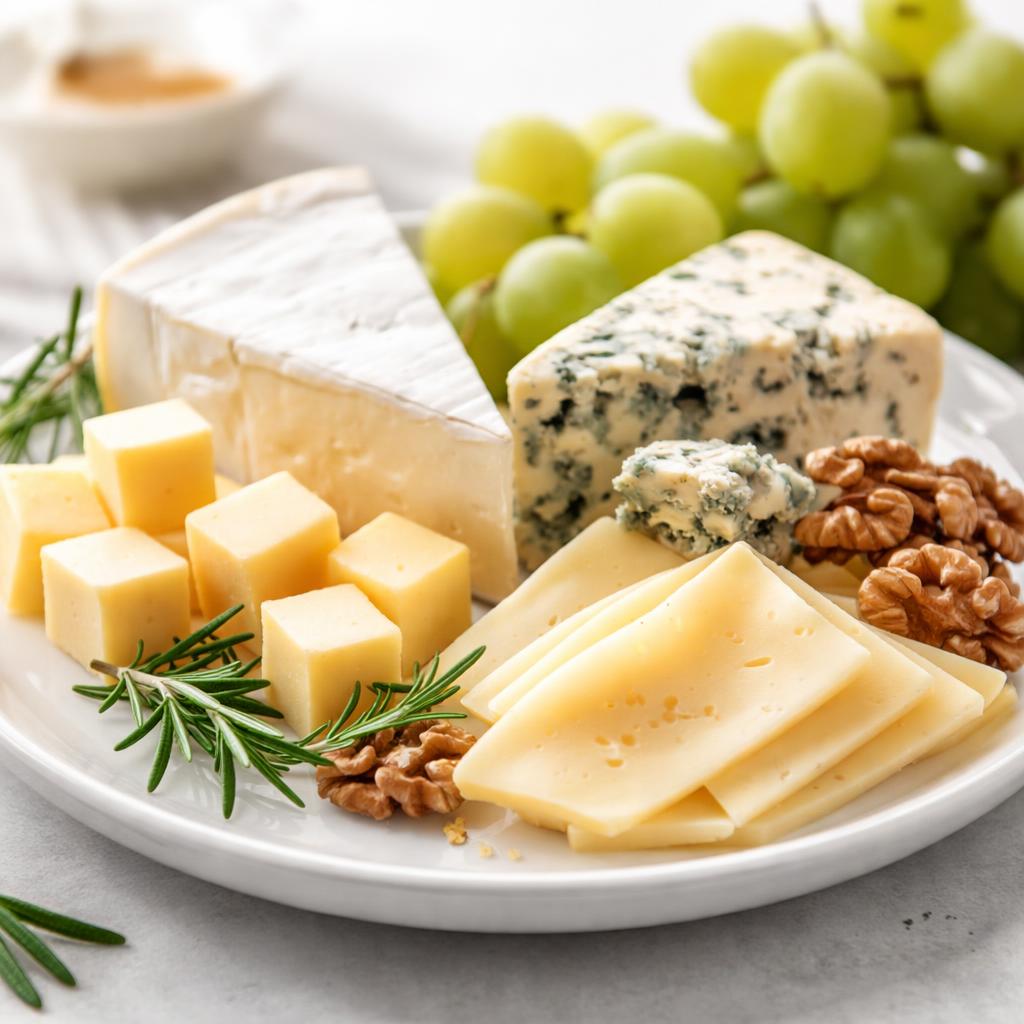
Cheese
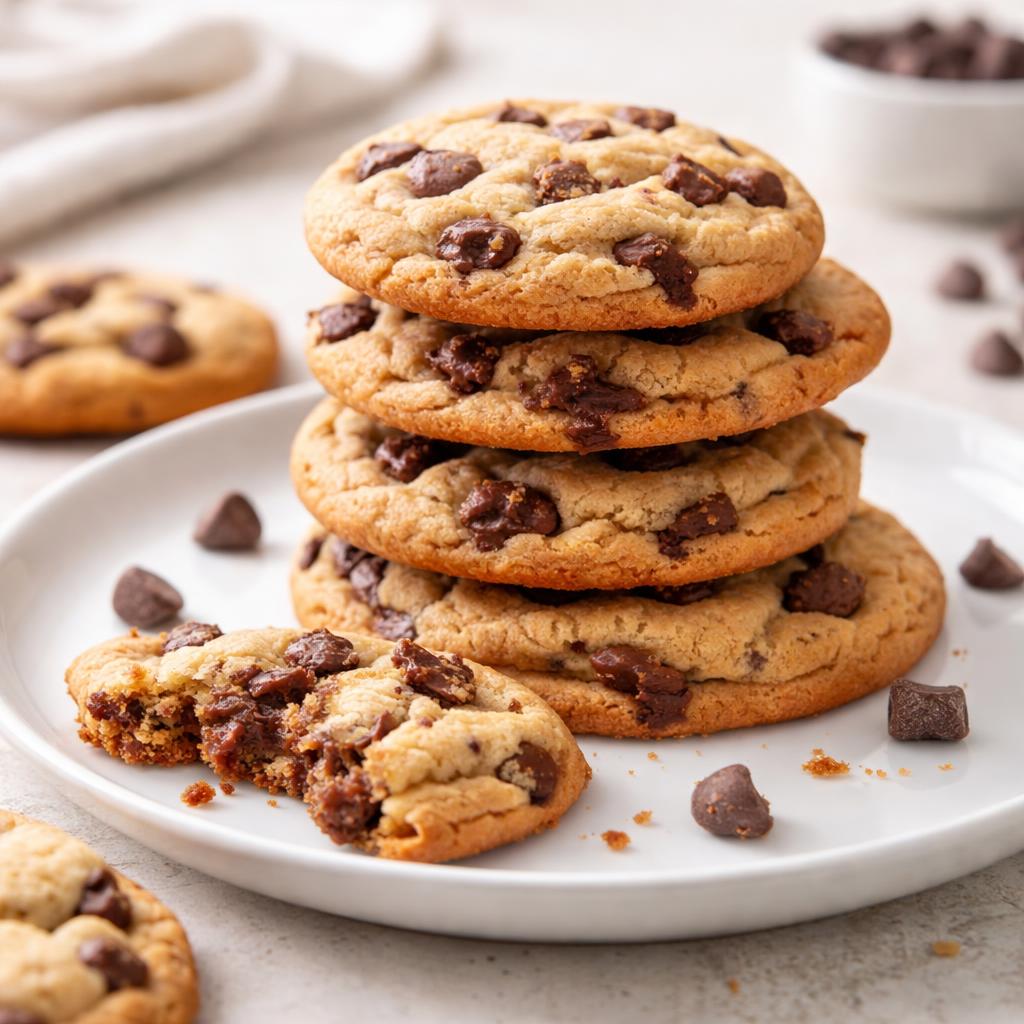
Cookies
🎯 Quick Verdict
Cheese is a nutrient-dense food with high protein, lower calories, and more vitamins, ideal for muscle maintenance and weight management. Cookies, while lower in protein and higher in calories, provide more fiber and quick energy, making them a better choice for a treat or sustained energy during active periods.

Smart Nutrition Tracking with SnapCalorie

📊 Nutritional Comparison
Macronutrients
| Nutrient | Food 1 | Food 2 | Winner |
|---|---|---|---|
| Calories | 113 | 160 | ✓ |
| Protein | 7g | 2g | ✓ |
| Carbs | 1g | 22g | ✓ |
| Fat | 9g | 7g | ✓ |
| Fiber | 0g | 1g | ✓ |
Vitamins & Minerals
| Nutrient | Food 1 | Food 2 | Winner |
|---|---|---|---|
| Vitamin D | 0.2mcg | 0mcg | ✓ |
| Calcium | 200mg | 8mg | ✓ |
| Iron | 0.1mg | 0.6mg | ✓ |
🏆 Category Winners
Protein
Cheese has 250% more protein per serving.
Fiber
Cookies have 1g of fiber compared to cheese's 0g, offering more digestibility support.
Calories
Cheese is lower in calories, with 113 per serving versus cookies' 160.
Vitamins
Cheese supplies significantly higher amounts of vitamin D and calcium.
🥗 Diet Compatibility
Keto
Food 1: Compatible
Food 2: Not Compatible
Cheese is low-carb and high-fat, while cookies contain too many carbs.
Vegan
Food 1: Not Compatible
Food 2: Compatible
Cheese is a dairy product, while cookies may be plant-based depending on ingredients.
Gluten Free
Food 1: Compatible
Food 2: Not Compatible
Cheese does not contain gluten, but cookies typically do unless made gluten-free.
Paleo
Food 1: Not Compatible
Food 2: Not Compatible
Cheese is not considered paleo due to being a processed dairy product, and cookies generally include refined ingredients.
Low-Carb
Food 1: Compatible
Food 2: Not Compatible
Cheese has minimal carbs (1g), unlike cookies (22g).
💪 Health Benefits Comparison
Food 1 Benefits
- High in protein for muscle repair and maintenance.
- Rich in calcium for strong bones and teeth.
- Provides vitamin D to support bone health and immune function.
Food 2 Benefits
- Contains fiber for improved digestion.
- Provides quick energy through carbohydrates.
- May contain antioxidants if made with dark chocolate or other nutrient-rich ingredients.
✅ The Bottom Line
Cheese is the better choice for a nutrient-dense snack with high protein, calcium, and lower carbs, ideal for fitness enthusiasts or those on low-carb diets. Cookies, while less nutritionally dense, are a good option for a quick source of energy or as an occasional treat.
Choose Food 1 for: Low-carb diets, weight management, muscle repair and maintenance.
Choose Food 2 for: Treats, quick energy boosts, and situations requiring higher carbs.


