Cheese VS Coconut Water
A detailed nutritional comparison

Cheese
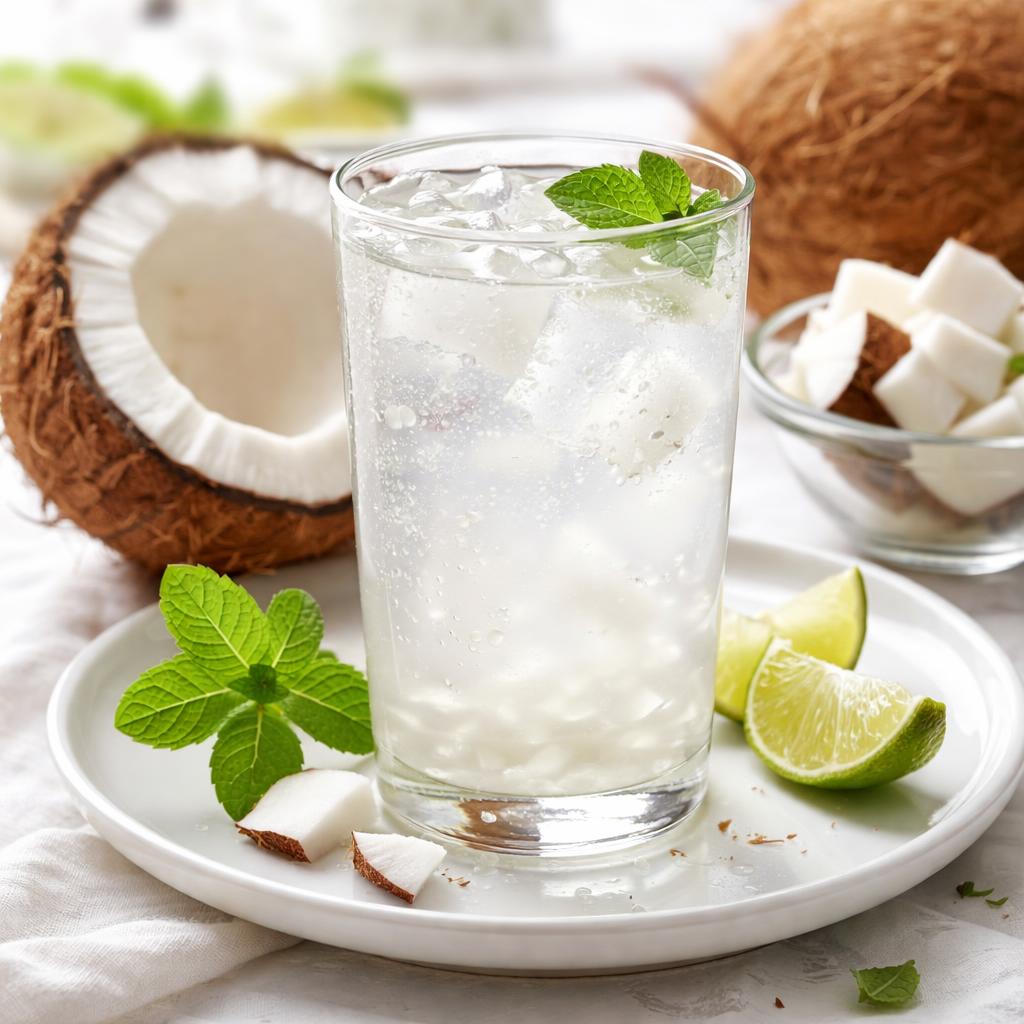
Coconut Water
🎯 Quick Verdict
Cheese, a high-protein and calcium-rich food, is better suited for muscle maintenance and recovery. Coconut water, on the other hand, is hydrating, low in calories, and high in electrolytes, making it ideal for rehydration and sustained energy. Both foods serve distinct purposes in a balanced diet depending on nutritional priorities like protein or hydration needs.

Smart Nutrition Tracking with SnapCalorie

📊 Nutritional Comparison
Macronutrients
| Nutrient | Food 1 | Food 2 | Winner |
|---|---|---|---|
| Calories | 100 kcal (per 1 oz) | 45 kcal (per 1 cup) | ✓ |
| Protein | 7g (per 1 oz) | 1g (per 1 cup) | ✓ |
| Carbs | 1g (per 1 oz) | 9g (per 1 cup) | ✓ |
| Fat | 8g (per 1 oz) | 0g (per 1 cup) | ✓ |
| Fiber | 0g (per 1 oz) | 2.5g (per 1 cup) | ✓ |
Vitamins & Minerals
| Nutrient | Food 1 | Food 2 | Winner |
|---|---|---|---|
| Calcium | 200mg | 20mg | ✓ |
| Vitamin D | 0.2mcg | 0mcg | ✓ |
| Potassium | 20mg | 600mg | ✓ |
| Magnesium | 5mg | 60mg | ✓ |
🏆 Category Winners
Protein
Cheese contains ~7x more protein per serving compared to coconut water.
Fiber
Coconut water provides 2.5g of fiber per cup, whereas cheese has none.
Calories
Coconut water is ~55% lower in calories compared to cheese.
Vitamins
Coconut water is rich in potassium and magnesium, making it superior for electrolyte balance.
🥗 Diet Compatibility
Keto
Food 1: Compatible
Food 2: Not Compatible
Cheese is high-fat and low-carb, while coconut water contains too many carbs for strict keto diets.
Vegan
Food 1: Not Compatible
Food 2: Compatible
Cheese is an animal-based product, while coconut water is plant-based.
Gluten Free
Food 1: Compatible
Food 2: Compatible
Neither food contains gluten.
Paleo
Food 1: Not Compatible
Food 2: Compatible
Cheese is not allowed on strict paleo diets, while coconut water fits paleo guidelines.
Low Carb
Food 1: Compatible
Food 2: Not Compatible
Cheese is low in carbs (1g per serving), whereas coconut water is higher (9g per serving).
💪 Health Benefits Comparison
Food 1 Benefits
- High in protein for muscle maintenance and repair
- Rich in calcium for bone health
- Contains healthy fats for satiety and energy
Food 2 Benefits
- Hydrating and replenishes electrolytes
- Good source of potassium for heart health and muscle function
- Low in calories and high in fiber for digestive health
✅ The Bottom Line
Cheese is ideal for those needing more protein, fat, or calcium, making it a great choice for keto dieters, post-workout recovery, or weight management. Coconut water is better suited for hydration, electrolyte replenishment, and low-calorie diets, especially during workouts or hot weather. Choose based on your dietary goals and activity levels.
Choose Food 1 for: High-protein diets, muscle recovery, keto diets
Choose Food 2 for: Hydration, rehydration, heart health, low-calorie diets


