Cheese VS Chili Con Carne
A detailed nutritional comparison

Cheese
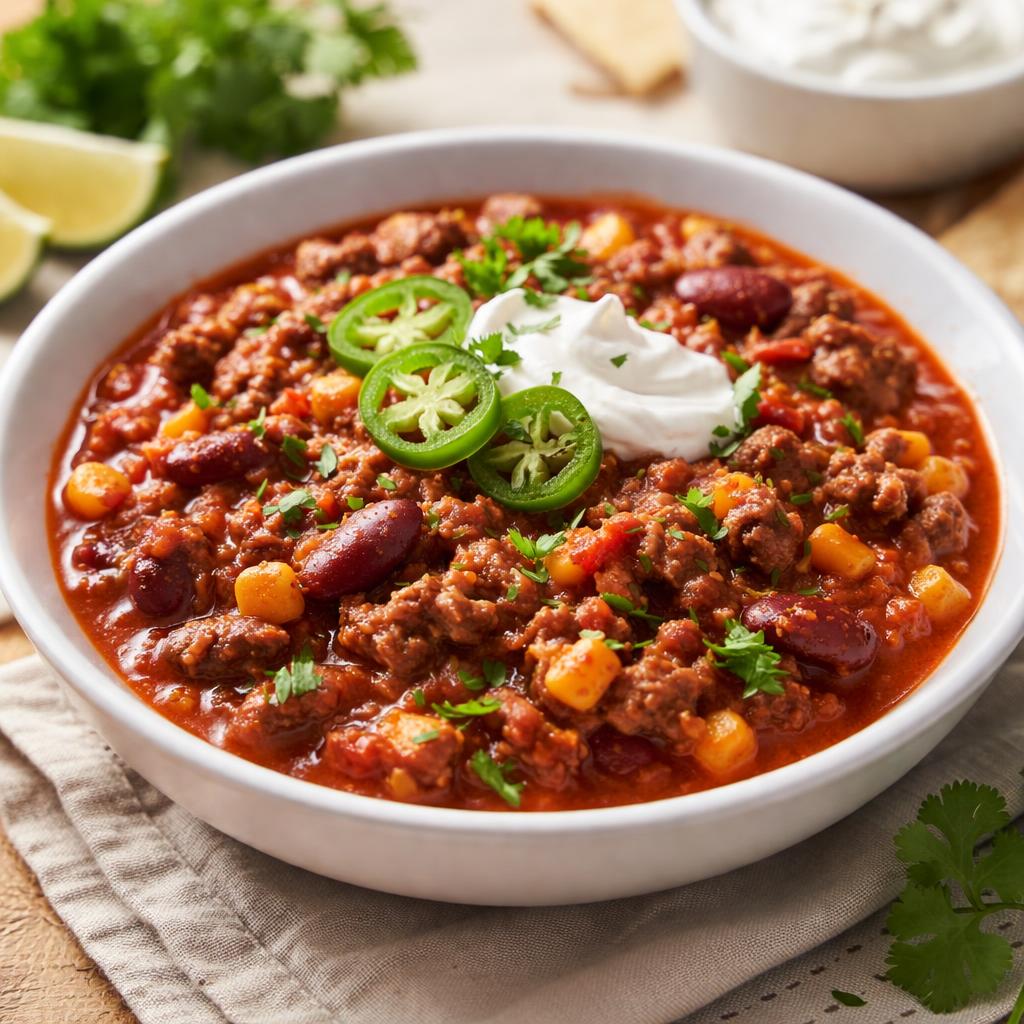
Chili Con Carne
🎯 Quick Verdict
Cheese is calorie-dense, rich in fats, and offers a moderate amount of protein, making it suitable for keto diets or low-carb snacking. Chili con carne is higher in protein and fiber while containing fewer fats, making it more nutrient-dense and ideal for balanced meals or post-workout recovery. Choose based on dietary needs—fat-focused (cheese) or nutrient-dense (chili con carne).

Smart Nutrition Tracking with SnapCalorie

📊 Nutritional Comparison
Macronutrients
| Nutrient | Food 1 | Food 2 | Winner |
|---|---|---|---|
| Calories | 400 (per 100g) | 150 (per 100g) | − |
| Protein | 25g | 30g | − |
| Carbs | 1g | 10g | − |
| Fat | 33g | 5g | − |
| Fiber | 0g | 5g | − |
Vitamins & Minerals
| Nutrient | Food 1 | Food 2 | Winner |
|---|---|---|---|
| Vitamin A | 300mcg | 150mcg | − |
| Calcium | 721mg | 50mg | − |
| Iron | 0.2mg | 3mg | − |
| Vitamin C | 0mg | 20mg | − |
🏆 Category Winners
Protein
Chili con carne has 20% more protein per serving compared to cheese.
Fiber
Chili con carne contains 5g of fiber, while cheese has virtually none.
Calories
Chili con carne has 250 fewer calories per 100g than cheese.
Vitamins
Cheese excels in calcium and vitamin A, while chili con carne is rich in vitamin C and iron.
🥗 Diet Compatibility
Keto
Food 1: Compatible
Food 2: Not Compatible
Cheese is low-carb and high-fat, ideal for keto diets, whereas chili con carne has moderate carbohydrates.
Vegan
Food 1: Not Compatible
Food 2: Not Compatible
Both foods contain animal-derived ingredients.
Gluten Free
Food 1: Compatible
Food 2: Compatible
Neither food contains gluten, provided chili con carne is made with gluten-free ingredients.
Paleo
Food 1: Not Compatible
Food 2: Compatible
Cheese is restricted on a paleo diet due to being a dairy product, while chili con carne can fit paleo if prepared without beans.
Low-Carb
Food 1: Compatible
Food 2: Moderately Compatible
Cheese has minimal carbs, making it perfectly suitable for low-carb diets, while chili con carne has moderate carbs (10g per 100g).
💪 Health Benefits Comparison
Food 1 Benefits
- High calcium content supports bone health.
- Provides high-quality protein for muscle repair and maintenance.
- Rich in vitamin A, beneficial for vision and skin health.
Food 2 Benefits
- Rich in protein for building and repairing tissues.
- Contains fiber to support digestive health.
- High iron and vitamin C content boost energy and immune function.
✅ The Bottom Line
Cheese is ideal for low-carb or keto lifestyles, offering convenience and high-fat content for energy. Chili con carne is better for balanced meals with more fiber and protein, making it perfect for post-workout recovery or nutrient-dense diets. Both have distinct advantages depending on health priorities.
Choose Food 1 for: Low-carb diets, keto nutrition, bone health (calcium boost), snacking.
Choose Food 2 for: Post-workout recovery, balanced nutrition, iron intake, digestive health.


