Cheese VS Cheese Stick
A detailed nutritional comparison
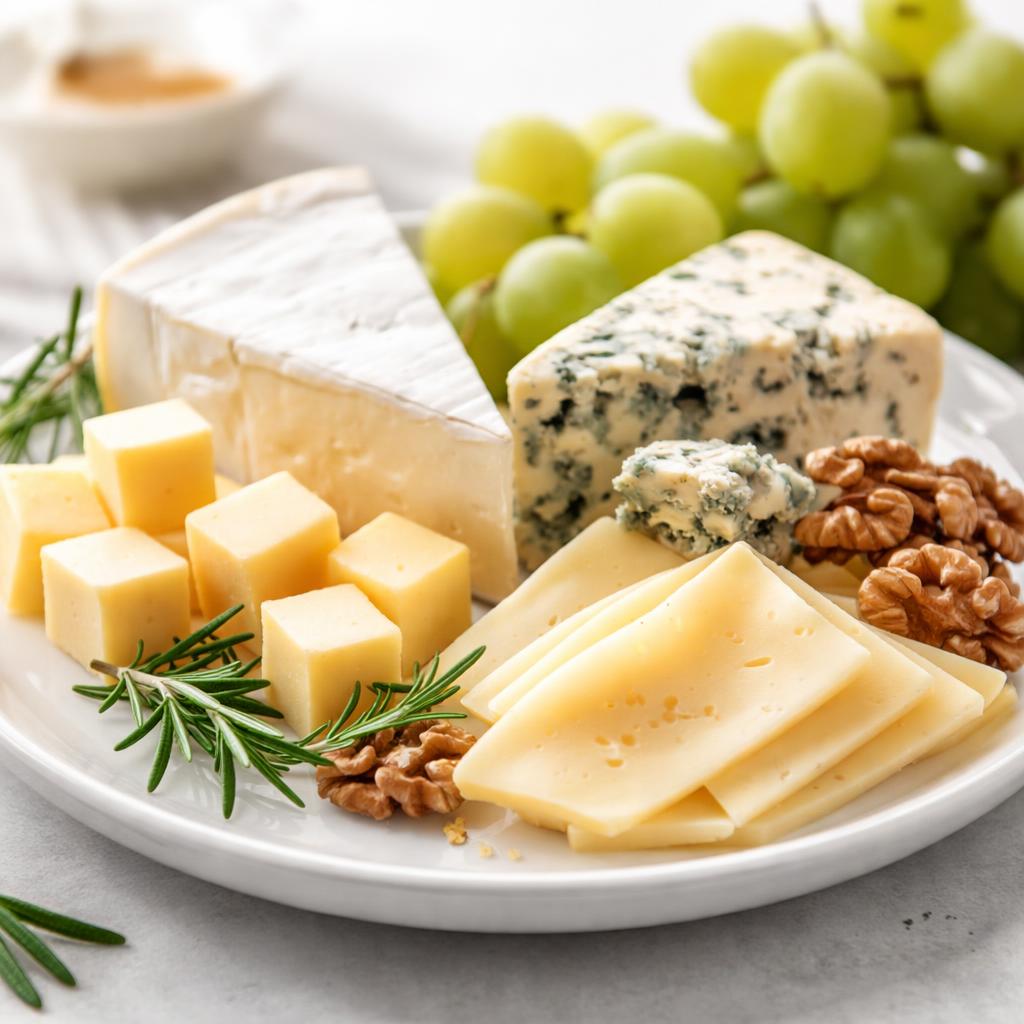
Cheese
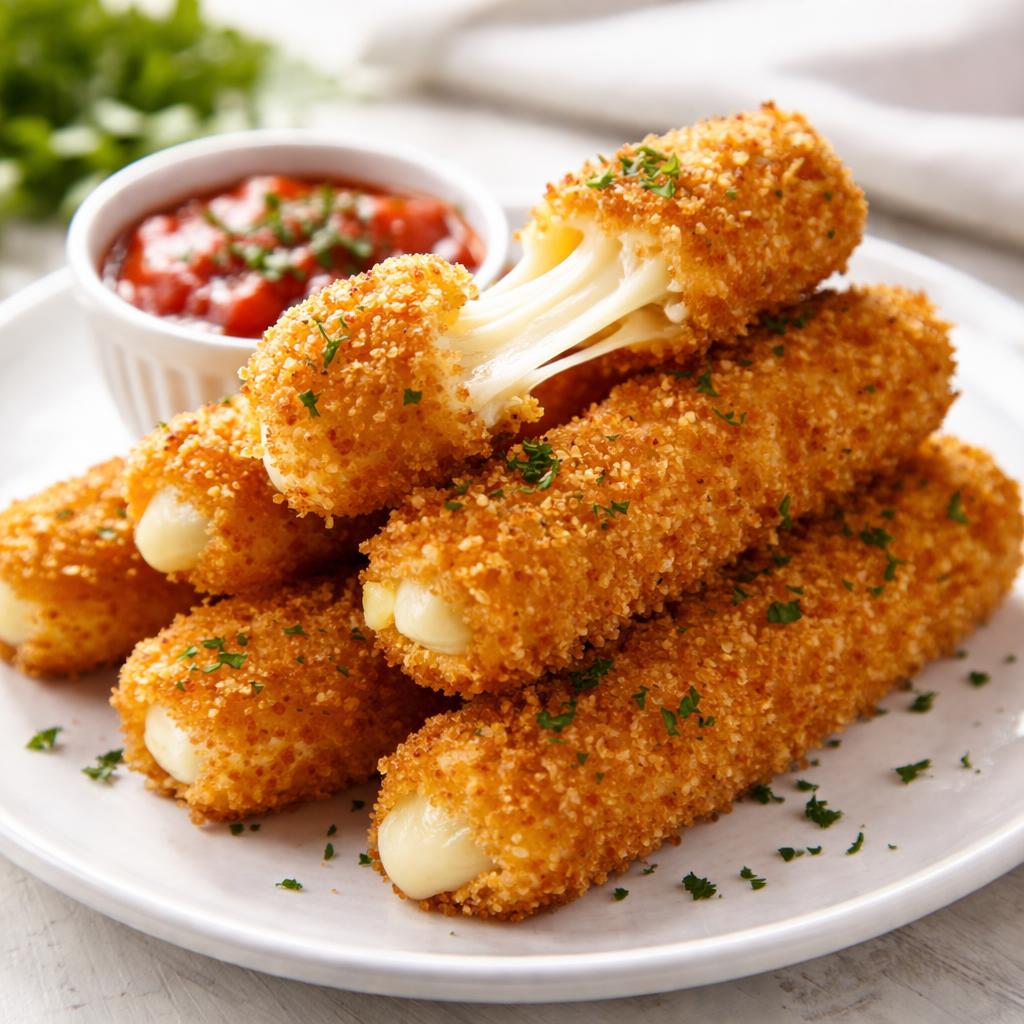
Cheese Stick
🎯 Quick Verdict
Cheese and cheese sticks are quite similar in nutrition but differ slightly in portions and convenience. Cheese sticks tend to have marginally less fat and fewer calories per serving but often include more protein. Traditional cheese is versatile for cooking or pairing, while cheese sticks are ideal for quick snacks on the go.

Smart Nutrition Tracking with SnapCalorie

📊 Nutritional Comparison
Macronutrients
| Nutrient | Food 1 | Food 2 | Winner |
|---|---|---|---|
| Calories | 120 per oz | 80 per stick | ✓ |
| Protein | 7g per oz | 8g per stick | ✓ |
| Carbs | 1g per oz | 1g per stick | − |
| Fat | 9g per oz | 6g per stick | ✓ |
| Fiber | 0g | 0g | − |
Vitamins & Minerals
| Nutrient | Food 1 | Food 2 | Winner |
|---|---|---|---|
| Vitamin D | 0.3mcg | 0.3mcg | − |
| Calcium | 200mg per oz | 150mg per stick | ✓ |
| Iron | 0.2mg per oz | 0.1mg per stick | ✓ |
🏆 Category Winners
Protein
Cheese stick has slightly higher protein per serving due to pre-portioned size.
Fiber
Neither provides dietary fiber.
Calories
Cheese stick has about 33% fewer calories per serving.
🥗 Diet Compatibility
Keto
Food 1: Compatible
Food 2: Compatible
Both are low-carb options suitable for keto diets.
Vegan
Food 1: Not Compatible
Food 2: Not Compatible
Both are made from dairy and unsuitable for vegan diets.
Gluten Free
Food 1: Compatible
Food 2: Compatible
Neither contains gluten.
Paleo
Food 1: Not Compatible
Food 2: Not Compatible
Dairy is not paleo-approved.
Low-Carb
Food 1: Compatible
Food 2: Compatible
Both have only about 1g of carbs per serving.
💪 Health Benefits Comparison
Food 1 Benefits
- Rich in calcium for bone strength
- Provides healthy fats for satiety
- Contains protein for muscle maintenance
- Supports dental health with phosphorus content
Food 2 Benefits
- Higher protein content for muscle repair
- Convenient portioning for calorie control
- Rich in calcium to support bone health
- Low-carb snack for sustained energy
✅ The Bottom Line
Cheese is a versatile option that can be used in recipes or paired with other foods, making it ideal for cooking or more indulgent meals. Cheese sticks are better suited for portion control, convenience, and a quick protein boost. Both can fit well into a variety of diets, especially low-carb and keto plans.
Choose Food 1 for: Cooking, pairing with meals, indulgent recipes
Choose Food 2 for: Quick snack, on-the-go protein, calorie management


