Cheese VS Black Pepper
A detailed nutritional comparison
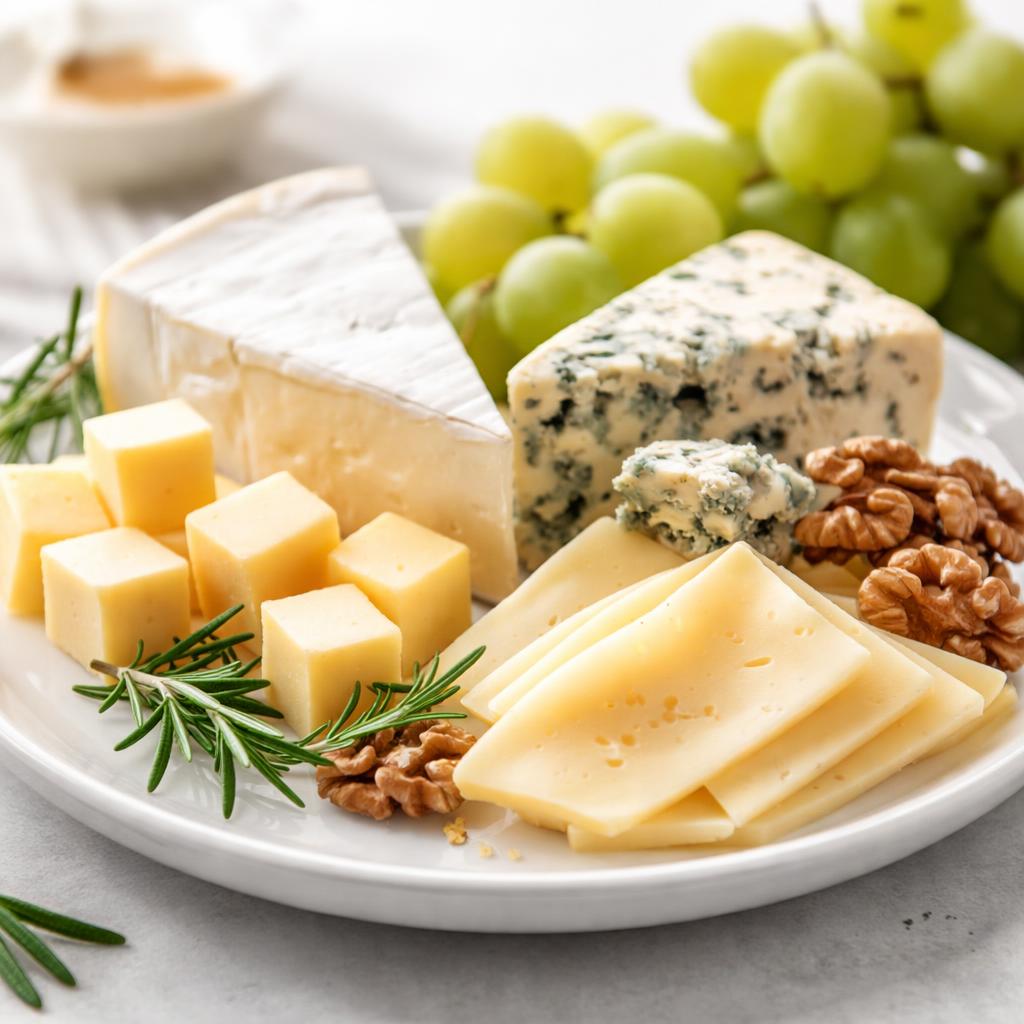
Cheese
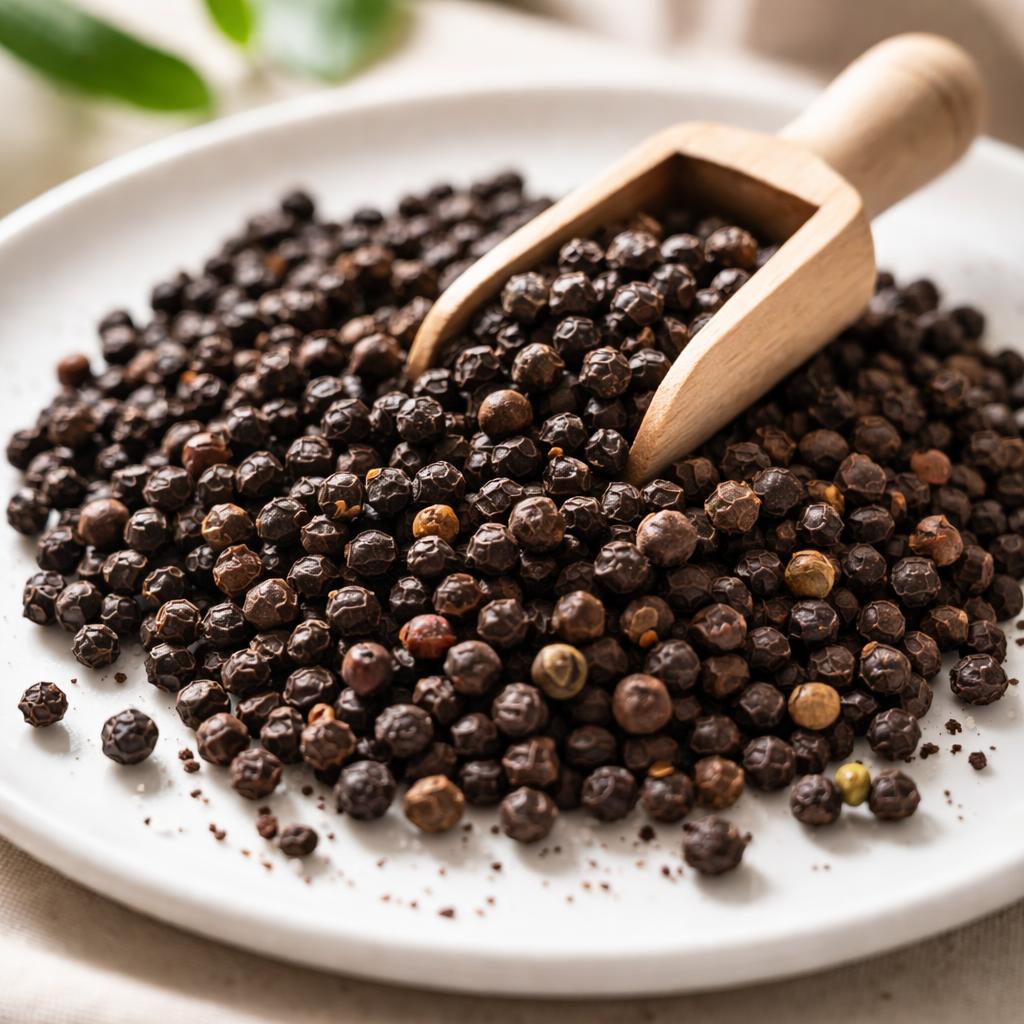
Black Pepper
🎯 Quick Verdict
Cheese, as a dairy product, is much higher in protein, fat, and calories compared to black pepper, which is a low-calorie spice rich in antioxidants and fiber. Cheese is ideal for high-calorie diets or muscle recovery, while black pepper adds flavor and potential health benefits without significant macronutrient contributions.

Smart Nutrition Tracking with SnapCalorie

📊 Nutritional Comparison
Macronutrients
| Nutrient | Food 1 | Food 2 | Winner |
|---|---|---|---|
| Calories | 113 kcal (1 oz) | 6 kcal (1 tsp) | ✓ |
| Protein | 7g | 0g | ✓ |
| Carbs | 1g | 1.5g | − |
| Fat | 9g | 0g | ✓ |
| Fiber | 0g | 1g | ✓ |
Vitamins & Minerals
| Nutrient | Food 1 | Food 2 | Winner |
|---|---|---|---|
| Calcium | 200mg | 44mg | ✓ |
| Iron | 0.2mg | 0.6mg | ✓ |
| Vitamin D | 0.2mcg | 0mcg | ✓ |
| Potassium | 20mg | 32mg | ✓ |
🏆 Category Winners
Protein
Cheese is significantly higher in protein with 7g per ounce compared to black pepper, which contains none.
Fiber
Black pepper provides 1g of fiber per teaspoon, while cheese contains none.
Calories
Black pepper is a low-calorie spice with only 6 kcal per teaspoon compared to 113 kcal per ounce for cheese.
Vitamins
Cheese excels in calcium and vitamin D, while black pepper has higher iron and potassium levels.
🥗 Diet Compatibility
Keto
Food 1: Compatible
Food 2: Compatible
Both foods are low in carbs and complement ketogenic diets.
Vegan
Food 1: Not Compatible
Food 2: Compatible
Cheese is a dairy product, but black pepper is plant-based.
Gluten Free
Food 1: Compatible
Food 2: Compatible
Neither food contains gluten.
Paleo
Food 1: Sometimes Compatible
Food 2: Compatible
Cheese may not be allowed on strict Paleo diets, but black pepper is allowed.
Low Carb
Food 1: Compatible
Food 2: Compatible
Both foods are low in carbs and suitable for low-carb diets.
💪 Health Benefits Comparison
Food 1 Benefits
- High in calcium for bone health
- Source of protein for muscle repair
- Contains vitamin D for immune function
Food 2 Benefits
- Rich in antioxidants for reducing inflammation
- Provides dietary fiber for digestion
- May improve nutrient absorption and metabolism
✅ The Bottom Line
Choose cheese if you need a protein-rich food for muscle building or calcium for bone health. Opt for black pepper when looking for a calorie-free spice with antioxidants and digestive benefits.
Choose Food 1 for: Muscle recovery, calcium-rich diets, keto-friendly meals
Choose Food 2 for: Flavor enhancement, anti-inflammatory effects, reduced-calorie diets


