Cheese VS Beer
A detailed nutritional comparison
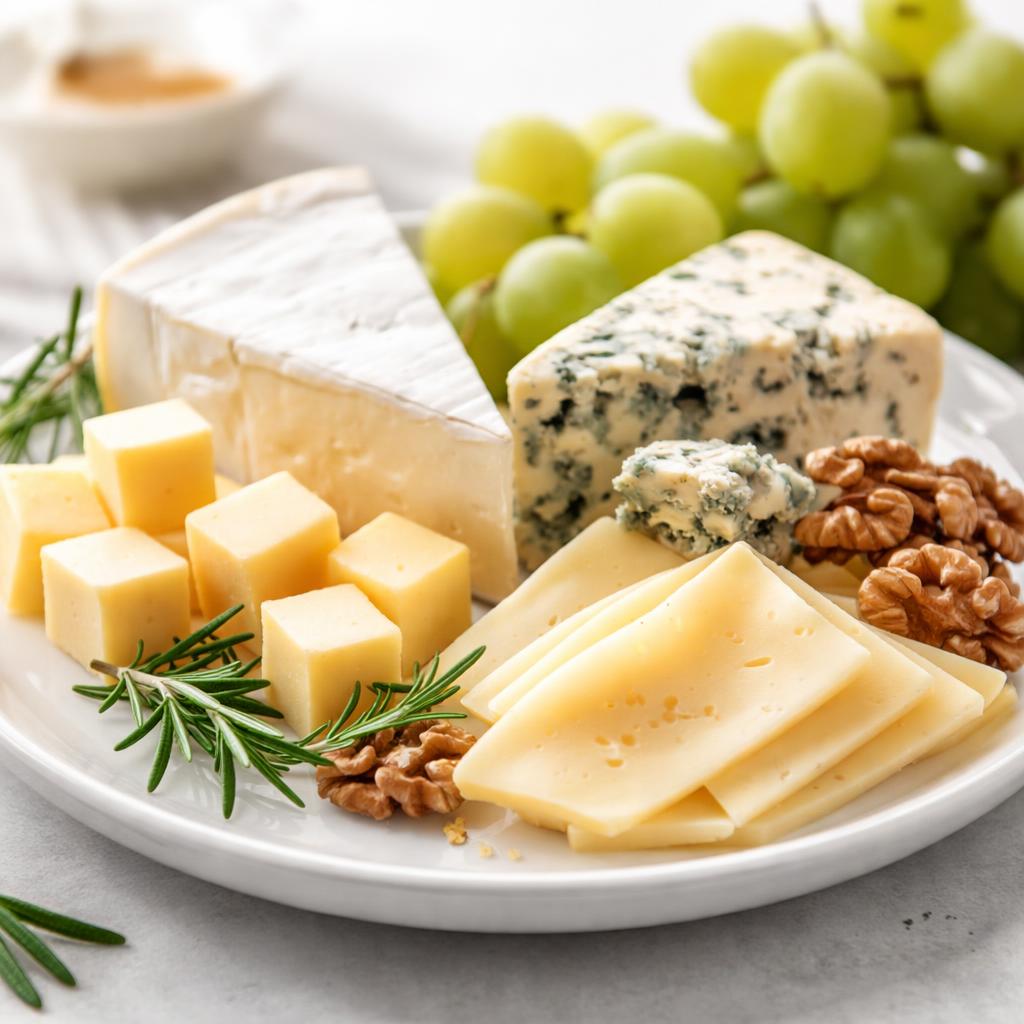
Cheese
Beer
🎯 Quick Verdict
Cheese is a nutrient-dense food offering more protein, calcium, and essential vitamins compared to beer, which is primarily a source of calories and minimal nutrients. Cheese is ideal for diets focusing on high-protein, low-carb foods, while beer is better suited for occasional leisure indulgence rather than significant nutritional intake.

Smart Nutrition Tracking with SnapCalorie

📊 Nutritional Comparison
Macronutrients
| Nutrient | Food 1 | Food 2 | Winner |
|---|---|---|---|
| Calories | 120 (per 1 ounce) | 150 (per 12 ounces) | ✓ |
| Protein | 7g | 1g | ✓ |
| Carbs | 1g | 13g | ✓ |
| Fat | 9g | 0g | ✓ |
| Fiber | 0g | 0g | − |
Vitamins & Minerals
| Nutrient | Food 1 | Food 2 | Winner |
|---|---|---|---|
| Calcium | 200mg | 10mg | ✓ |
| Vitamin D | 0.2mcg | 0mcg | ✓ |
| Vitamin B12 | 0.4mcg | 0.1mcg | ✓ |
🏆 Category Winners
Protein
Cheese contains 7x more protein than beer per serving, making it a significantly better choice for meeting protein needs.
Fiber
Neither cheese nor beer contains fiber.
Calories
Cheese has fewer calories per comparable serving size (1 ounce vs 12 ounces).
🥗 Diet Compatibility
Keto
Food 1: Compatible
Food 2: Not Compatible
Cheese is low-carb and high-fat, fitting into a keto diet. Beer contains too many carbs.
Vegan
Food 1: Not Compatible
Food 2: Compatible
Cheese is a dairy product while beer is plant-based.
Gluten Free
Food 1: Compatible
Food 2: Varies
Cheese is naturally gluten-free. Beer may or may not contain gluten depending on the brewing process.
Paleo
Food 1: Not Compatible
Food 2: Not Compatible
Neither cheese nor beer fits strictly within paleo guidelines, which avoid dairy and processed grains.
Low-Carb
Food 1: Compatible
Food 2: Not Compatible
Cheese is exceptionally low in carbs (1g per serving), while beer is high in carbs (13g per serving).
💪 Health Benefits Comparison
Food 1 Benefits
- High in protein to support muscle repair and maintenance
- Rich in calcium for strong bones
- Contains Vitamin B12, essential for energy production and brain health
- Provides healthy fats for satiety and energy
Food 2 Benefits
- Contains small amounts of B vitamins for energy metabolism
- Delivers antioxidants present in hops, which may support heart health
- Provides social and relaxation benefits (when consumed responsibly)
✅ The Bottom Line
Choose cheese for its high nutritional value, especially protein, calcium, and healthy fats, making it ideal for low-carb or keto-friendly diets. Beer, on the other hand, is primarily a leisure beverage with minimal nutrients, best consumed occasionally for social or recreational purposes.
Choose Food 1 for: Low-carb diets, muscle-building, bone health
Choose Food 2 for: Casual social settings, moderate alcohol consumption


