Cheese VS Bagel
A detailed nutritional comparison
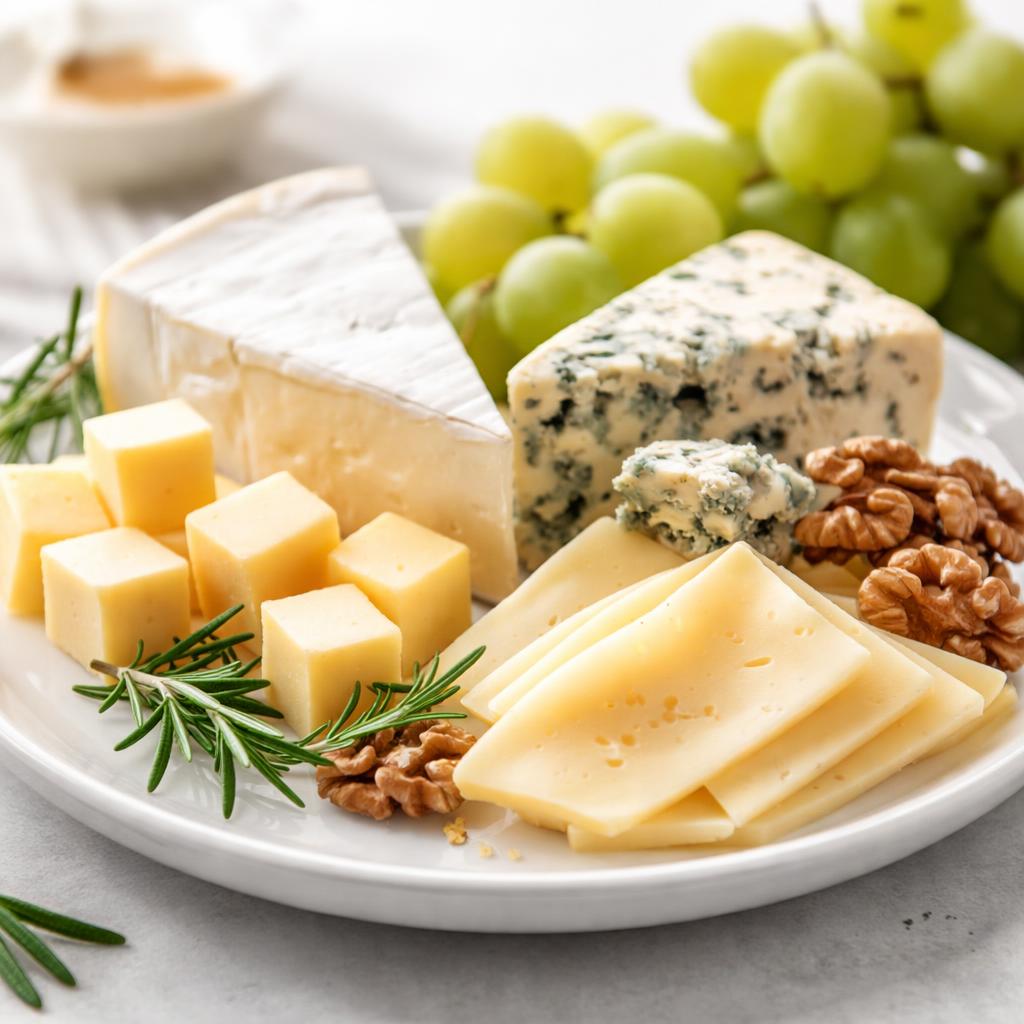
Cheese
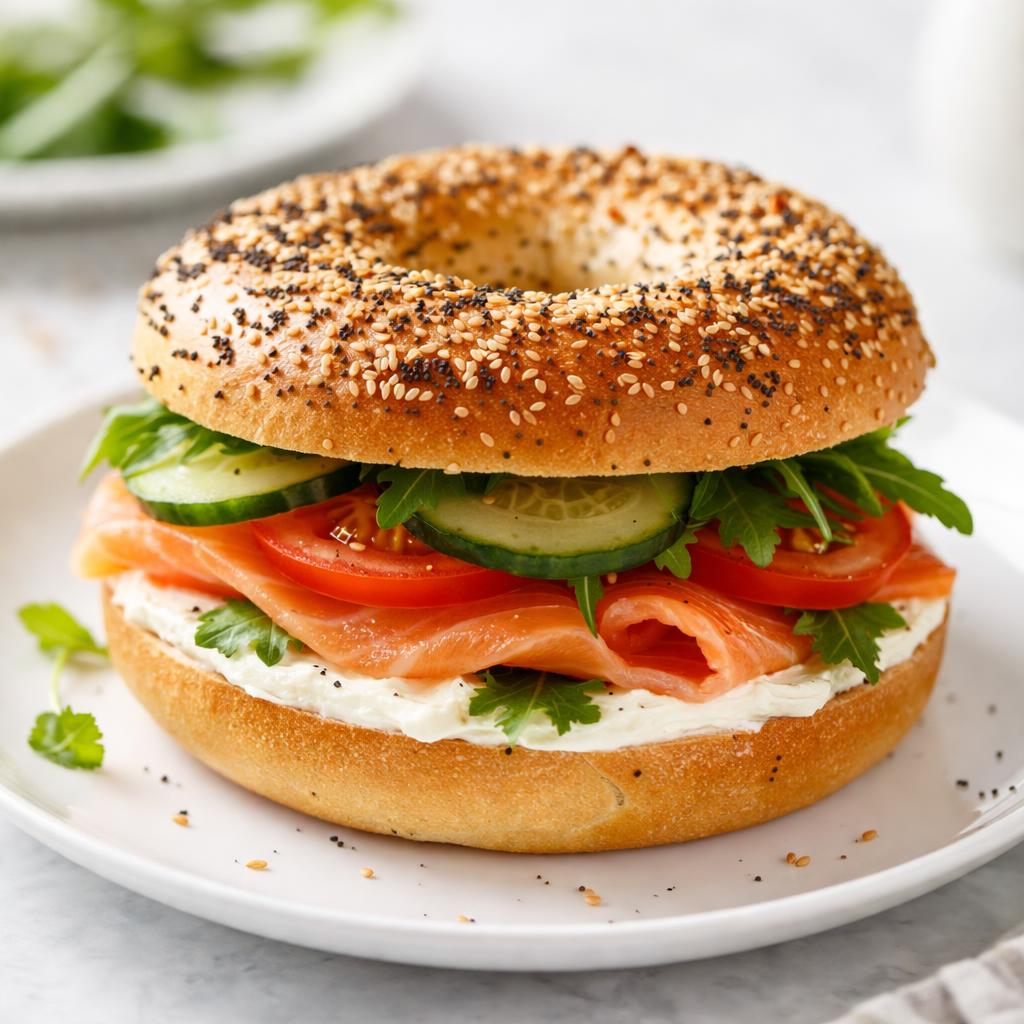
Bagel
🎯 Quick Verdict
Cheese and bagels offer distinctly different nutritional profiles. Cheese is higher in protein, healthy fats, and lower in carbohydrates, making it suitable for low-carb or keto diets. Bagels are higher in fiber and carbohydrates, providing sustained energy and making them ideal for active lifestyles and high-carb diets. Optimal usage depends on dietary goals and preferences.

Smart Nutrition Tracking with SnapCalorie

📊 Nutritional Comparison
Macronutrients
| Nutrient | Food 1 | Food 2 | Winner |
|---|---|---|---|
| Calories | 113 | 270 | ✓ |
| Protein | 7g | 9g | ✓ |
| Carbs | 1g | 53g | ✓ |
| Fat | 9g | 1g | ✓ |
| Fiber | 0g | 2g | ✓ |
Vitamins & Minerals
| Nutrient | Food 1 | Food 2 | Winner |
|---|---|---|---|
| Calcium | 200mg | 15mg | ✓ |
| Iron | 0.2mg | 2mg | ✓ |
| Vitamin D | 0.2mcg | 0mcg | ✓ |
🏆 Category Winners
Protein
Bagel has higher overall protein due to its larger serving size.
Fiber
Bagel contains 2g fiber per serving, much more than cheese.
Calories
Cheese has significantly fewer calories per serving.
Vitamins
Cheese is higher in calcium and vitamin D compared to a bagel.
🥗 Diet Compatibility
Keto
Food 1: Compatible
Food 2: Not Compatible
Food1 is very low-carb, suitable for a keto diet.
Vegan
Food 1: Not Compatible
Food 2: Compatible
Food2 is plant-based, while food1 is dairy-based.
Gluten Free
Food 1: Compatible
Food 2: Not Compatible
Cheese does not contain gluten, but bagel typically does.
Paleo
Food 1: Not Compatible
Food 2: Not Compatible
Both are not considered suitable for strict paleo diets.
Low Carb
Food 1: Compatible
Food 2: Not Compatible
Cheese is low-carb, while bagel is high-carb.
💪 Health Benefits Comparison
Food 1 Benefits
- Rich in calcium for strong bones
- Provides protein for muscle maintenance
- Contains healthy fats for energy and satiety
Food 2 Benefits
- High in fiber for better digestion
- Rich in iron for blood health
- Provides sustained energy from complex carbohydrates
✅ The Bottom Line
Cheese is ideal for low-carb, keto, or higher fat diets, providing fewer calories and more calcium. Bagels are better for higher-carb diets or people needing quick energy and more fiber. Depending on your dietary goals, either food can play a useful role in your meal planning.
Choose Food 1 for: Low-carb diets, keto, calcium intake, quick snacks
Choose Food 2 for: High-energy snacks, fiber boost, vegan or plant-based diets


