Cheese VS Baby Potatoes
A detailed nutritional comparison
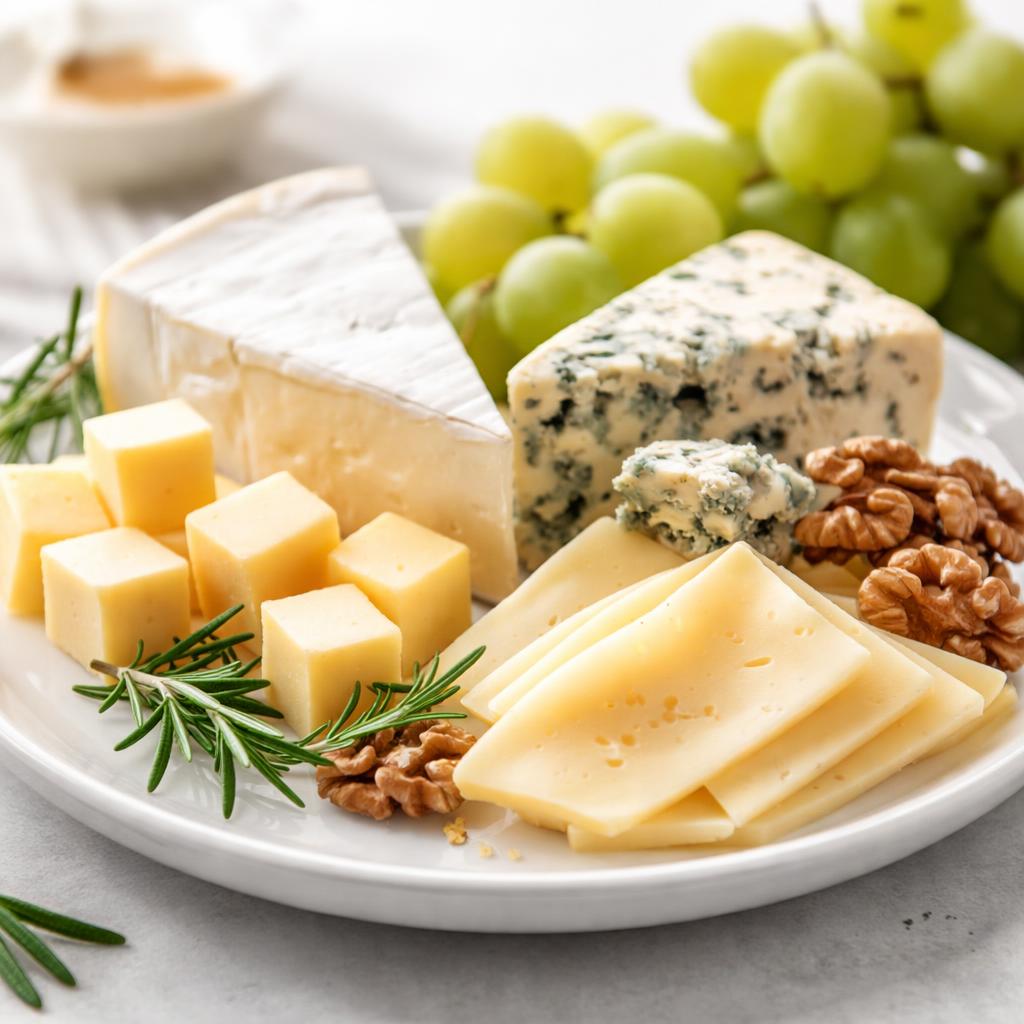
Cheese
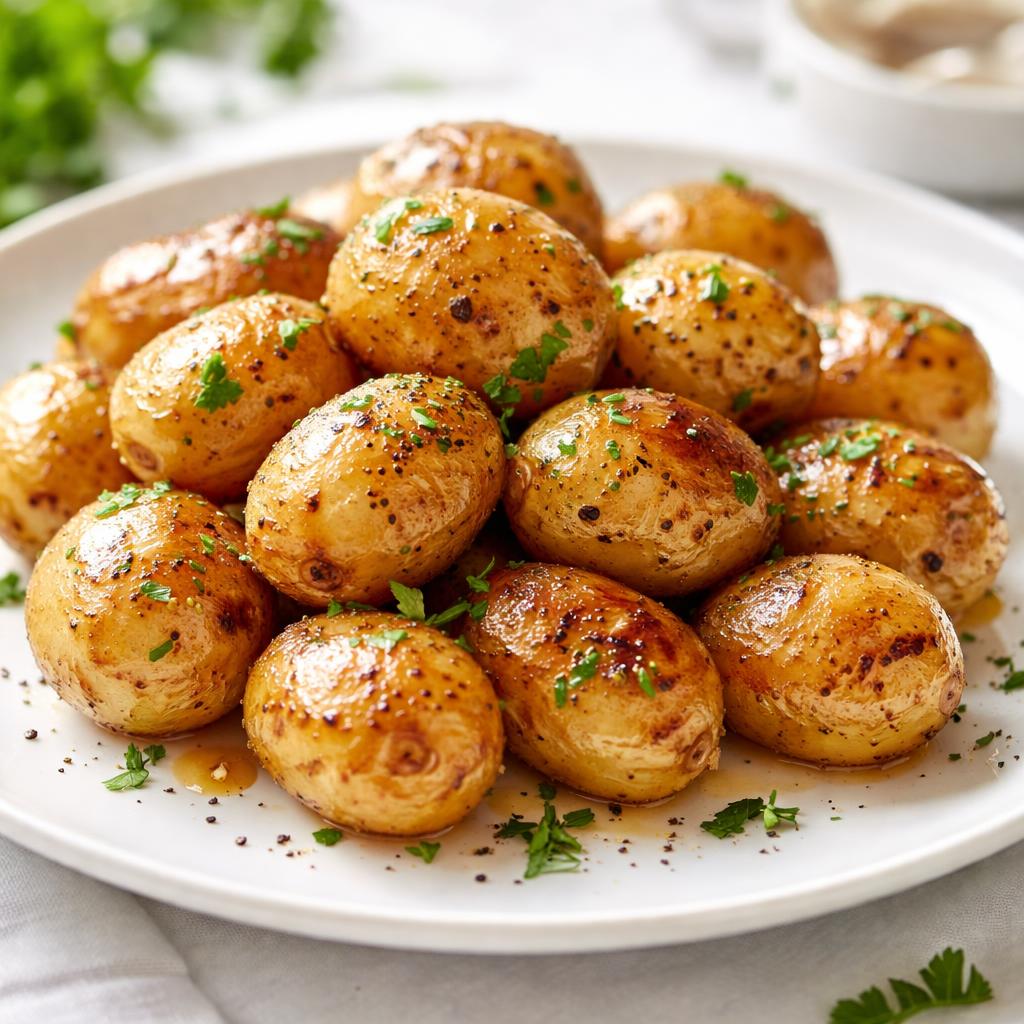
Baby Potatoes
🎯 Quick Verdict
Cheese is higher in protein and fat, making it a great option for keto diets or post-workout snacks, while baby potatoes are lower in calories and higher in fiber, ideal for low-fat or energy-sustaining diets. Cheese delivers more key nutrients like calcium and vitamin D, whereas potatoes shine with their vitamin C content and starchy carbohydrates for energy.

Smart Nutrition Tracking with SnapCalorie

📊 Nutritional Comparison
Macronutrients
| Nutrient | Food 1 | Food 2 | Winner |
|---|---|---|---|
| Calories | 120 | 77 | ✓ |
| Protein | 7g | 2g | ✓ |
| Carbs | 1g | 17g | ✓ |
| Fat | 10g | 0g | ✓ |
| Fiber | 0g | 2g | ✓ |
Vitamins & Minerals
| Nutrient | Food 1 | Food 2 | Winner |
|---|---|---|---|
| Vitamin D | 0.6mcg | 0mcg | ✓ |
| Calcium | 200mg | 10mg | ✓ |
| Iron | 0.2mg | 0.8mg | ✓ |
| Vitamin C | 0mg | 12.8mg | ✓ |
🏆 Category Winners
Protein
Cheese has over three times more protein than baby potatoes.
Fiber
Baby potatoes contain 2g of fiber compared to none in cheese.
Calories
Baby potatoes are lower in calories, with just 77 per serving compared to 120 in cheese.
Vitamins
Food1 delivers vitamin D and calcium, while food2 offers vitamin C and iron, making both beneficial in distinct ways.
🥗 Diet Compatibility
Keto
Food 1: Compatible
Food 2: Not Compatible
Cheese is low-carb and high-fat, while baby potatoes are high in carbohydrates.
Vegan
Food 1: Not Compatible
Food 2: Compatible
Cheese is an animal product, but baby potatoes are plant-based.
Gluten Free
Food 1: Compatible
Food 2: Compatible
Neither food contains gluten naturally.
Paleo
Food 1: Not Compatible
Food 2: Compatible
Cheese is not allowed on strict paleo diets, but potatoes are paleo-friendly.
Low-Carb
Food 1: Compatible
Food 2: Not Compatible
Cheese fits low-carb diets due to its minimal carbohydrate content, while potatoes are much higher in carbs.
💪 Health Benefits Comparison
Food 1 Benefits
- Rich in protein for muscle development and repair
- High calcium content for bone health
- Provides vitamin D for immune and bone support
Food 2 Benefits
- Source of vitamin C for immune health
- Contains fiber for digestive health
- Provides complex carbohydrates for sustained energy
✅ The Bottom Line
Choose cheese when seeking a protein-rich, low-carb food, especially for muscle recovery or keto diets. Opt for baby potatoes when prioritizing low-calorie energy and fiber for digestive health or vegan-friendly menus.
Choose Food 1 for: Low-carb diets, high-protein meals, calcium intake
Choose Food 2 for: Vegan diets, energy sustenance, digestive wellness


