Cheese VS Artichoke Hearts
A detailed nutritional comparison
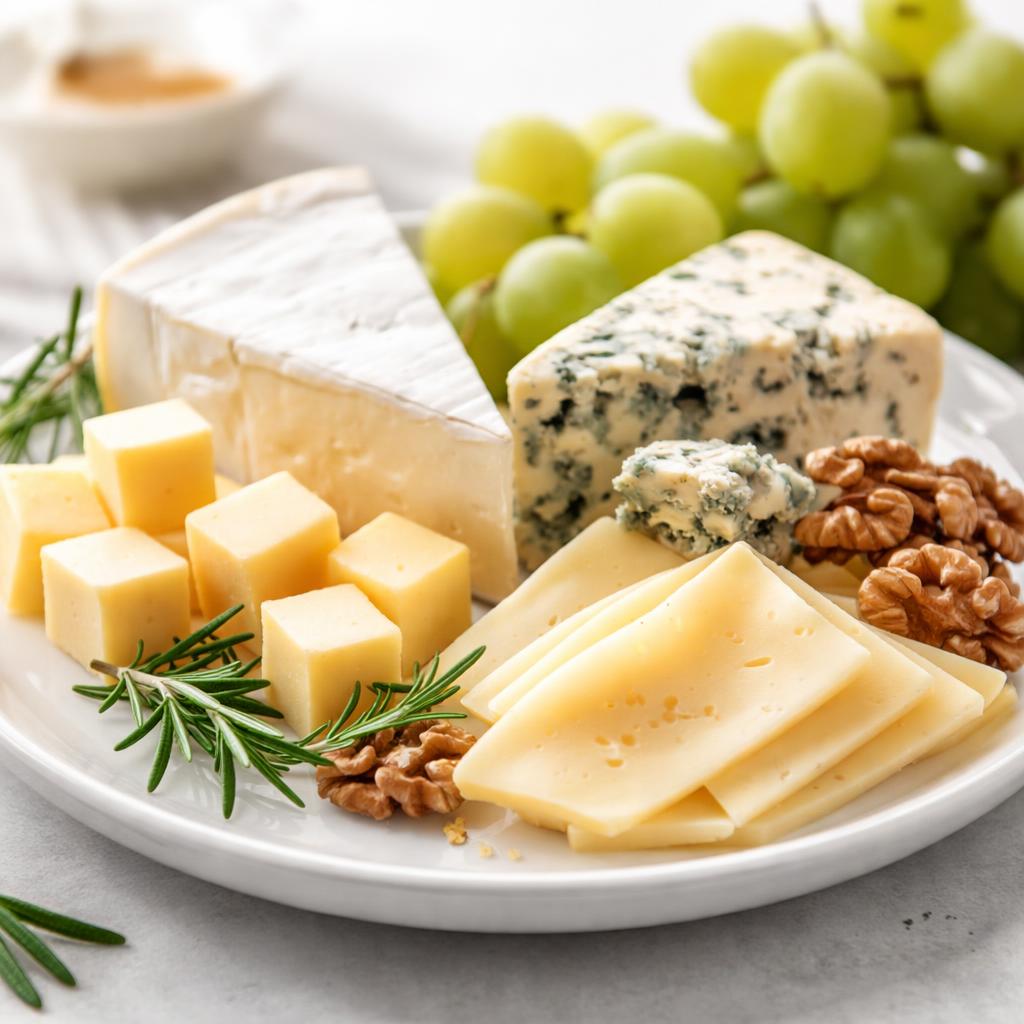
Cheese
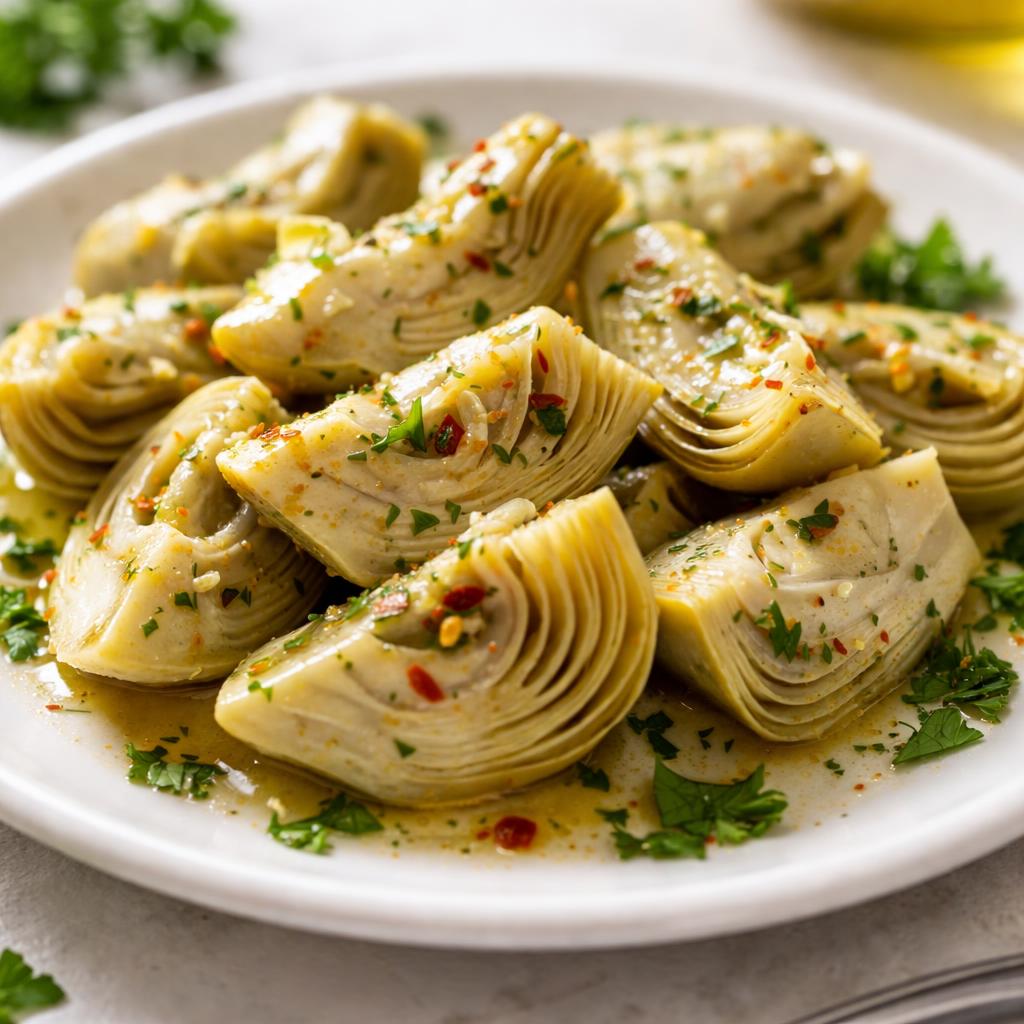
Artichoke Hearts
🎯 Quick Verdict
Cheese is a high-protein, high-fat food, making it ideal for those requiring a calorie-dense, low-carb option. In contrast, artichoke hearts are much lower in calories and fat while providing significantly more fiber, making them perfect for digestive health and weight management. The two can complement each other well depending on dietary needs and meal composition.

Smart Nutrition Tracking with SnapCalorie

📊 Nutritional Comparison
Macronutrients
| Nutrient | Food 1 | Food 2 | Winner |
|---|---|---|---|
| Calories | 113 per ounce (28g) | 25 per ½ cup (84g) | ✓ |
| Protein | 7g per ounce | 2g per ½ cup | ✓ |
| Carbs | 1g per ounce | 6g per ½ cup | ✓ |
| Fat | 9g per ounce | 0.5g per ½ cup | ✓ |
| Fiber | 0g per ounce | 5g per ½ cup | ✓ |
Vitamins & Minerals
| Nutrient | Food 1 | Food 2 | Winner |
|---|---|---|---|
| Vitamin D | 0.2mcg per ounce | 0mcg per ½ cup | ✓ |
| Calcium | 200mg per ounce | 25mg per ½ cup | ✓ |
| Iron | 0.1mg per ounce | 0.9mg per ½ cup | ✓ |
| Vitamin C | 0mg per ounce | 6mg per ½ cup | ✓ |
🏆 Category Winners
Protein
Cheese contains 3-4 times more protein per serving, supporting muscle maintenance.
Fiber
Artichoke hearts provide 5g of fiber per serving, supporting digestive health.
Calories
Artichoke hearts are much lower in calories per serving.
Vitamins
Artichoke hearts are richer in vitamin C and iron, whereas cheese provides modest amounts of vitamin D and calcium.
🥗 Diet Compatibility
Keto
Food 1: Compatible
Food 2: Limited Compatibility
Cheese is low-carb and high-fat, fitting the keto criteria. Artichoke hearts are higher-carb and may require portion control.
Vegan
Food 1: Not Compatible
Food 2: Compatible
Cheese is derived from animal milk, while artichoke hearts are plant-based.
Gluten Free
Food 1: Compatible
Food 2: Compatible
Both cheese and artichoke hearts are naturally gluten-free.
Paleo
Food 1: Limited Compatibility
Food 2: Compatible
Cheese is excluded in strict paleo diets due to dairy. Artichoke hearts align with paleo principles as a whole food.
Low-Carb
Food 1: Compatible
Food 2: Limited Compatibility
Cheese excels in low-carb diets, while artichoke hearts are moderate in carbs and may require portion adjustments.
💪 Health Benefits Comparison
Food 1 Benefits
- Rich in calcium for strong bones and teeth
- High in protein to support muscle growth and repair
- Provides vitamin D to aid calcium absorption and bone health
Food 2 Benefits
- High in fiber for digestive health and satiety
- Rich in antioxidants, including vitamin C, to fight free radicals
- Provides iron to support healthy blood and prevent anemia
✅ The Bottom Line
Choose cheese for high-protein, calorie-dense meals or ketogenic eating plans. Opt for artichoke hearts for lower-calorie, high-fiber dishes that promote digestive health and add nutrient density to plant-based or weight loss diets.
Choose Food 1 for: Keto diets, muscle-building meals, snacks needing protein
Choose Food 2 for: Weight loss, vegan diets, digestion support


