Cauliflower Rice VS Rice With Tomato Sauce
A detailed nutritional comparison
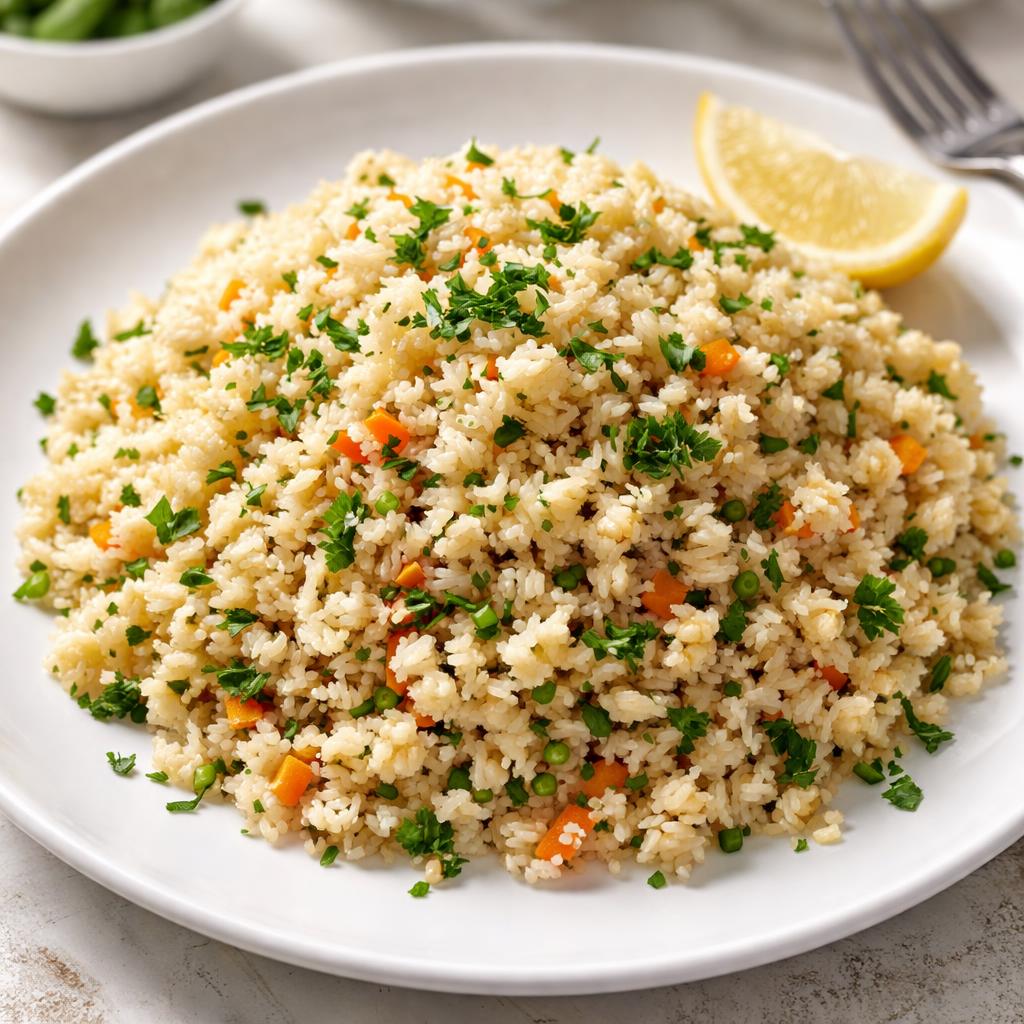
Cauliflower Rice
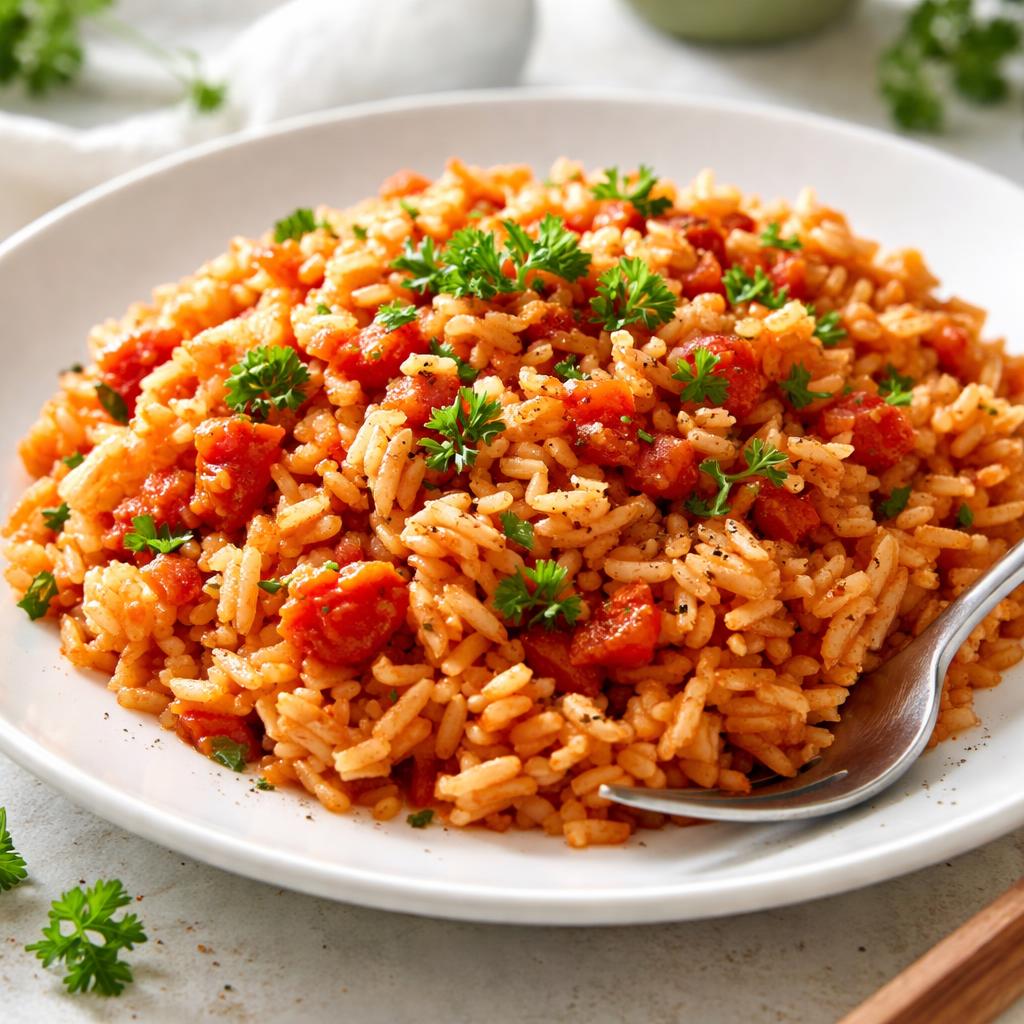
Rice With Tomato Sauce
🎯 Quick Verdict
Cauliflower rice is a low-calorie, low-carb option with higher fiber content and fewer carbs, making it ideal for weight loss or keto diets. Rice with tomato sauce provides more energy, a denser carb profile, and added micronutrients due to the tomato sauce, which makes it a better choice for sustained energy or nutrient-specific meals.

Smart Nutrition Tracking with SnapCalorie

📊 Nutritional Comparison
Macronutrients
| Nutrient | Food 1 | Food 2 | Winner |
|---|---|---|---|
| Calories | 25 | 150 | ✓ |
| Protein | 2g | 2g | − |
| Carbs | 5g | 30g | ✓ |
| Fat | 0.5g | 2g | ✓ |
| Fiber | 2g | 1g | ✓ |
Vitamins & Minerals
| Nutrient | Food 1 | Food 2 | Winner |
|---|---|---|---|
| Vitamin C | 20mg | 10mg | ✓ |
| Vitamin D | 0mcg | 0mcg | − |
| Potassium | 170mg | 120mg | ✓ |
🏆 Category Winners
Protein
Both foods provide equal amounts of protein per serving.
Fiber
Cauliflower rice offers twice the fiber content per serving than rice with tomato sauce.
Calories
Cauliflower rice contains 83% fewer calories than rice with tomato sauce.
🥗 Diet Compatibility
Keto
Food 1: Compatible
Food 2: Not Compatible
Food1 is low-carb with only 5g of carbs per serving, compared to Food2's 30g.
Vegan
Food 1: Compatible
Food 2: Compatible
Both are plant-based foods.
Gluten Free
Food 1: Compatible
Food 2: Depends on sauce
Food1 is gluten-free, while Food2 may vary depending on the tomato sauce ingredients.
Paleo
Food 1: Compatible
Food 2: Compatibility depends on sauce
Food1 is paleo-friendly, while Food2 may not be depending on sauce additives.
Low Carb
Food 1: Compatible
Food 2: Not Compatible
Food1 is low-carb, making it suitable for low-carb diets, while Food2 has a higher carb content.
💪 Health Benefits Comparison
Food 1 Benefits
- Low in calories, aiding in weight management
- High in fiber for better digestion
- Provides Vitamin C for immune support
- Good potassium levels to aid in muscle function
Food 2 Benefits
- Provides energy due to higher carb content
- Contains antioxidants from tomato sauce
- Offers potassium for cardiovascular health
- Good source of nutrients like lycopene from tomatoes
✅ The Bottom Line
Cauliflower rice is the better choice for low-carb, low-calorie diets, particularly for weight management and digestion. Rice with tomato sauce is ideal for those seeking a more energy-dense and nutrient-rich meal with added antioxidants and carbohydrates.
Choose Food 1 for: Weight loss, keto or low-carb diets, light meals
Choose Food 2 for: Energy-dense meals, athletes needing sustained energy, nutrient-rich diets


