Cauliflower Rice VS Beef Rice Bowl
A detailed nutritional comparison
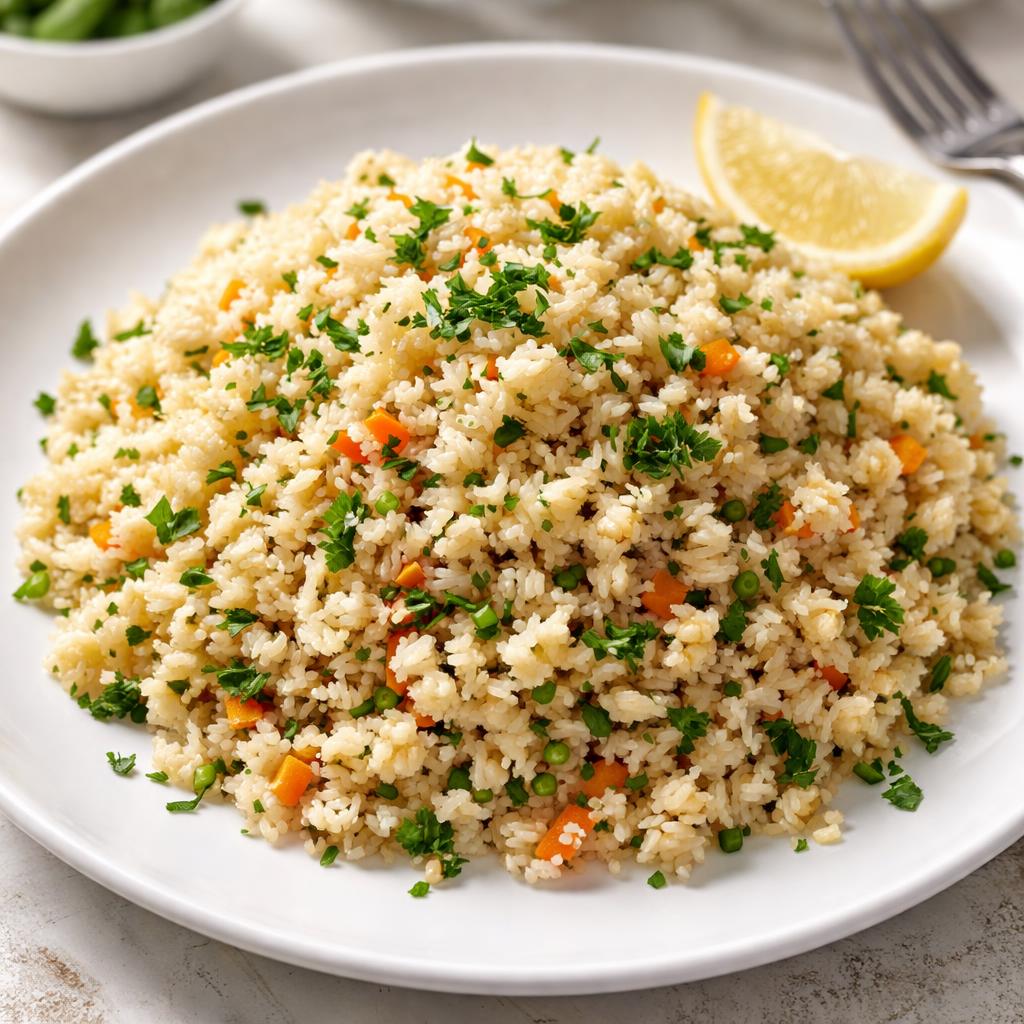
Cauliflower Rice
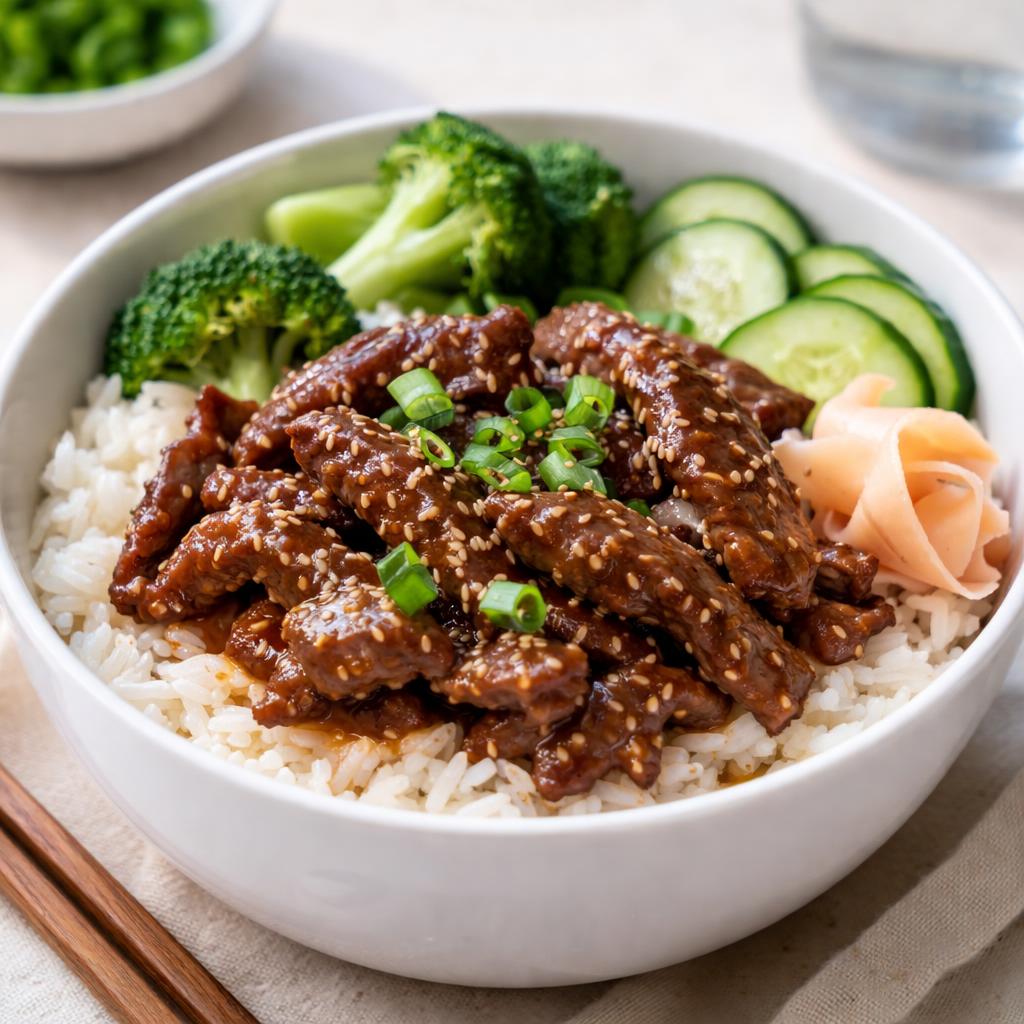
Beef Rice Bowl
🎯 Quick Verdict
Cauliflower rice is an excellent low-calorie, low-carb option with higher fiber, while a beef rice bowl provides significantly more protein and overall calories, making it ideal for those seeking energy and muscle growth. Each food excels in different dietary applications depending on needs such as weight management versus active lifestyles.

Smart Nutrition Tracking with SnapCalorie

📊 Nutritional Comparison
Macronutrients
| Nutrient | Food 1 | Food 2 | Winner |
|---|---|---|---|
| Calories | 25 | 450 | ✓ |
| Protein | 2g | 30g | ✓ |
| Carbs | 5g | 50g | ✓ |
| Fat | 0g | 15g | ✓ |
| Fiber | 3g | 2g | ✓ |
Vitamins & Minerals
| Nutrient | Food 1 | Food 2 | Winner |
|---|---|---|---|
| Vitamin C | 50mg | 3mg | ✓ |
| Vitamin B12 | 0mcg | 2.4mcg | ✓ |
| Iron | 0.5mg | 3mg | ✓ |
| Calcium | 22mg | 50mg | ✓ |
🏆 Category Winners
Protein
Beef rice bowl has 15 times more protein than cauliflower rice.
Fiber
Cauliflower rice provides 50% more fiber per serving.
Calories
Cauliflower rice has approximately 95% fewer calories than the beef rice bowl.
Vitamins
Food1 excels in Vitamin C, while Food2 provides Vitamin B12 and Iron.
🥗 Diet Compatibility
Keto
Food 1: Compatible
Food 2: Compatible
Both foods are low in carbs, though food2 has slightly higher carb content due to rice.
Vegan
Food 1: Compatible
Food 2: Not Compatible
Cauliflower rice is plant-based, whereas beef rice bowl includes animal products.
Gluten Free
Food 1: Compatible
Food 2: Compatible
Neither food typically contains gluten, making them suitable for gluten-free diets.
Paleo
Food 1: Compatible
Food 2: Compatible with modifications
Cauliflower rice is paleo-compatible, while some rice bowls may need substitutions.
Low-Carb
Food 1: Compatible
Food 2: Moderately Compatible
Cauliflower rice is very low-carb, whereas food2 contains moderate carbs from rice.
💪 Health Benefits Comparison
Food 1 Benefits
- Low in calories, supporting weight management
- High in fiber for improved digestion
- Rich in Vitamin C for immune health
- Low-carb option for ketogenic diets
Food 2 Benefits
- High in protein for muscle building and repair
- Provides Iron for energy and oxygen transport
- Source of Vitamin B12 for nerve health and energy
- Includes healthy fats for sustained energy
✅ The Bottom Line
Choose cauliflower rice for low-calorie, plant-based, high-fiber meals, particularly for weight loss and keto approaches. Opt for beef rice bowls if you need high protein, Iron, and calories for muscle growth, energy, or active lifestyles.
Choose Food 1 for: Weight loss, vegan diets, low-carb, keto
Choose Food 2 for: High-protein diets, post-workout recovery, active lifestyles


